2022
Jun
19
Migraine mechanisms, causes, prevention and care: headache support at HITOYASUMI dry head spa

During rainy seasons or seasonal changes, more people experience migraine: throbbing pain that affects concentration at work or home, or sensitivity to light and sound that disrupts daily life. Stress, insufficient sleep, atmospheric pressure and other factors can combine to trigger these headaches.
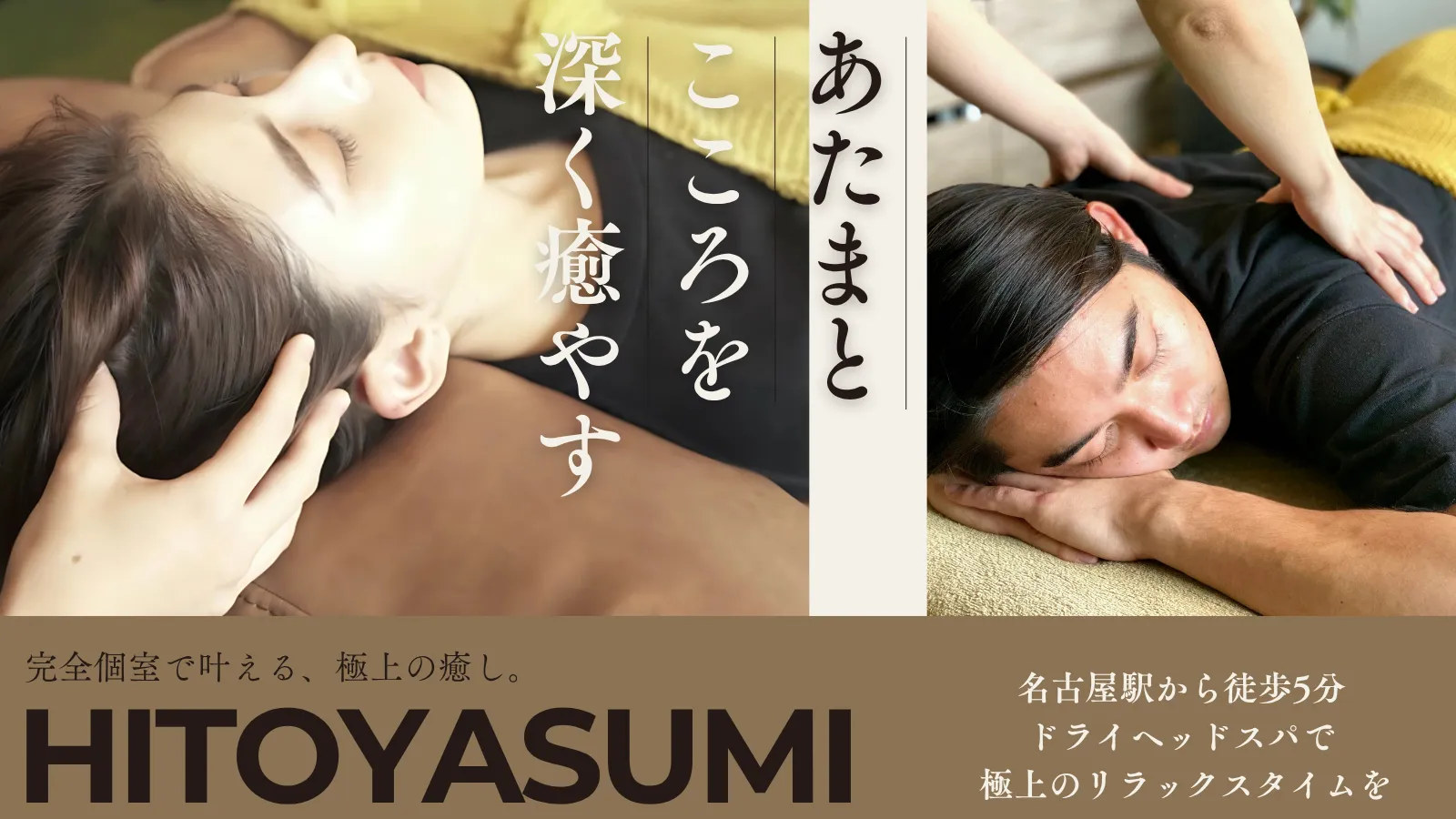
Near Nagoya Station, “HITOYASUMI Dry Head Spa & Body Care” welcomes many guests troubled by migraine. Careful head, neck and shoulder treatments encourage relaxation and support relief for accumulated stress and discomfort.
Here we explain migraine mechanisms, main causes, characteristic symptoms and practical approaches. We also introduce ways relaxation treatments such as dry head spa may support migraine care. Read on for ideas to make daily life more comfortable.
What is migraine? Its basic mechanism
Migraine is a headache with strong pulsating pain on one or both sides of the head. It may last hours or days and substantially disrupt daily life. The pain is thought to involve widening brain blood vessels stimulating the trigeminal nerve.
Its underlying causes are not yet fully understood. Several factors are thought to combine, widening vessels and releasing neurotransmitters that increase sensitivity to pain.
Migraine versus tension and cluster headaches
Major headache types include migraine, tension headache and cluster headache.
- Migraine: pulsating pain, sensitivity to light or sound, often nausea or vomiting; triggers include pressure changes, hormones and stress.
- Tension headache: steady, squeezing pain around the whole head, associated with tight shoulders or neck, eye fatigue and poor desk-work posture.
- Cluster headache: severe stabbing pain behind an eye, occurring in concentrated periods; intense attacks can repeat in a short time and be more painful than migraine.
Migraine is particularly sensitive to weather, hormonal changes and sensory stimuli such as light, sound and smells. Recognizing those triggers helps guide responses.
Why migraine occurs: main triggers
Triggers vary by person. Several may combine to dilate vessels and bring pain, so understanding your routines and condition is the first step.
(1) Pressure changes and weather
Rainy and typhoon seasons bring large pressure changes. Falling pressure can encourage vessel dilation and increase headache risk in people with migraine.
In areas with distinct seasons such as Nagoya, complaints often increase during the rainy season and seasonal transitions.
(2) Stress and the release of stress
Tension at work or home, long desk-work hours and relationship difficulties can contribute. Some experience attacks on weekends or holidays when stress eases, thought to involve rebound vessel dilation after prolonged tension.
(3) Too little or too much sleep
Insufficient or irregular sleep interferes with brain recovery and autonomic balance. Sleeping much longer on days off can also disrupt rhythms and trigger migraine. Regular sleep matters.
(4) Hormonal changes
Changes in estrogen are associated with migraine. Women in their twenties to forties may be especially affected by menstrual-cycle fluctuations, with frequent attacks around menstruation.
(5) Hunger and caffeine withdrawal
Prolonged hunger lowers blood glucose and can trigger headache. Abruptly stopping habitual caffeine can also temporarily widen vessels and trigger migraine.
(6) Light, sound, smells and other sensory stimuli
Bright light, loud sounds and strong smells can stimulate a sensitive trigeminal nerve and worsen migraine. Fluorescent lights, bright monitors, noise, perfume and detergent scents can be triggers.
Typical symptoms and effects on daily life
Migraine may bring the following symptoms.
- Pulsating, throbbing pain: one- or two-sided pain synchronized with the pulse, often worse with movement.
- Sensitivity to light, sound and smell: needing a dark, quiet room; pain away from home can be especially disruptive.
- Nausea or vomiting: appetite loss and stomach discomfort, sometimes progressing to vomiting.
These symptoms can make work, housework and childcare difficult, greatly lowering quality of life. Sudden pain interrupts plans, and chronic symptoms add emotional stress.
Are you prone to migraine? Common tendencies
Some tendencies are seen among people prone to migraine.
- Perfectionist, hardworking or sensitive personality: people who put themselves under stress seeking perfection may be more prone.
- Women in their twenties to forties: substantial hormonal changes overlap with higher migraine risk.
- Desk workers and IT professionals: prolonged computer work combines light exposure, shoulder tension and eye strain, increasing headache risk.
If you think you are prone to migraine, review routines and include prevention and coping approaches.
Prevention: routines and environment
Reducing triggers and supporting physical balance are the basis of prevention.
(1) A regular sleep rhythm
Consistent, quality sleep supports autonomic balance and can reduce frequency. Limit phone use before bed and relax with bathing or stretching.
(2) Moderate exercise and circulation
Regular light aerobic activity such as walking, gentle jogging or yoga supports circulation and autonomic balance. Too much can backfire, so continue within comfortable limits.
(3) Stress management and relaxation
Release stress regularly through deep breathing between work, hobbies or massage and dry head spa, rather than allowing it to accumulate.
(4) Food and hydration
Balanced meals and enough water support circulation and hormonal balance. Regular eating and drinking that avoid hunger and dehydration can reduce risk.
(5) Reduce sensory stimulation
Try warmer lighting, adjusted screen brightness, earplugs or an eye mask to reduce triggers in your environment.
During an attack: practical responses
Migraine can happen despite prevention. In that case, try the following.
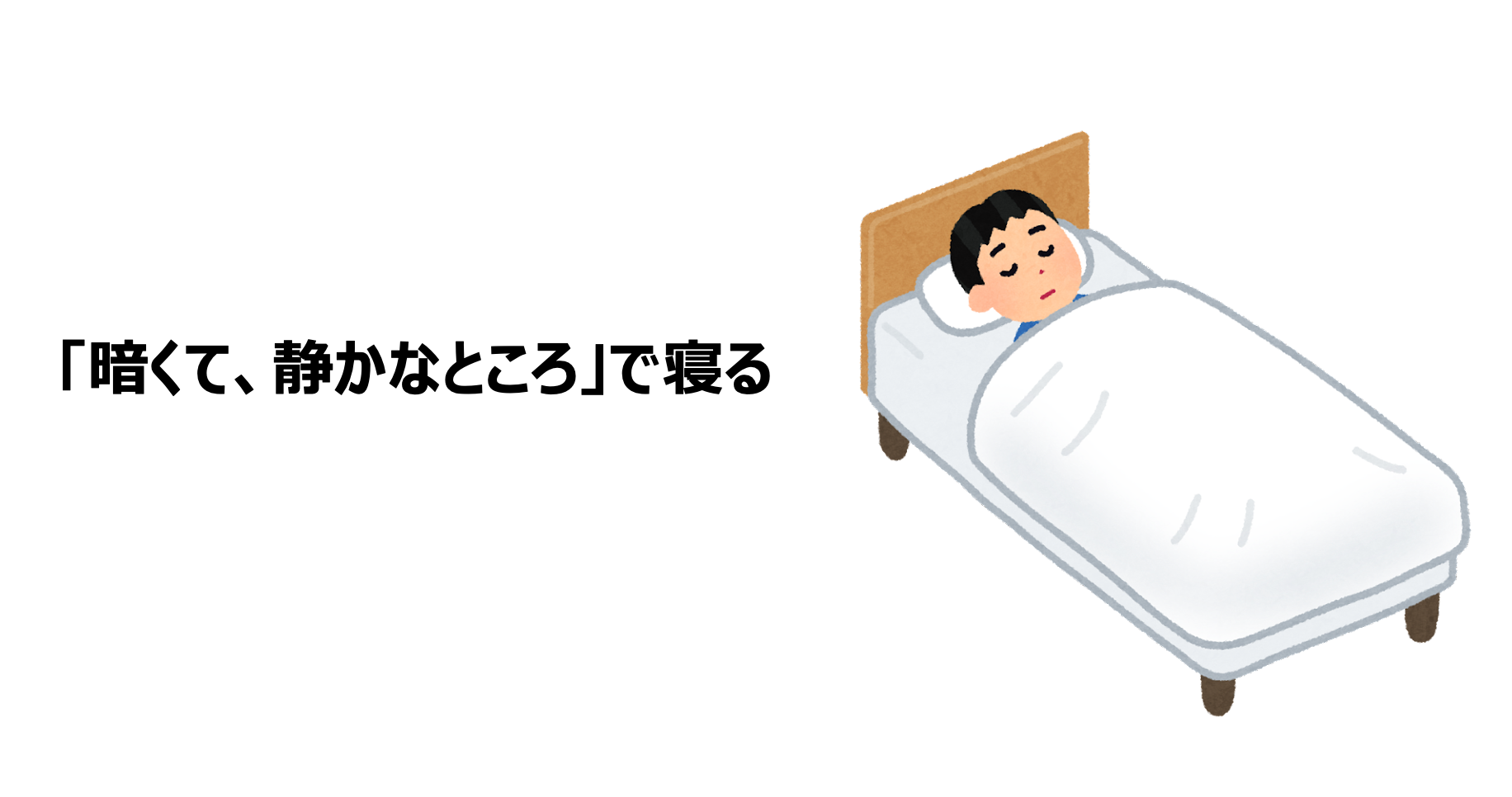
(1) Rest somewhere dark and quiet
Reduce stimulation first. Dim the room, block noise and lie down to limit worsening pain. A short sleep may help if time allows.
(2) Vessel-constricting approaches: cooling, caffeine and pain relief
Vessel dilation is considered one factor in migraine, so constricting widened vessels can help.
- Cooling: wrap a cold pack in a towel and apply to the head or neck for about 5–10 minutes to encourage vessel constriction.
- Caffeine: moderate coffee or tea can encourage vessel constriction, but excessive or habitual high intake may backfire.
- Over-the-counter pain medicine: if coffee does not help, an appropriate dose is another option. Avoid overuse and follow the instructions.
(3) Specialist care: HITOYASUMI dry head spa
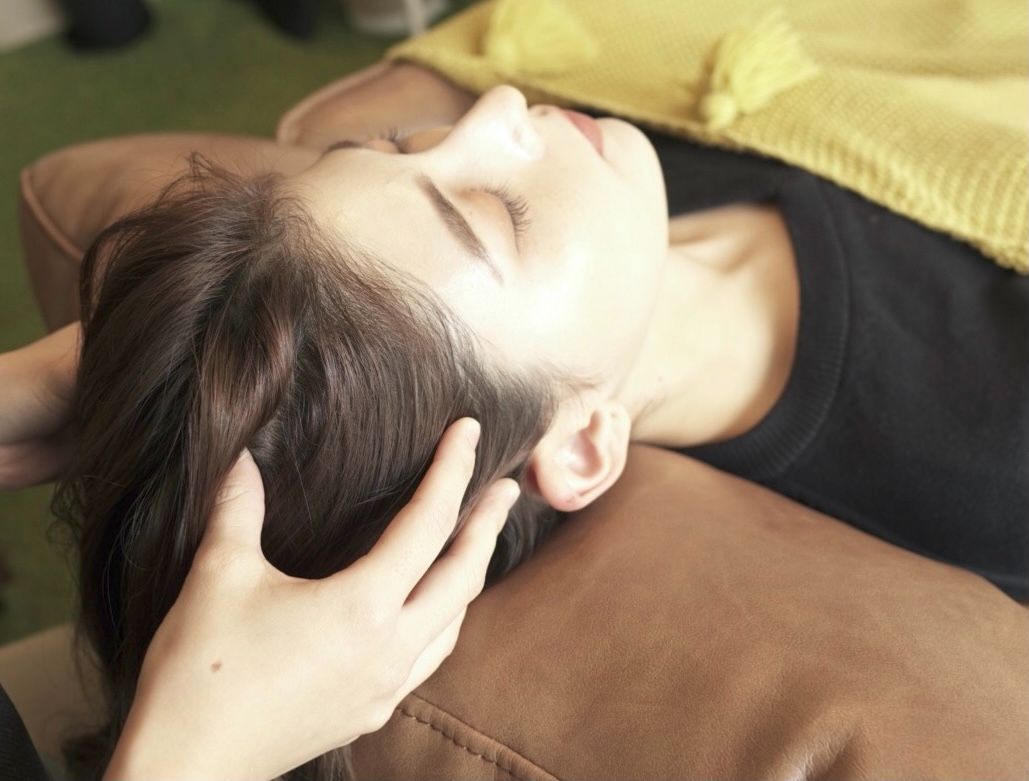
When stress, fatigue or too little sleep are involved, specialist relaxation treatment can help. At “HITOYASUMI Dry Head Spa”, careful head, neck, shoulder and back massage encourages circulation and deep relaxation. Consider professional care for persistent tension or stress.
Why HITOYASUMI’s care can support migraine management
HITOYASUMI is conveniently located near Nagoya Station, welcoming busy professionals, people tired from housework and those under stress.
Reasons include the following.
(1) Head, neck and shoulder care for circulation
Neck and shoulder tension can contribute to headaches, not only migraine. Tight muscles impair circulation and can irritate nerves. HITOYASUMI loosens the scalp, neck and shoulders to improve blood flow, potentially reducing pain and recurrence.
(2) Deep relaxation for autonomic balance
Comfortable stimulation encourages parasympathetic activity and releases tension. It can support stress-related hormonal and autonomic balance involved in migraine.
(3) Support for stress, eye strain and sleep
Eye strain from devices, long-working-hours stress and chronic sleep loss all increase migraine risk. Dry head spa can ease eye fatigue and relax mind and body, supporting good sleep and, over time, lower attack frequency and intensity.
HITOYASUMI Dry Head Spa near Nagoya Station | Book here
Book online at the URL below.
Click to open the booking site.
Conclusion: complete care matters
Migraine is a complex condition involving intertwined factors such as atmospheric pressure, hormonal balance, stress and insufficient sleep. Addressing it at its root requires a comprehensive approach, including reviewing daily habits, managing stress and controlling sensory stimulation.
During an attack, dark quiet rest, cooling, caffeine or suitable nonprescription medicine can help. Specialist relaxation such as dry head spa may also support neck and shoulder tension and autonomic balance that contribute to headaches.
HITOYASUMI near Nagoya Station tailors care to each guest’s condition and lifestyle, supporting those with migraine or chronic headaches. Combine regular maintenance and daily care for more comfortable days.
Avoid accumulating stress and discomfort. Regular self-care with professional care can support fewer attacks and healthier, pain-free living. Take a break at HITOYASUMI and refresh mind and body.