2023
May
28
Stress relief and autonomic balance: five approaches and HITOYASUMI dry head spa near Nagoya Station

Modern life brings stress at work, at home and at school. Desk work, smartphone use, too little sleep and too little exercise can combine to upset autonomic balance, with possible symptoms including headaches, dizziness, fatigue, insomnia, tight shoulders, neck pain, constipation, diarrhea and digestive discomfort.
This article introduces five stress-relief approaches for autonomic balance, their causes and improvement points, and HITOYASUMI in Nagoya, where sleep, music, nature and massage come together. Learn practical ideas for healthier, more comfortable days.
What is the autonomic nervous system, and what upsets it?
The basics
The autonomic nervous system automatically controls functions such as the heart, digestion, breathing and metabolism without conscious effort. Its main branches are sympathetic and parasympathetic: the former tends to dominate during daytime activity, the latter at night and during rest. Their balance supports physical and mental health.
Causes of autonomic imbalance
- Chronic stress
Work, relationships, housework and parenting can all contribute.
- Too little sleep or irregular routines
Late nights and inconsistent bedtimes or waking times limit parasympathetic recovery.
- Too little exercise
Desk-based lifestyles reduce movement. Muscle tension and poor circulation can increase stress and disrupt balance.
- Prolonged use of digital devices
Blue light from phones and computers keeps the brain alert and can interfere with sleep at night.
- An unbalanced diet
Poor nutritional balance and excessive caffeine or alcohol can also contribute.
Five stress-relief approaches for autonomic balance
The following approaches are easy to begin and incorporate into everyday life, and are considered useful for maintaining and improving health.
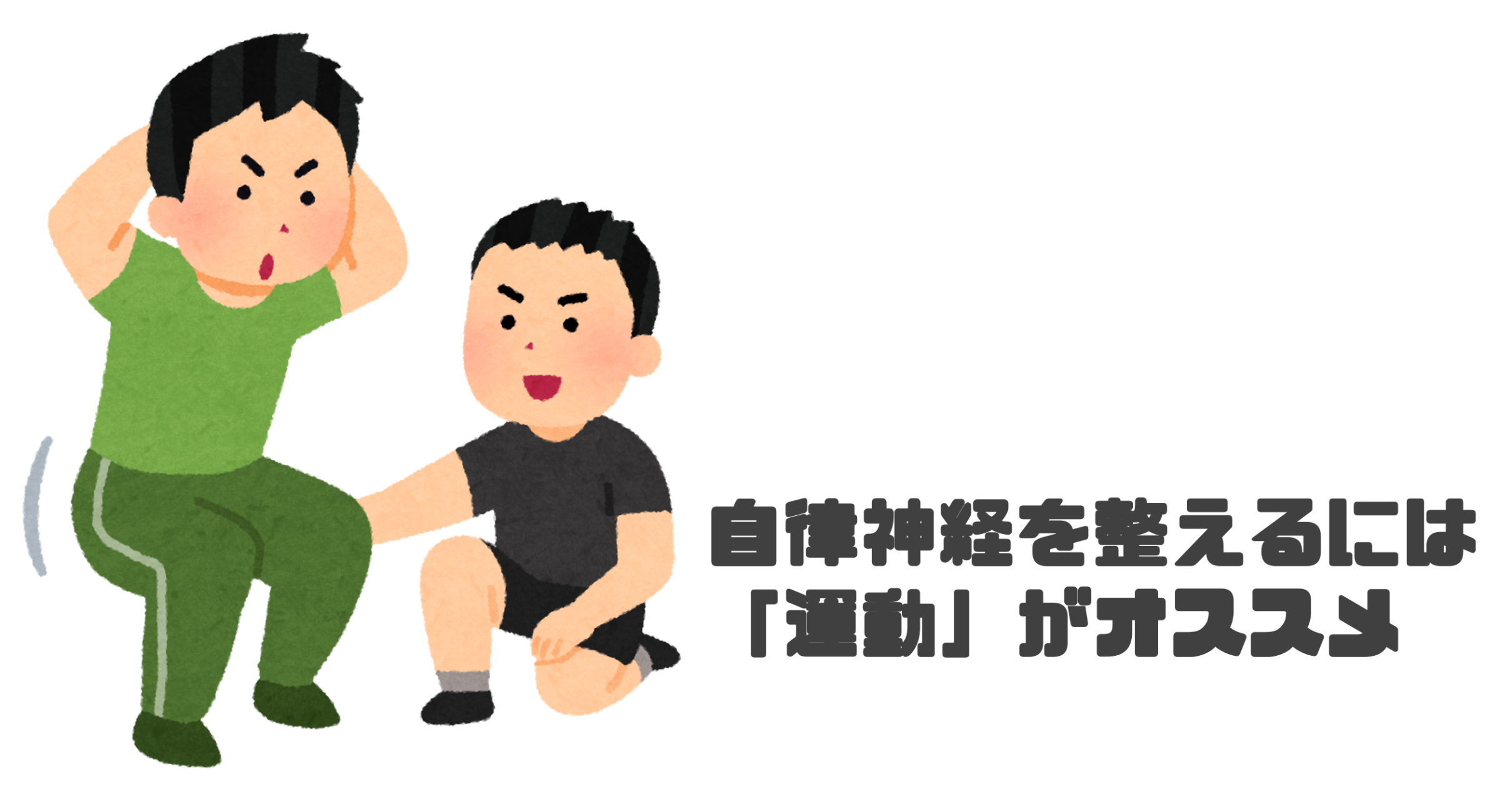
Moderate exercise
Benefits of exercise
- Balance sympathetic and parasympathetic activity.
- Stress relief.
- Better sleep quality.
- Support for immunity.
- Preventing obesity and reducing lifestyle-disease risk.
Movement temporarily activates sympathetic activity, followed by parasympathetic activity after exercise, helping overall balance. Exercise also suppresses cortisol and refreshes mind and body. Consider aerobic activities such as walking, jogging or swimming alongside strength training.
Exercise precautions
- Do not overdo it: match your routine to your fitness level.
- Remember hydration: drink regularly even before sweating to prevent dehydration.
- Use correct form: pay attention to technique and posture to avoid injury.
Enough sleep
Sleep and the autonomic nervous system
Sleep is an important period of parasympathetic activity, rest and recovery for body and brain. Enough sleep calms daytime sympathetic activation and supports balance.
Suggested sleep duration
- Adult men: 7–8 hours.
- Adult women: 7–9 hours.
Needs vary, but chronic sleep loss is a major factor in imbalance, so first aim for at least seven hours.
Tips for quality sleep
- A regular daily rhythm
Try to go to bed and wake at the same time each day.
- A relaxing bedroom
Keep it dark and quiet, and limit caffeine and alcohol before bed.
- Reduce device use
Avoid blue light from phones or computers for 30–60 minutes before bed to protect sleep quality.
Listen to music
The soothing effects of music
Favorite or relaxing music can settle heart rate and blood pressure and support autonomic balance. Its relaxation effects also reduce stress hormones and may help brain-fatigue recovery.
- Classical or soothing music: a gentle tempo encourages parasympathetic activity and stress relief.
- Nature sounds: streams and birdsong can add to relaxation.
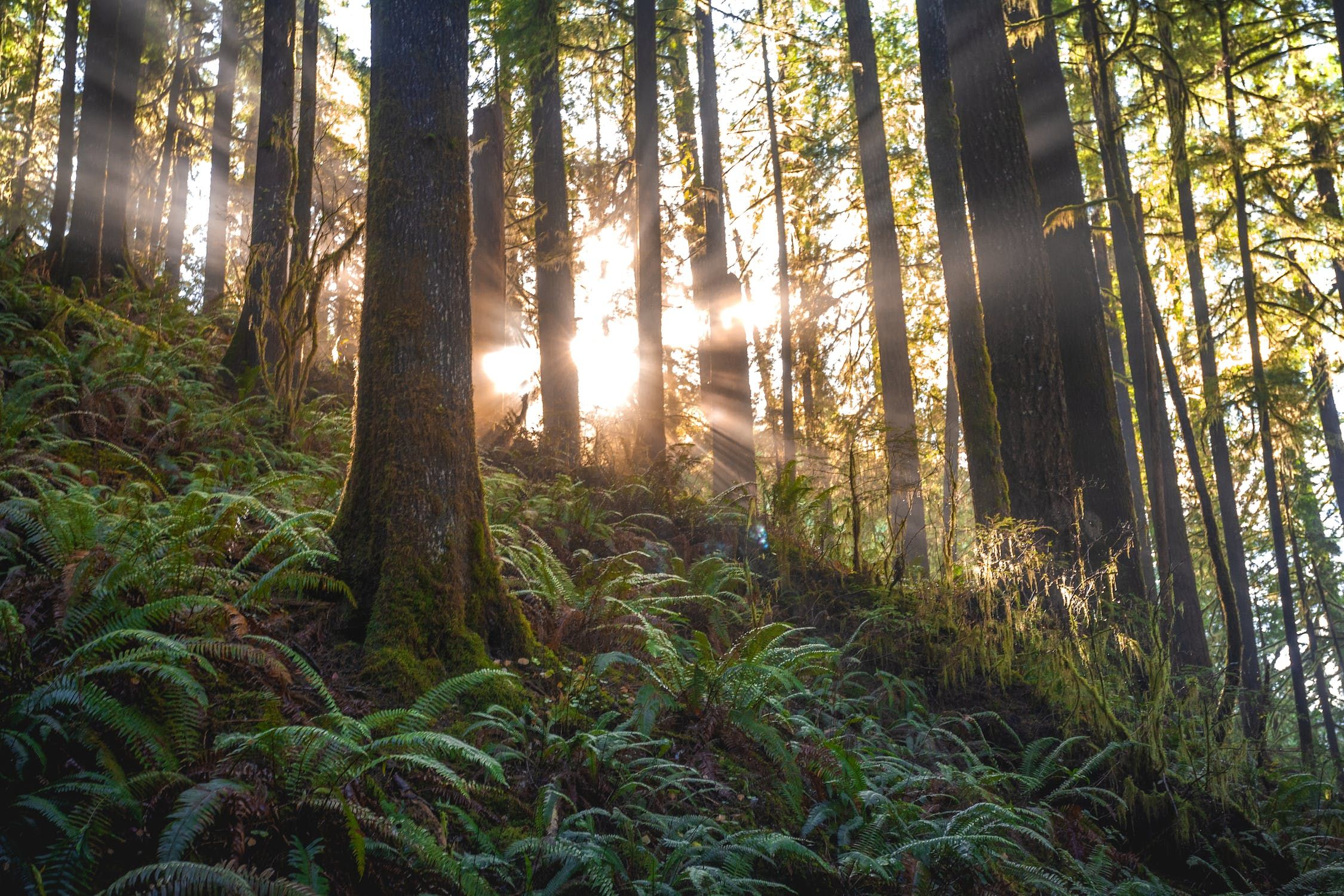
Enjoy nature
Benefits for mind and body
Forest bathing or seaside walks can lower blood pressure, heart rate and stress hormones. Natural light, fresh air, birdsong and waves stimulate the senses and may support parasympathetic activity and autonomic balance.
- Forest bathing: refresh amid the greenery of trees.
- Seaside walks: waves encourage relaxation and a calmer mind.
- Light exercise in a park: walk or stretch while enjoying nature.
Include massage
Benefits of massage
- Release muscle tension.
- Improved circulation.
- Reduced stress hormones.
- Relaxation through serotonin and dopamine release.
Loosening the body and improving circulation can ease headaches, neck and shoulder stiffness, and eye fatigue, supporting autonomic balance. Hands-on treatments also encourage parasympathetic activity and deep relaxation, helping brain-fatigue recovery.
An urban oasis combining music, nature, massage and sleep: HITOYASUMI
What is HITOYASUMI Dry Head Spa?
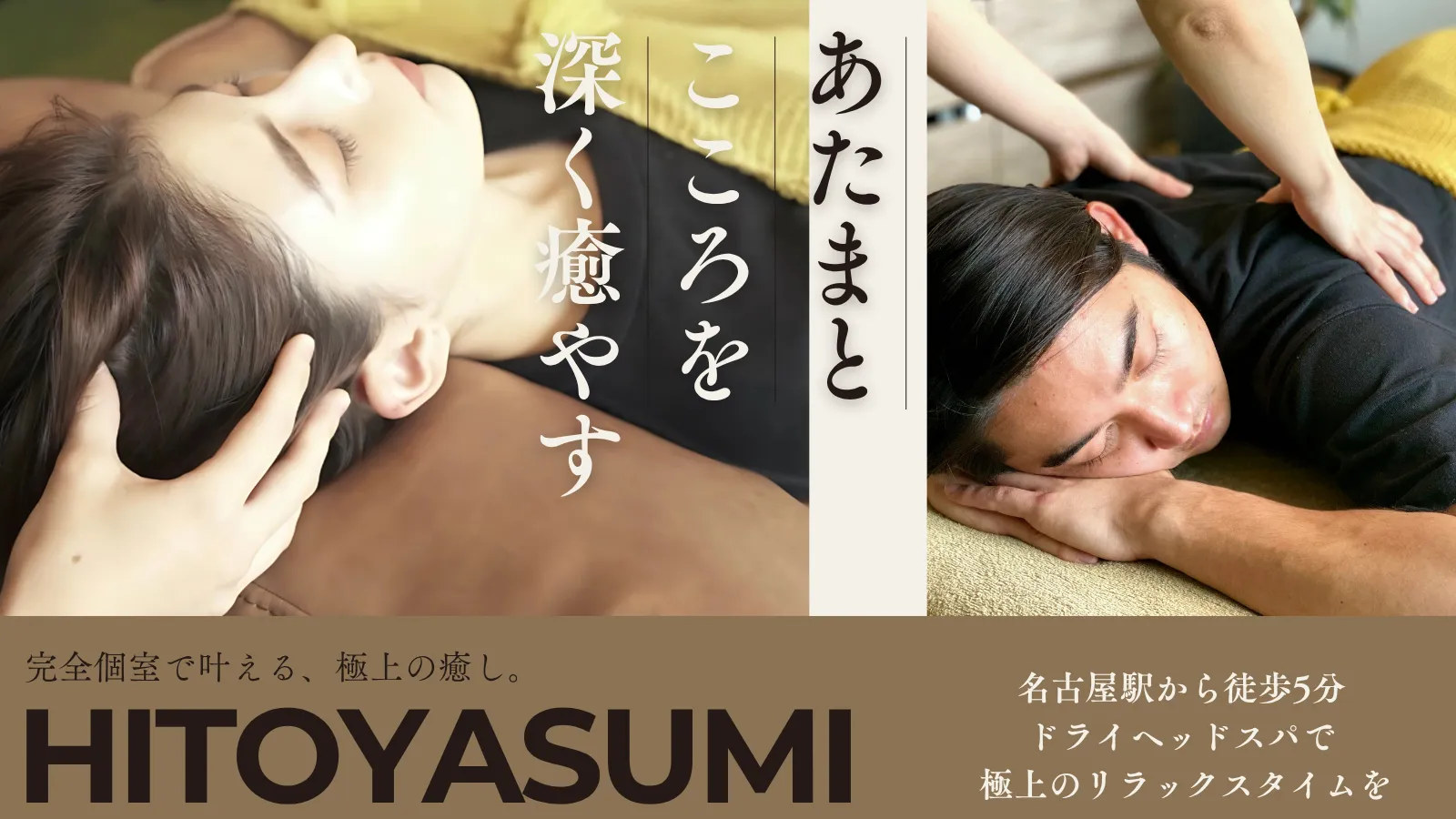
Five minutes from Nagoya Station, HITOYASUMI is a head-relaxation salon focused on stress care and brain-fatigue recovery. Guests value it as an urban oasis where sleep, music, nature and massage come together.
Concept: a space of natural fluctuations
HITOYASUMI carefully considers light, temperature, scent and sound to create a sensory space of gentle fluctuations. Designed to feel like nature, it guides guests into deep relaxation.
Sleep: a dry head spa that invites you to drift off
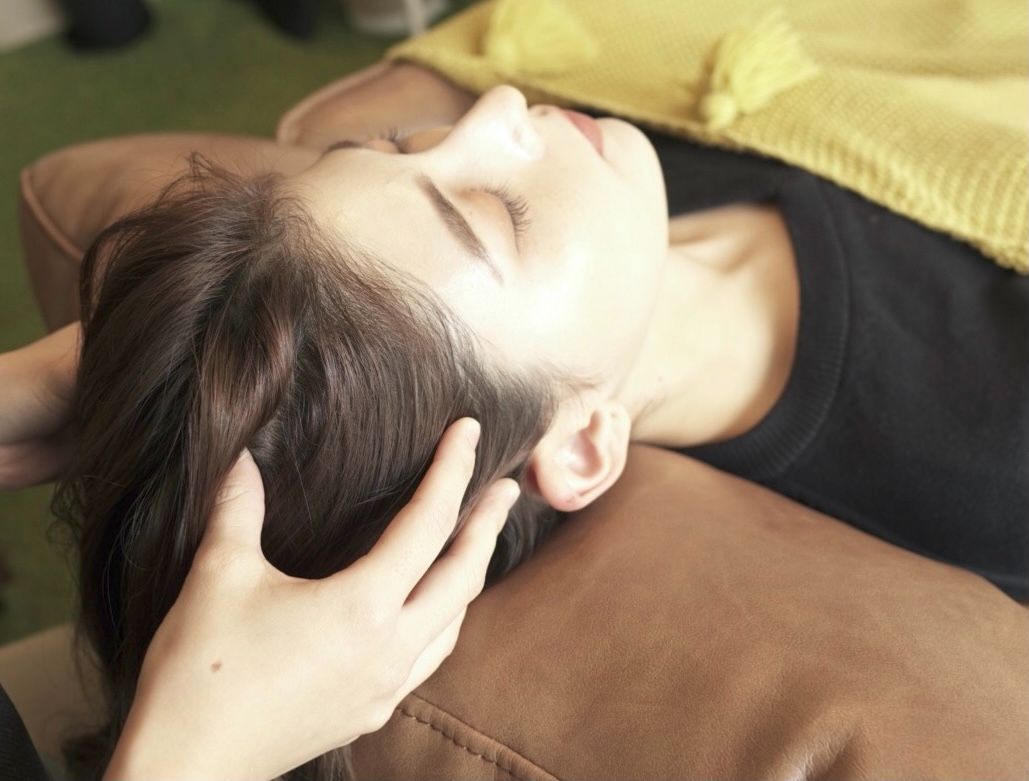
Hands gently stimulate the head, neck and shoulders. Careful circulation support and muscle release encourage parasympathetic activity, and many guests fall asleep. That sense of drifting into deep rest offers a break from sleep loss and stress.
Music: nature sounds and soothing melodies
Birdsong and other natural sounds or soothing music accompany treatment, offering calm like forest bathing. Encouraging parasympathetic activity and reducing stress hormones can leave your head feeling clearer and lighter.
Nature: abundant greenery inside
Plants arranged around roughly two-thirds of the interior provide visual comfort. Lively greenery is said to release negative ions, creating an inviting sense of deep breathing and nature in the city.
Massage: deeply soothing hands-on treatments
Dry head spa is combined with neck, shoulder and back release to encourage circulation. Targeted scalp and muscle care supports neurotransmitters such as serotonin and dopamine, making relaxation and a sense of wellbeing easier to feel.
Conclusion: autonomic balance for healthier living
A varied approach—stress management, exercise, sleep, music, nature and massage—matters for autonomic balance. Incorporating these into daily habits can reduce stress and support balance between the two autonomic branches.
- Make moderate exercise a habit.
- Allow enough good-quality sleep.
- Settle the mind through music and nature.
- Use massage and other relaxation care.
At HITOYASUMI Dry Head Spa near Nagoya Station, these elements can be experienced together, making care convenient for busy people. Visit for a treat or when you feel fatigue building up.
HITOYASUMI Dry Head Spa near Nagoya Station | Book here
Online reservations are accepted through Hot Pepper Beauty and Rakuten Beauty.
Click to open the booking site.