2023
Dec
21
What is good-quality sleep? Finding the deep rest busy people often overlook

Have you been struggling to fall asleep, waking up still tired, or repeatedly waking during the night?
Modern life is full of stimulation from work, study and devices such as smartphones, making it easy to slip into habitual sleep deprivation and irregular sleep patterns without noticing.
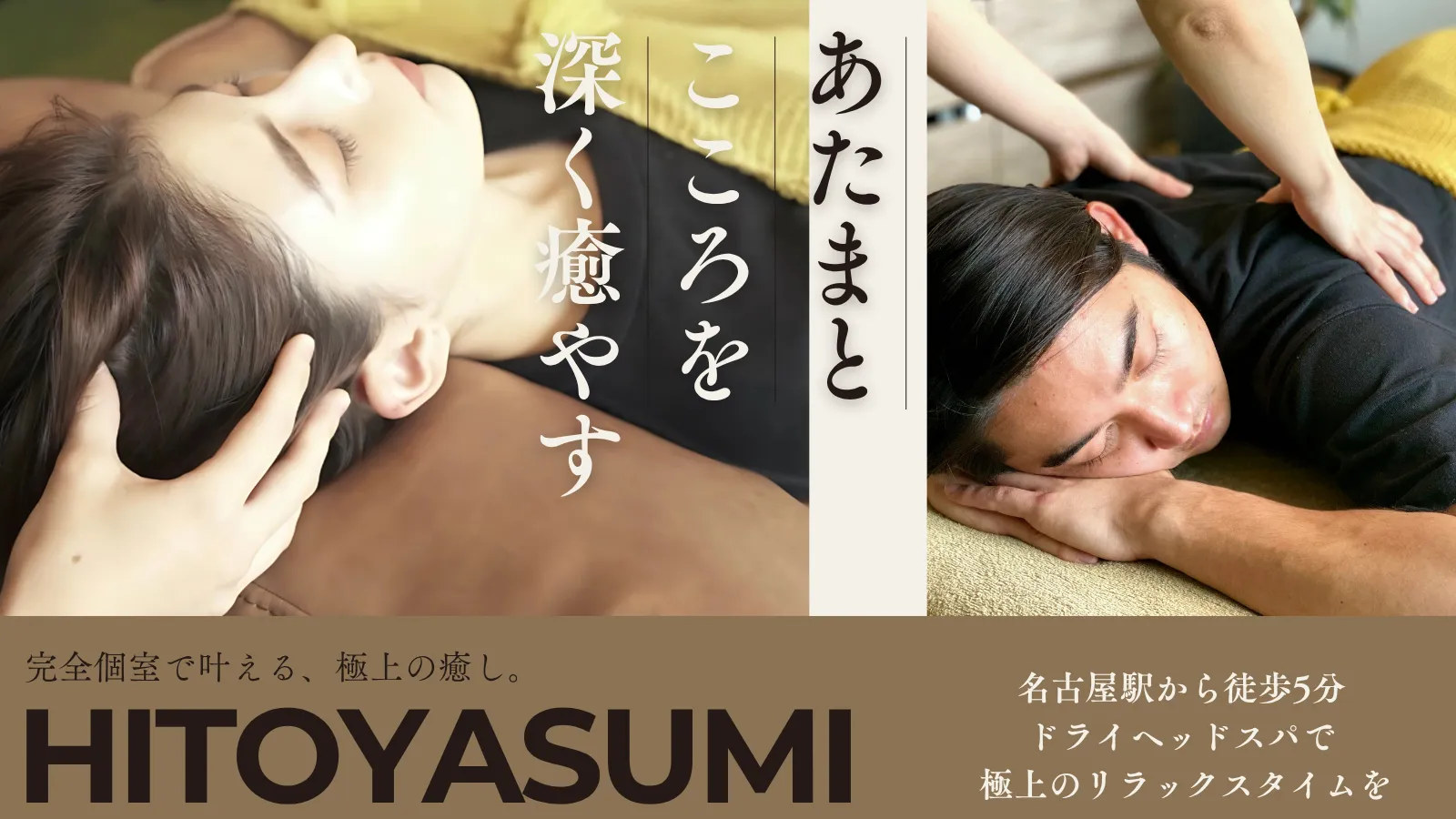
At the relaxation salon HITOYASUMI Dry Head Spa & Body Care near Nagoya Station, we welcome many guests with these sleep concerns. After treatment, we often hear comments such as “my head feels clearer” and “I can sleep soundly now.”
This article explains what good-quality sleep means and the changes that can help you achieve it. We also explore how a dry head spa can contribute to better sleep. Read on as a starting point for reviewing your own sleeping environment.
Start by checking your sleep debt
To address sleep concerns, first understand how much sleep debt you may have accumulated. Information from Japan's Ministry of Health, Labour and Welfare and various studies shows that repeated daily sleep shortages significantly affect health and everyday life. Use the following checklist to put a number on your sleep debt.
Add up the points for every item that applies.
- You sleep at least two hours longer on days off than on workdays: 3 points
- You doze off on trains or the sofa: 1 point
- You fall asleep as soon as you get into bed: 1 point
- Waking up is difficult and you do not feel refreshed: 1 point
- You feel sleepy during the morning: 1 point
- You cannot wake up without an alarm: 1 point
- Your bedtime varies on three or more days each week: 1 point
What is your total? Check the results below.
- 0 points: ideal
Your sleep rhythm is regular and you recover well from fatigue. Aim to maintain it. - 1 point or more: at risk
You are generally close to an ideal pattern, but busy periods or stress may reduce your sleep quality. Taking action early can help. - 3 points or more: a strong possibility
You may have sleep debt. Pay particular attention if item 5 (morning sleepiness) or 7 (varying sleep times) applies. Your daily rhythm may need review. - 6 points or more: sleep debt
Your brain and body are crying out for rest. Identify the causes and take steps promptly. - 9 points: close to bankruptcy
You may have a serious lack of sleep. It poses substantial risks to health and daily life, so secure time to rest immediately and review your habits fundamentally.
If you scored three or more, look at the improvements described below. Leaving daily sleep debt unaddressed risks chronic fatigue, reduced concentration and increased irritability, among other problems.
2. What makes sleep good quality?
The health ministry's indicators of good sleep
According to the Ministry of Health, Labour and Welfare's material on lifestyle techniques for healthier sleep, indicators of good-quality sleep include the following.
- Distinct body-temperature and autonomic rhythms
Body temperature rises in the morning and falls at night. Maintaining this natural rhythm supports smooth transitions between sleep and wakefulness. - A regular sleep–wake cycle
Keeping bedtimes and waking times as consistent as possible helps the body learn when to sleep. - Few awakenings during the night and sustained sleep
Repeated awakenings reduce opportunities for deep, non-REM sleep and leave fatigue insufficiently relieved. - No excessive daytime sleepiness or unintended dozing
Continued insufficient or poor-quality sleep leads to daytime sleepiness and reduced concentration. - Taking neither too long nor an extremely short time to fall asleep
Falling asleep immediately may, conversely, be a sign of considerable sleep deprivation. - Feeling good on waking
Whether you feel refreshed in the morning is an important measure of sleep quality. - Feeling that you have slept deeply
A sense of having slept well helps reduce physical and mental fatigue and stress. - No excessive daytime fatigue
If you have recovered sufficiently, fatigue is less likely to interfere with daytime activities.
Together, these show that the key is not just how many hours you sleep, but whether your sleep cycle, including deep sleep, and daily rhythm are well regulated.
The REM and non-REM cycle
Two essential concepts when discussing sleep are REM sleep (light sleep) and non-REM sleep (deep sleep).
- REM sleep: the body's resting mode. The brain remains somewhat active, and dreams are more likely.
- Non-REM sleep: the brain's resting mode. The body can move to some extent, but the brain has an opportunity to rest fully.
Non-REM sleep predominates when you first fall asleep, then REM and non-REM sleep alternate roughly every 90 minutes. When this cycle runs smoothly, waking near a REM phase makes it easier to feel refreshed.
Practical ways to improve sleep quality
Review your daytime activities and pre-bedtime habits to improve sleep quality.
What to do during the day
- Get sunlight soon after waking
Light resets the body clock and makes natural sleepiness more likely at night. Try going outdoors for even a few minutes before work or study. - Eat a proper breakfast
A nutritionally balanced breakfast helps raise body temperature, activate metabolism and establish the day's rhythm. - Exercise moderately
Daytime aerobic activity, such as walking or gentle running, helps encourage deep sleep at night. However, vigorous exercise immediately before bed stimulates the sympathetic nervous system and may make falling asleep harder. Aim to finish exercise at least three hours before bedtime. - Avoid strong lighting
Very bright light at night can disrupt the body clock. Avoid keeping lights on later than necessary.
What to limit before bed
- Caffeine
Caffeine in coffee, black tea and energy drinks is said to keep you alert for around three to four hours. Taking it before bed is likely to make falling asleep harder. - Excessive nightcaps
Alcohol may initially make you drowsy, but its diuretic and sweating effects can wake you during the night. It can also disrupt core body temperature and sleep rhythms, so keep bedtime drinking modest. - Do not go to bed with a full stomach
Eating just before bed keeps the digestive system working and interferes with sleep. Finish eating at least three hours beforehand. - Long or very hot baths before bed
Core body temperature rises during a bath and falls over about 90 minutes. For easier sleep, finish bathing one to two hours before bedtime. Very hot water stimulates the sympathetic nervous system and may make it harder to fall asleep.
Creating a relaxing environment
- Calm music and fragrance
Gentle music and aromas encourage parasympathetic activity and ease stress. - Adjust bedroom temperature and humidity
Excessively hot or cold conditions interfere with deep sleep. Aim for a comfortable room temperature and moderate humidity, around 40–60%. - Choose suitable bedding
An unsuitable mattress or pillow can place unnecessary strain on the body and prevent deep sleep.
How a dry head spa helps you relax
Relaxing brain and body together
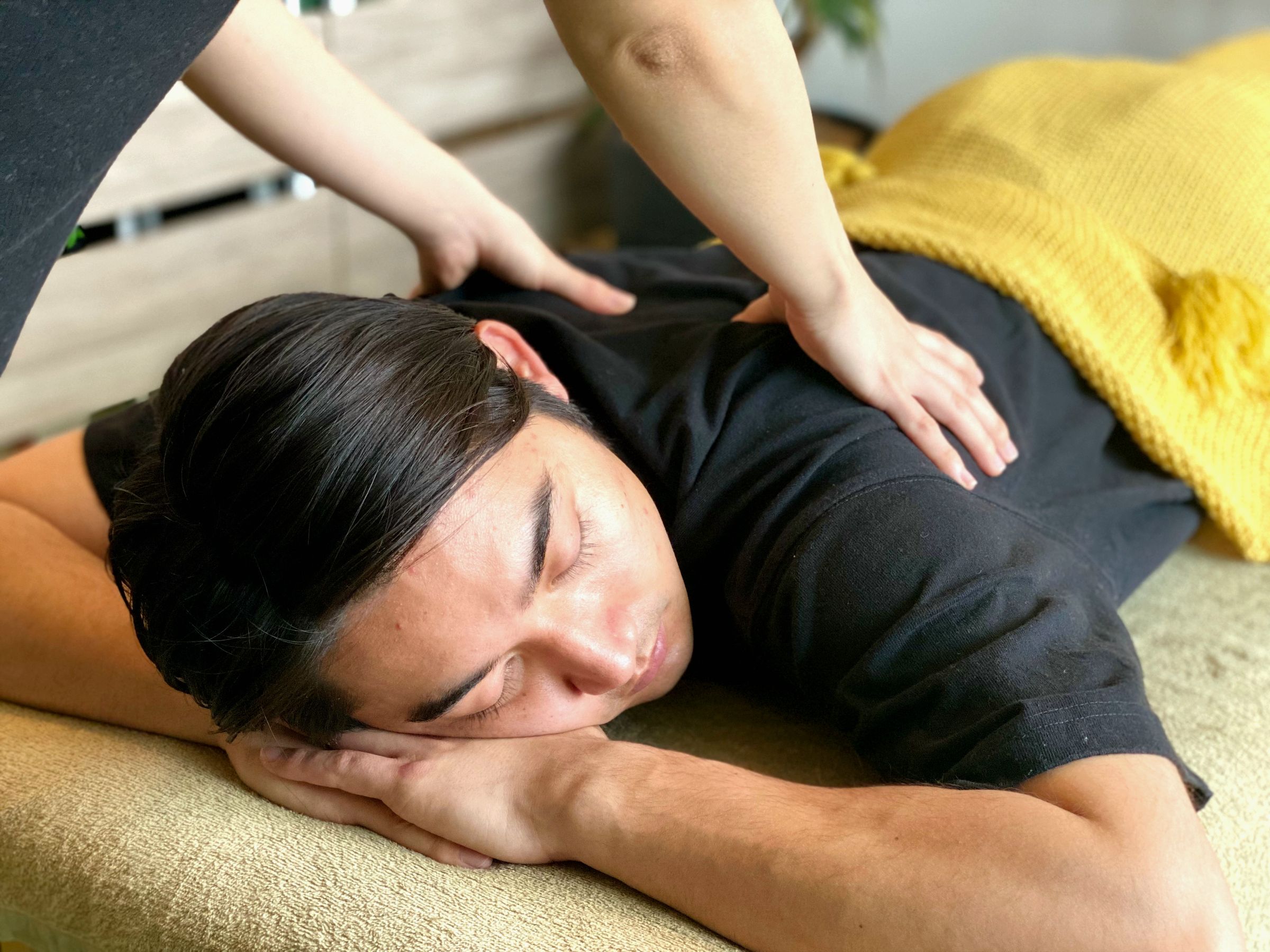
A dry head spa treats the head without wetting the hair or scalp. Loosening muscles around the scalp, neck and shoulders can encourage circulation and help balance the autonomic nervous system.
Long hours at a desk or on a smartphone make modern heads and necks prone to stiffness and sluggish circulation. As fatigue and tension build, oxygen and nutrient supply to the brain may become inadequate, reducing concentration and clear thinking and ultimately affecting sleep quality.
Thoroughly loosening the head and neck with a dry head spa helps the brain relax and makes natural sleep easier. It is worth trying if you struggle to fall asleep or repeatedly wake at night.
Dry head spas in a stressful society
Stress from work, study and relationships is a major reason the sympathetic nervous system becomes dominant. Too little time with active parasympathetic function contributes to irritability and sleep problems.
A dry head spa does more than loosen muscles: touch is also expected to encourage release of oxytocin, sometimes called a relaxation hormone. For people prone to stress, regular care at a salon can be a useful route to maintaining good sleep.
What HITOYASUMI Dry Head Spa & Body Care offers
A carefully designed relaxing space
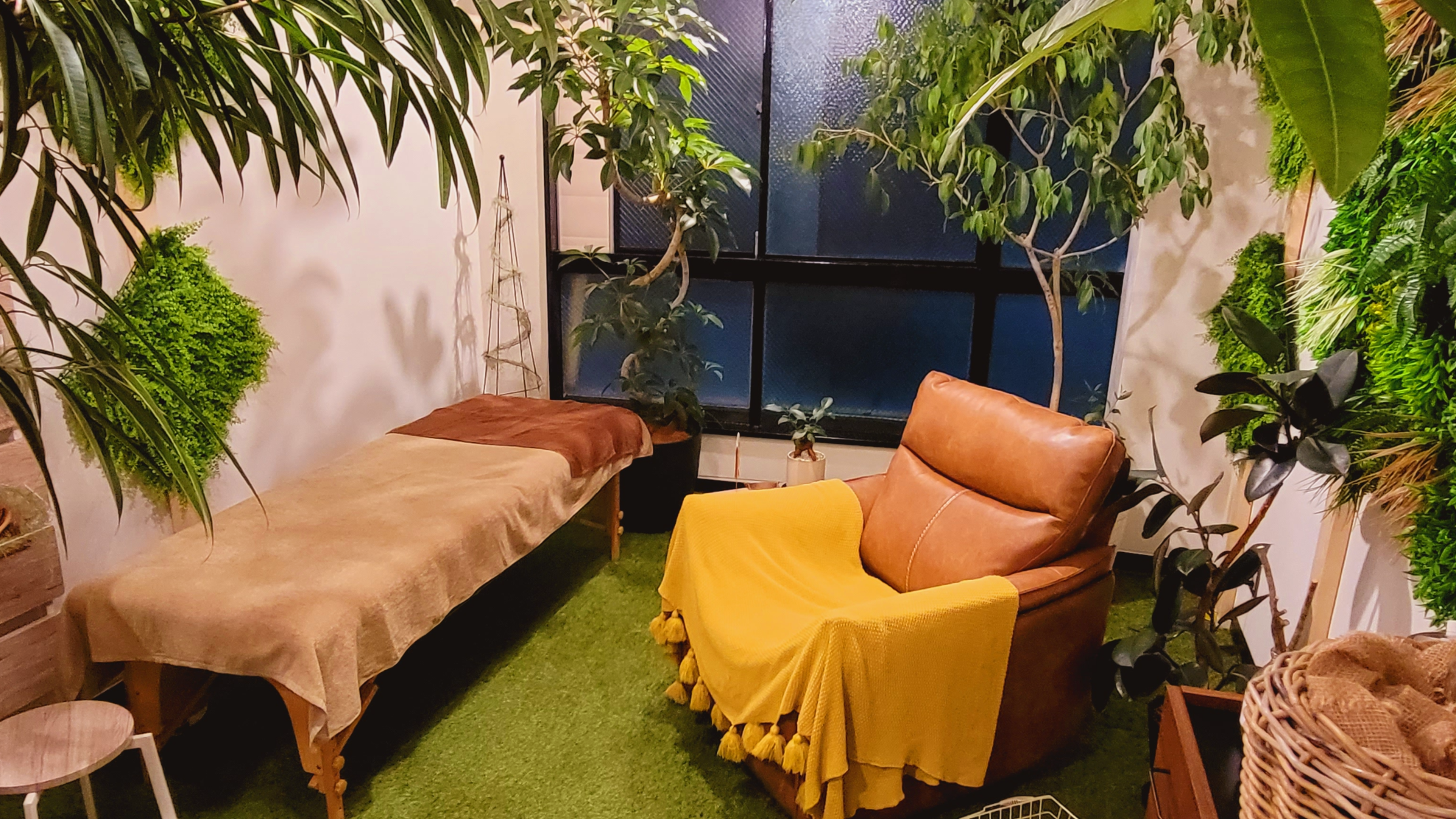
Near Nagoya Station, HITOYASUMI Dry Head Spa & Body Care pays close attention to interiors, background music, lighting and aromas to create relaxation through all five senses.
- Gently varying music: natural sounds and slow rhythms encourage parasympathetic activity.
- Aromatic fragrance: soothing scents help release body and mind.
- A green space: greenery also eases stress visually.
Treatment for the whole body and scalp
Alongside dry head spas, HITOYASUMI offers body care for the neck, shoulders, back, feet and beyond. By addressing muscles, circulation and autonomic imbalance together, we support overall recovery from fatigue. We also share self-care advice that fits daily life, helping the effects of your salon treatment last longer.
Support for better sleep
Regularly loosening the head, neck and shoulders promotes circulation and autonomic balance, moving you towards a state conducive to deep sleep at night. If you have struggled with sleep for years or have recently had a run of sleepless nights, try a treatment and experience a relaxed head and body.
HITOYASUMI Dry Head Spa near Nagoya Station | Book here
Online reservations are accepted through Hot Pepper Beauty and Rakuten Beauty.
Click to open the booking site.
Final thoughts: sleep well and feel better every day
Good-quality sleep greatly affects health, work performance and the richness of everyday life. Some may see sleeping time as wasted time, but the benefits of adequate sleep are immeasurable.
- Wake more easily in the morning
- Work and learn more efficiently
- Feel less affected by stress
- Be less prone to feeling unwell
- Enjoy personal time more
Alongside reviewing your daily rhythm, releasing tension in the body and head is essential to better sleep. Near Nagoya Station, HITOYASUMI Dry Head Spa & Body Care loosens scalp and muscle tension and offers a relaxing space that also soothes the brain. Why not experience deep rest and aim for better performance the next day?
If you have not been sleeping well or cannot shake off daytime fatigue, please visit us. We support better sleep with advice and treatment suited to your sleeping environment and physical condition.