2024
Mar
10
Six habits that lead to light sleep, and what to do about them

Poor sleep can leave you tired from the morning or unable to concentrate, substantially affecting daily performance. Many people struggle with light sleep, difficulty drifting off or repeated nighttime waking.
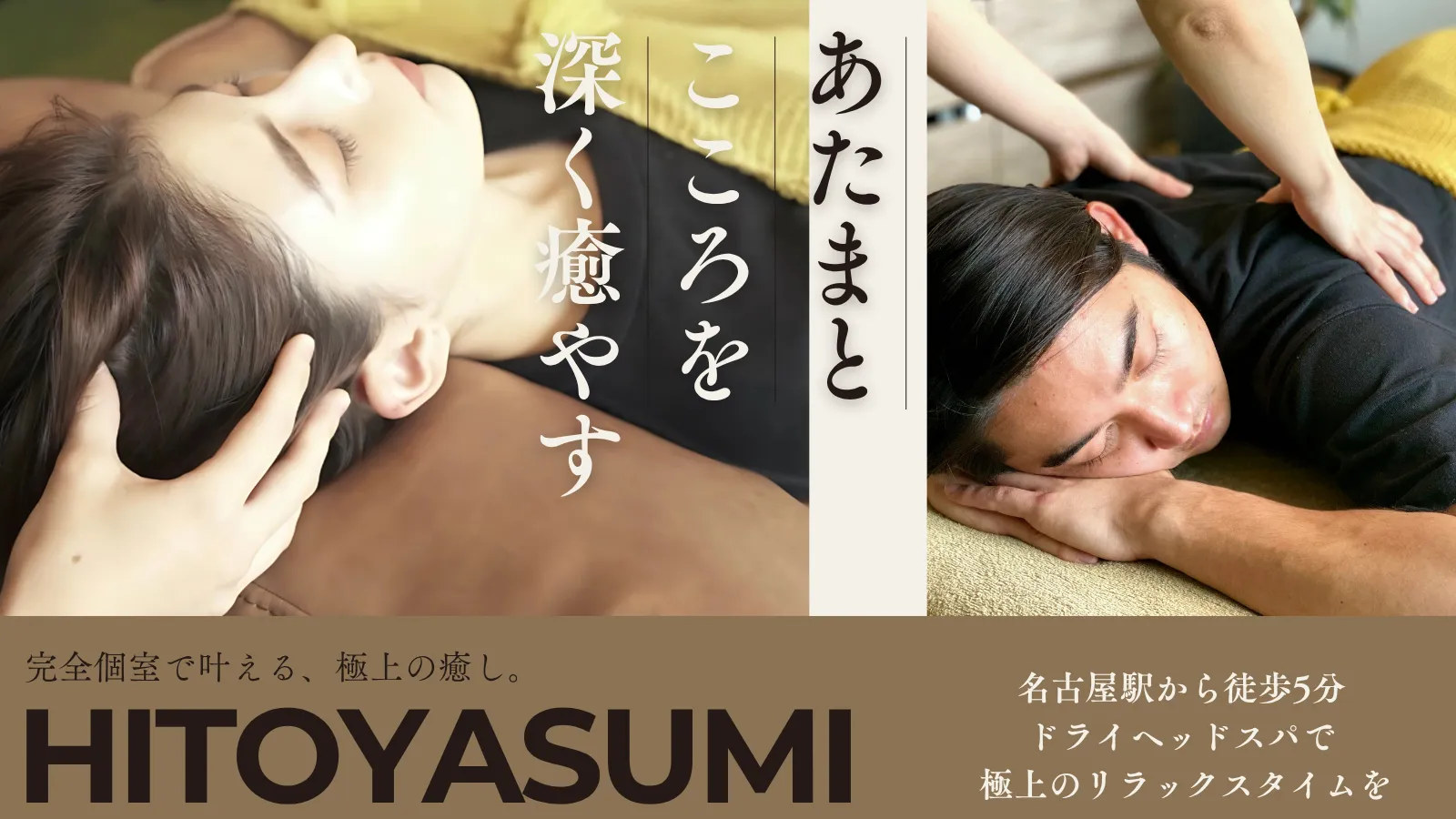
This article explains six main habits that lead to light sleep and measures to improve them. It also explores professional care at HITOYASUMI Dry Head Spa near Nagoya Station and its relaxation effects, offering a comprehensive guide to better sleep quality.
Introduction: sleep quality influences health
Sleep is essential for recovering from daily fatigue and refreshing body and mind. Yet late-night exposure to bright light from phones, computers and televisions, together with irregular meals and drinking, is increasing cases of light sleep.
Do you feel tired despite apparently sleeping enough, or wake repeatedly and remain sluggish the next morning? Your daily habits may be causing light sleep.
Poor sleep can disrupt hormonal balance and the autonomic nervous system, potentially reducing concentration and immunity. It also impairs daytime performance, affecting work, study, housework and childcare.
Here we bring together six common behaviours that reduce sleep quality and specific solutions. We also explain the relaxation benefits of a dry head spa, attracting attention as professional sleep care.
Six habits that cause light sleep
Check whether any of these six habits apply. Starting with small improvements is the first step towards deeper sleep.
1. Looking at bright light at night
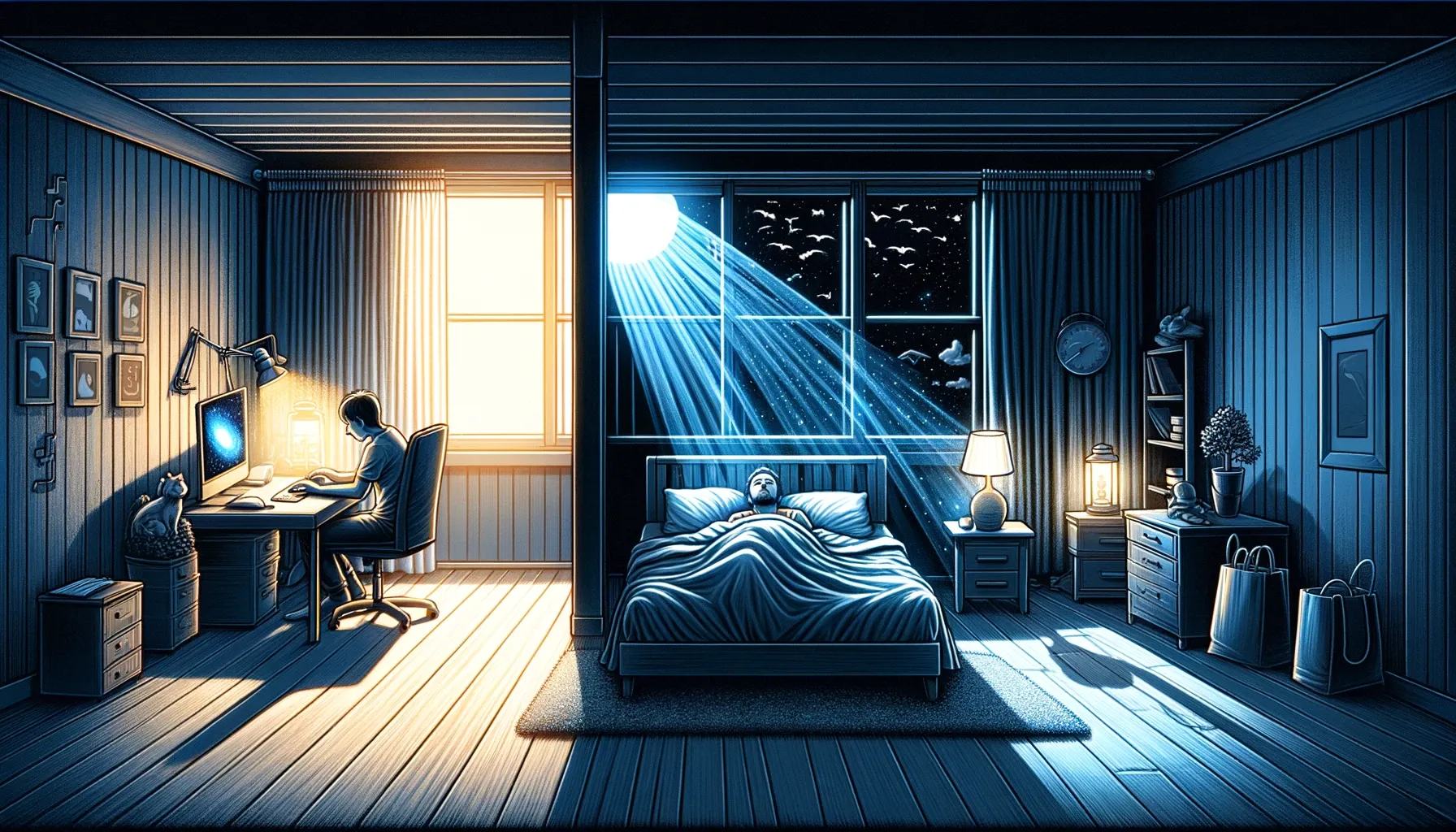
Using phones, computers or television late at night exposes you to blue light, keeping the brain alert and disrupting natural sleep rhythms. Phone use in the hour before bed is particularly said to suppress melatonin, the hormone that induces drowsiness. This can contribute to difficulty falling asleep or sleeping deeply.
2. Late or heavy dinners
A substantial late meal takes time to digest and keeps internal organs working hard. The body struggles to enter rest mode, leading to difficulty falling asleep or waking with indigestion.
3. Too much caffeine
Caffeine in coffee, black tea and energy drinks is strongly stimulating, so nighttime intake needs care. Effects are said to last about four to six hours; large evening doses, as well as drinking just before bed, may make deep sleep difficult.
4. Too much alcohol
Alcohol may initially feel relaxing and help you fall asleep. However, it tends to interfere with deep non-REM sleep in the latter part of the night, causing repeated waking or next-morning fatigue. Its diuretic effect also increases toilet trips and fragmented sleep.
5. Unsuitable bath timing and temperature
Long, very hot baths late at night followed immediately by bed can interfere with temperature regulation and make sleep harder. Persistently high core temperature keeps the brain excited and prevents natural sleep.
6. Excessive catch-up sleep on days off
Weekday sleep shortages encourage long lie-ins, but these disrupt the body clock. Waking much later on days off can worsen sleep the following night and affect the return to weekdays.
Practical measures for deeper sleep
Reviewing these six habits can change sleep quality dramatically. Here are specific responses.
1. Manage blue light and the bedroom environment
- Limit devices in the hour before bed
If phones or computers are unavoidable, use blue-light reduction apps or filters. - Warm, indirect bedroom lighting is ideal
Minimise brightness and create a relaxing environment to make natural sleep easier. - Use fully light-blocking curtains
Prevent streetlights or early daylight waking you and help maintain deep sleep.
2. Optimise dinner timing and content
- Finish eating three hours before bed
Ideally, finish dinner by 7 p.m. and give the stomach time to rest before sleep. - If dinner must be late, choose something light
Choose cooked vegetables, soup and easily digested protein. Fried or heavily seasoned foods are likely to cause indigestion lasting until morning.
3. Handle caffeine and alcohol wisely
- Finish caffeine by around 2–3 p.m.
Allowing for caffeine's half-life, avoiding evening intake reduces the risk of disturbing deep sleep. - Avoid alcohol in the two to three hours before bed
A moderate amount may relax you, but excess is unhelpful. Consider limiting the evening to about one drink and hydrating well before bed.
4. Review bathing to maximise relaxation
- Soak for 10–15 minutes at 38–40°C, one to two hours before bed
Core temperature then falls gently, encouraging natural sleep. Long, excessively hot baths can have the opposite effect. - Relax in dim light afterwards
Calming activities such as stretching or light reading help you ease into bed.
5. Keep a regular sleep rhythm
- Avoid very different waking times on days off
Keeping the difference to around two hours minimises body-clock disruption. - Use short naps
If weekday sleep is insufficient, a 20–30-minute nap is recommended. Longer naps can affect nighttime sleep.

Benefits of HITOYASUMI Dry Head Spa
Adding professional relaxation to everyday improvements may further enhance sleep quality. Conveniently near Nagoya Station, HITOYASUMI Dry Head Spa offers head-focused care to guide deep relaxation and support comfortable sleep.
1. Relaxation through dry head spa
A dry head spa carefully massages the scalp without shampoo or hot water. The head contains many pressure points and nerves; appropriate stimulation may balance the autonomic nervous system and encourage parasympathetic dominance. Heart rate and breathing settle during treatment, making a natural transition into relaxation easier.
2. Why it helps sleep quality
- Stress relief
Tight neck and shoulder muscles impair circulation and can make sleep shallow. Loosening them and improving flow around the head, neck and shoulders creates a lighter-headed feeling. - Easing mental fatigue
Modern devices require constant information processing, making brain fatigue easy to accumulate. Loosening the scalp improves oxygen delivery to the brain and helps reduce daytime stress and fatigue.
3. Easy visits near Nagoya Station
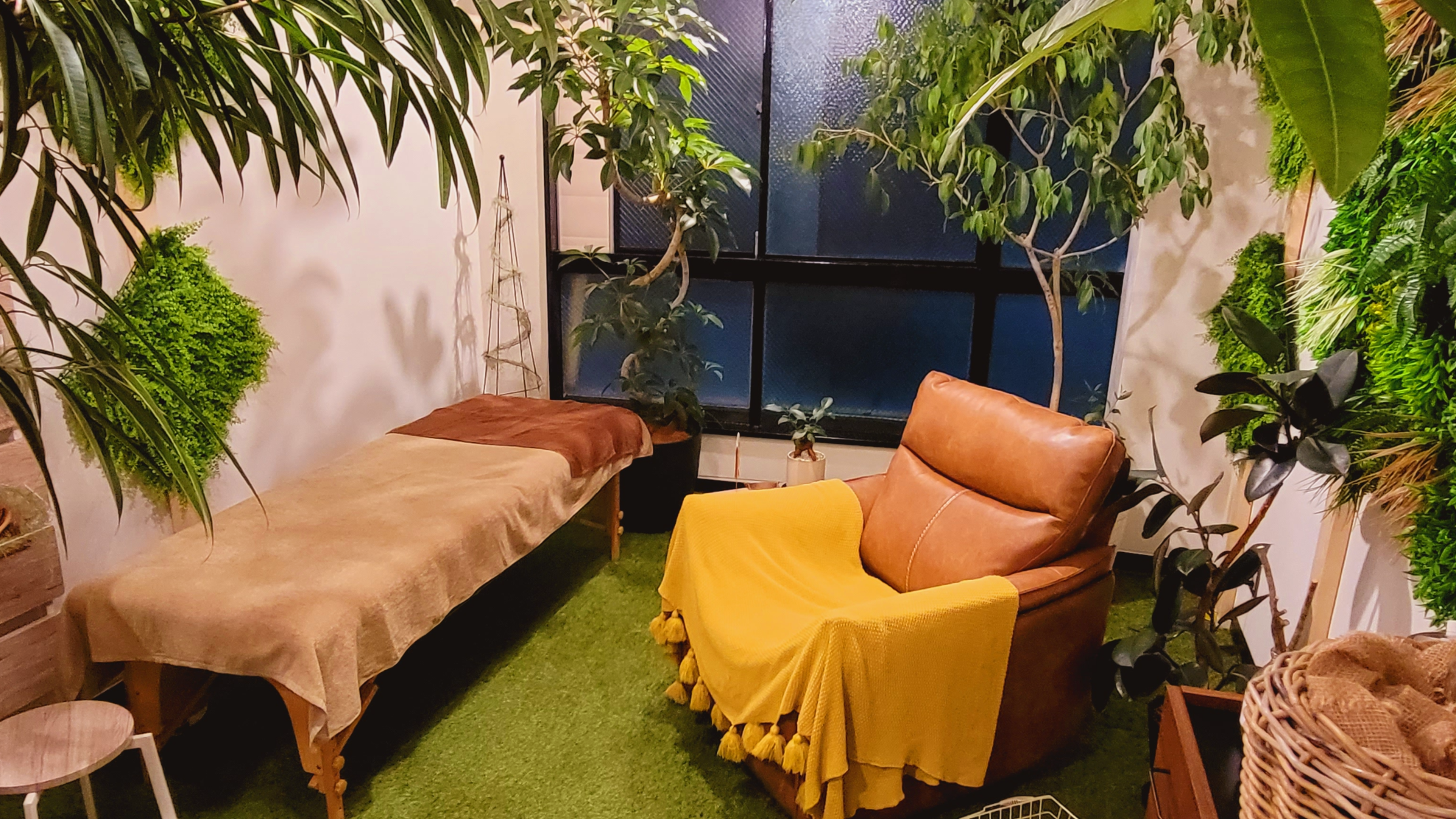
Convenient stops between work or shopping are welcome for busy people. Furthermore, HITOYASUMI Dry Head Spa designs its environment around relaxation and gentle natural rhythms, helping reset body and mind.
Steps towards a fundamental improvement in sleep
1. Lifestyle improvements and professional care together
Reviewing habits and improving gradually is important, but modern stress often leaves fatigue that self-care alone cannot fully address. In parallel, consider professional care such as the dry head spa introduced here.
Gradually improving physical condition through home care and habits, alongside regular professional care for brain fatigue and stiffness, offers complementary benefits. As the scalp, neck and shoulders improve, breathing naturally deepens during sleep, creating a positive cycle of better sleep quality.
2. Daily habits that sustain benefits
Habits remain essential after professional treatment. Continue paying attention to these points.
- Keep blue light away before bed
- Time dinner to allow the digestive system to rest
- Control caffeine and alcohol intake
- Relax with a suitably warm bath before bed
- Keep waking times similar on workdays and days off
Combining these practices with further relaxation through professional dry head spa encourages better sleep quality.
HITOYASUMI Dry Head Spa near Nagoya Station | Book here
Online reservations are accepted through this link.
Click to open the booking site.
Final thoughts: restore deep sleep for healthier days
- Six habits leading to light sleep
Bright nighttime light; late or heavy meals; excessive caffeine; too much alcohol; unsuitable bath timing or temperature; excessive catch-up sleep on days off.
- Key measures
A device-free hour before bed; dinner timed to spare the stomach; sensible caffeine and alcohol control; suitable bath temperature and timing; regular waking and sleeping times.
Reviewing these habits alongside professional care at HITOYASUMI Dry Head Spa can greatly improve sleep. If fatigue will not lift or daytime focus fades, review your routine and consider professional treatment as needed.
Good sleep affects immunity and emotional wellbeing as well as stamina and thinking. Start improving habits today for more energetic, positive days. Small steps from light to deep sleep form a foundation for a healthy, fulfilling life.
Near Nagoya Station, HITOYASUMI Dry Head Spa offers blissful relaxation to help restore good sleep and tomorrow's energy. Feel a lighter body and clearer head after treatment; experience the difference for yourself.