2024
Apr
07
Getting through spring discomfort: five ways to balance the autonomic nervous system

Spring brings considerable changes in temperature and living circumstances. New schools, jobs and transfers can mean prolonged tension, while temperature differences strain the body. Many people find that fatigue lingers or their body feels sluggish.
Autonomic imbalance is a major possible cause. Spring's sharp differences between morning, evening and daytime often require the sympathetic nervous system to work hard to adapt, making balance easier to disrupt.
This article clearly explains five ways to balance the autonomic nervous system and get through spring discomfort. We also introduce treatment at HITOYASUMI Dry Head Spa & Body Care near Nagoya Station, offering ideas for refreshing body and mind while reviewing everyday habits.
Why is autonomic balance easily disrupted in spring?
A season of large temperature swings
Spring often brings cold mornings and evenings but days warm enough to sweat. These differences place a substantial burden on the body. Sympathetic and parasympathetic nerves regulate temperature; when swings are large, sympathetic activity can remain dominant, leaving the body constantly tense.
Stress from a new way of life
The new school and business year brings enrolment, promotion, new jobs and transfers. Adapting to a new routine often increases emotional stress. As it accumulates, sympathetic activity rises and autonomic balance becomes easier to disrupt.
The effects of hay fever
Spring is cedar and cypress pollen season. Persistent sneezing, a runny nose and itchy eyes can lead to insufficient sleep and reduced concentration. Continued symptoms upset physical balance and can contribute to autonomic disturbance.
Signs that may suggest autonomic imbalance
Spring discomfort may be more than simple tiredness or a cold. Do any of these symptoms sound familiar?
- Frequent dizziness, light-headedness or ringing ears
- A restless, tight feeling in the chest
- Occasional breathlessness
- Cold hands and feet
- Persistent or recurring diarrhoea or constipation
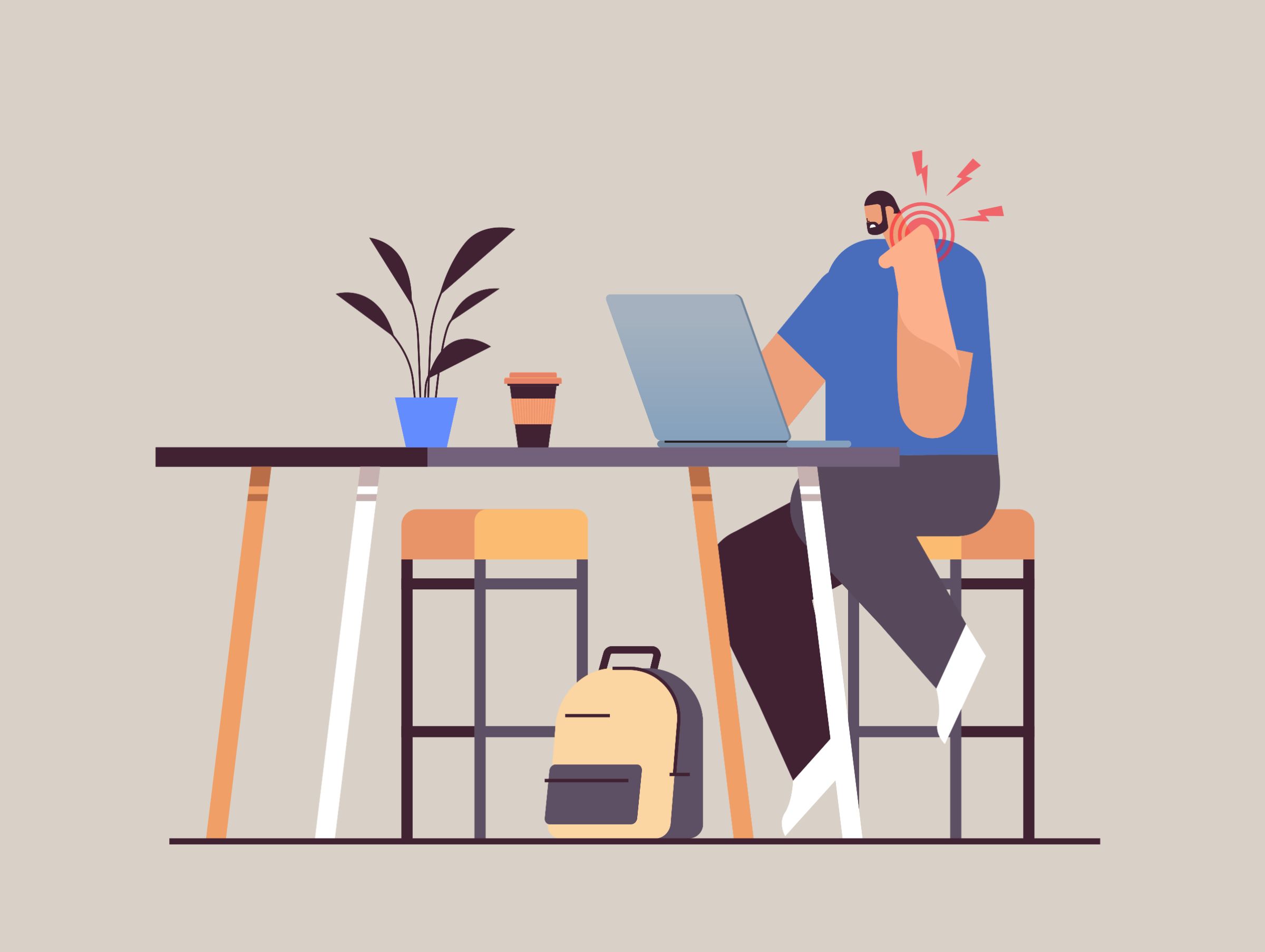
- Chronic shoulder stiffness or lower-back pain
- Unusual sweating only on the face, hands or feet
- Strong fatigue remaining after waking
- Light sometimes feels unusually bright
- Fatigue persists even after sleep
Several matching symptoms may suggest that the autonomic nervous system is not functioning smoothly. Reviewing lifestyle and body care and working towards improvement matters.
Five ways to balance the autonomic nervous system
Here are five practical approaches. Even gradually incorporating them can make a substantial difference to physical and emotional wellbeing.
1. Keep a regular daily rhythm
Wake consistently and get morning sunlight
A basic step is to wake at the same time every day. Sunlight soon afterwards resets the body clock, helping sympathetic and parasympathetic activity switch smoothly. Sleeping past noon on days off can disrupt your rhythm, so take care.
Eat a proper breakfast
Breakfast supplies energy for the day's activity. Foods rich in vitamins and minerals are particularly useful for supporting autonomic balance.
- Vitamin C: bananas, kiwi, citrus fruit and more.
- Vitamin A: green and yellow vegetables such as spinach, broccoli and carrots.
- Vitamin E: nuts, avocado, pumpkin and more.
For example, banana with yoghurt and an omelette with spinach provide both energy and nutrients.
2. Eat a balanced diet
Consciously include nutrients that support balance
It is important to get sufficient vitamins C, A and E, and calcium. Combine foods such as these in a balanced way.
- Fruit and vegetables (vitamin C)
- Green and yellow vegetables, eggs (vitamin A)
- Nuts and seafood (vitamin E)
- Dairy products, dried small fish and sesame (calcium)
Limit caffeine and stimulating foods
On the other hand, caffeine, alcohol, spices and foods high in fat or sugar are more likely to overstimulate the autonomic nervous system. If you drink too much coffee or energy drinks, gradually reducing them or choosing milder meals may lessen the burden.

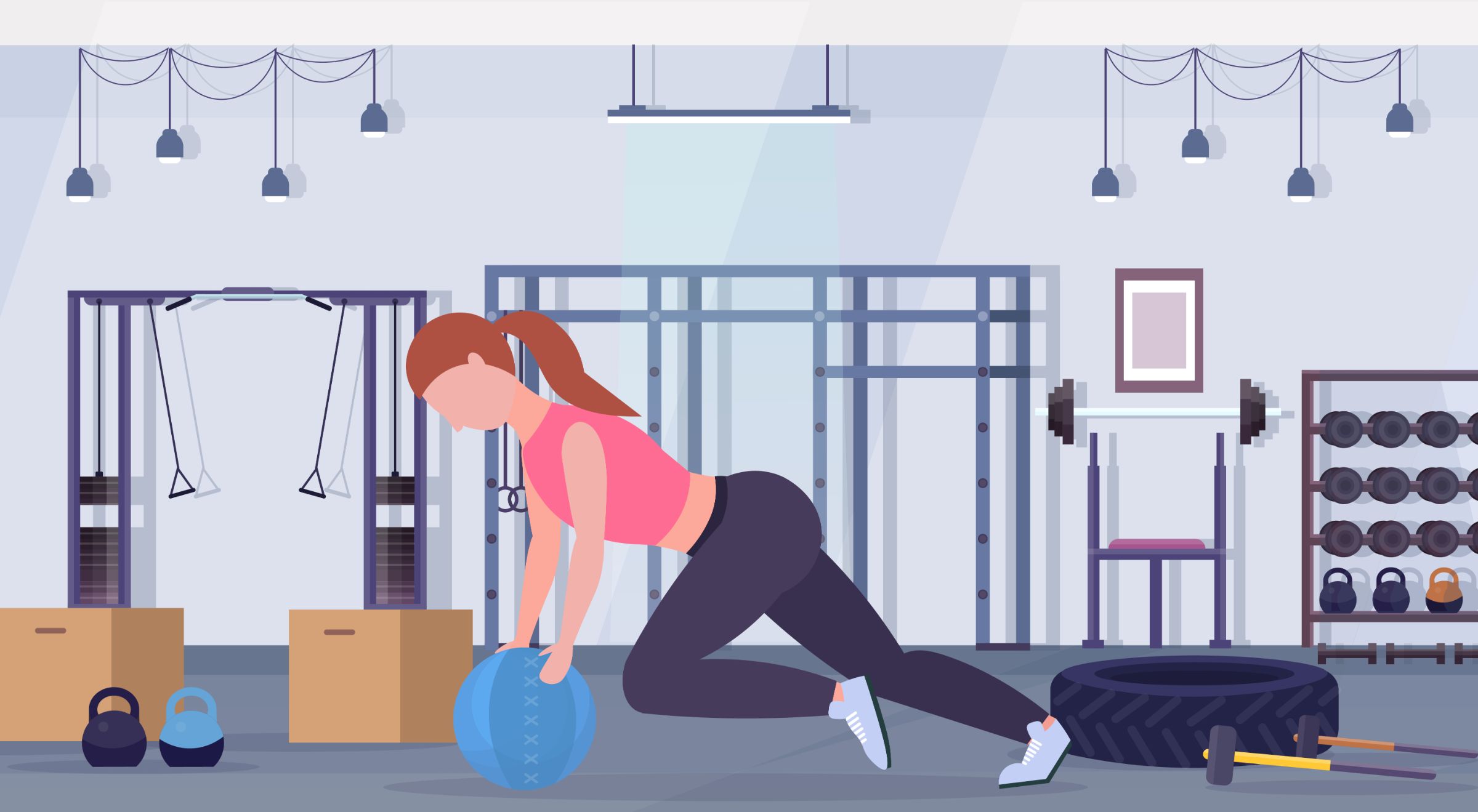
3. Include moderate exercise
Release tension with aerobic activity
Walking, jogging and cycling encourage circulation and ease bodily tension. Morning walking is especially helpful because sunlight resets the body clock and smooths transitions between sympathetic and parasympathetic activity.
Breathe deeply with yoga or stretching
Yoga and stretching combine movement with deep breathing, encouraging parasympathetic dominance. Even if vigorous exercise is not for you, slow movement with attention to breath enhances relaxation and supports autonomic balance.
4. Manage stress effectively
Find your own ways to relax
Stress is a major cause of autonomic disturbance. Refresh the mind through activities you find enjoyable or calming, such as music, reading, films or crafts.
Try breathing techniques and meditation
Even brief deep breathing or meditation helps encourage parasympathetic activity. A few conscious sessions of abdominal breathing each day can calm body and mind. Try it during short breaks at home or the office.
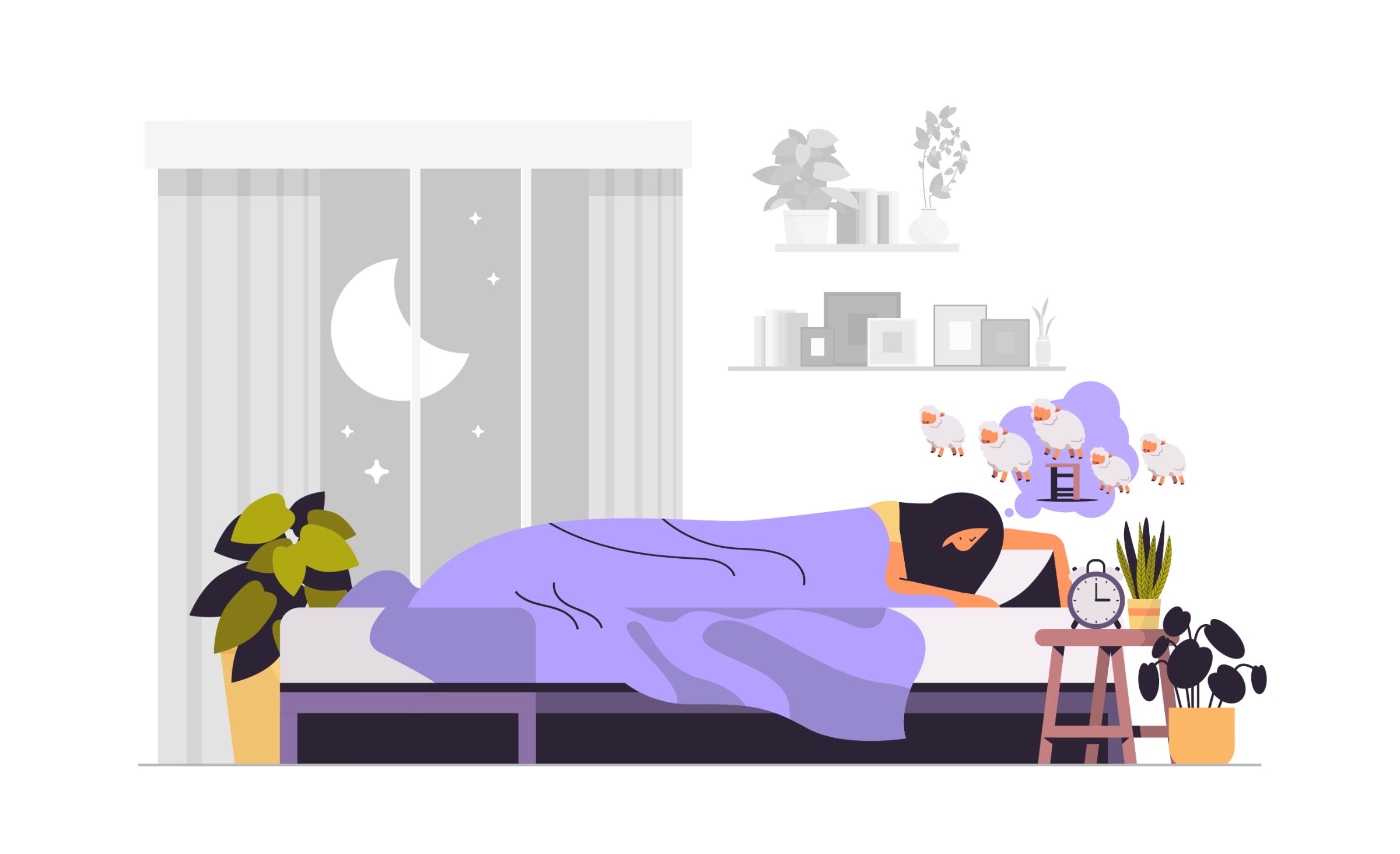
5. Secure good-quality sleep
Create a sleep-supporting environment
Good sleep is essential for autonomic balance. Warm the eye or neck area before bed or use aroma or candles to create a relaxing environment. Simply dimming lights and reducing blue light from phones or computers can improve sleep quality.
The hours before bed matter
Try to avoid stimulation in the two to three hours before bedtime.
- Limit smartphone and computer use
- Soak slowly in a lukewarm bath
- Do gentle stretching or massage
These habits make it easier to move into parasympathetic dominance and deep sleep.
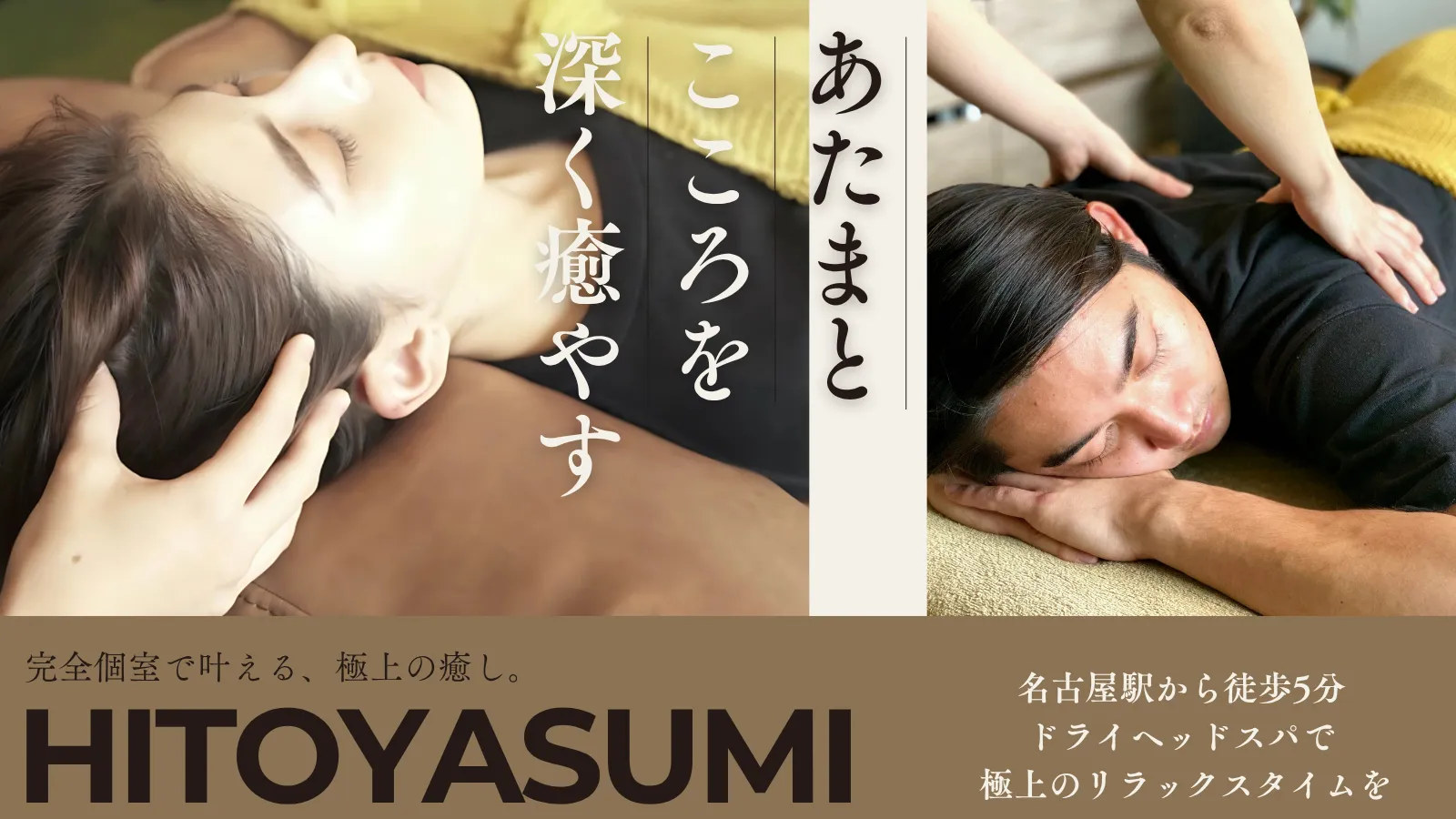
Relax head and body at HITOYASUMI
Dry head spa and body care near Nagoya Station
Professional treatment and relaxation are another way to support autonomic balance. HITOYASUMI near Nagoya Station offers gentle care from scalp to whole body.
Soft light through large windows and green interiors create visual calm. Together with aroma and pleasant music, the space lets you forget stress and fatigue and enjoy peaceful treatment.
The benefits of a dry head spa
A dry head spa uses head massage to loosen the scalp and promote circulation. As scalp tension improves, the neck and shoulders also relax more easily, helping support autonomic balance.
- Better sleep quality: deep relaxation helps you fall asleep more easily.
- Less eye strain: eases tired eyes after long hours looking at computer or phone screens.
- Improved neck and shoulder stiffness: enhanced circulation around the head and neck supports care for stiff areas.
For those wanting whole-body care but too busy for a long massage, a dry head spa offers the appeal of a refresh in a short time.
Combining body care for greater benefits
HITOYASUMI also offers body care that thoroughly loosens muscles beyond the scalp. If the neck, shoulders or back are very tense, or the feet swell after prolonged desk or standing work, combining treatments further enhances whole-body circulation and relaxation.
Afterwards, the body feels lighter and pleasantly tired, making deep sleep easier. This also suits those wanting better sleep quality.
Reservations and enquiries
- Online booking: available 24 hours through the link below.
Book here
(The link opens another website.) - Telephone booking: 052-898-2851
(We may be unable to answer during treatment. Please leave a voicemail.)
Balance your autonomic system and enjoy spring with energy
Spring brings exciting encounters and challenges, but also temperature and lifestyle changes that strain body and mind. If fatigue persists, mornings feel sluggish or headaches and stiff shoulders become chronic, consider autonomic imbalance as a possibility.
- A regular daily rhythm
- Nutritionally balanced meals
- Moderate exercise
- Reliable ways to release stress
- Good-quality sleep
Building these five habits can help you enjoy more active days without being overwhelmed by spring discomfort. Dry head spa and body care at HITOYASUMI near Nagoya Station offer not only relief from scalp and body tension but also deep relaxation, helping care for autonomic imbalance at its roots.
Try HITOYASUMI as a well-earned reward to reset everyday fatigue. Surrounded by warm daylight and aroma, develop habits that support balance and enjoy spring with a smile.
These are five ways to balance the autonomic nervous system and get through spring discomfort, alongside an introduction to HITOYASUMI. In a season when temperature swings and new-life stress can affect health, maintain healthy habits and enjoy life with energy. Rather than ignoring small discomforts, early action and regular maintenance can support comfortable days.
If stiffness or fatigue persists, do not struggle alone: seek help from specialists or professional therapists. Alongside reviewing habits, make appropriate use of relaxation salons such as HITOYASUMI to support physical and emotional health.
Choose methods suited to your condition and pace, and begin building a body ready to enjoy spring fully.