2024
Apr
29
A first step towards better sleep: melatonin, serotonin and tryptophan explained

Sleep is essential to healthy, fulfilling days. Deep rest strongly affects physical and mental performance and wellbeing. Yet modern life contains many factors that reduce sleep quality, including work, irregular routines, blue light from smartphones and excessive stress.
Three substances attracting attention as keys to better sleep are melatonin, serotonin and tryptophan. They work closely together rather than independently to regulate sleep rhythms. This article explains their roles and relationship, offers practical lifestyle changes, and explores relaxation at HITOYASUMI Dry Head Spa & Body Care near Nagoya Station as part of a better-sleep routine.
Three substances supporting sleep: melatonin, serotonin and tryptophan
What is melatonin?
Melatonin is a hormone released by the brain's pineal gland, also called the “sleep hormone”. Release increases at night, switching the body clock into night mode. A stable release rhythm encourages natural drowsiness and deep sleep.
- Melatonin's release rhythm
Release rises in the evening and peaks from late night to early morning, guiding the body towards sleep. Morning light suppresses it and supports smooth waking. - Melatonin's health effects
Besides promoting sleep, melatonin has reported antioxidant effects and may support immunity. Release declines with age, potentially contributing to poorer sleep in older adults.
What is serotonin?
Serotonin functions as a neurotransmitter in the brain and is also called the “happiness hormone”. It supports stable mood, resilience to stress and concentration, while also being an important raw material for melatonin.
At night, some serotonin converts into melatonin. A shortage therefore affects melatonin production and can reduce sleep quality.
What is tryptophan?
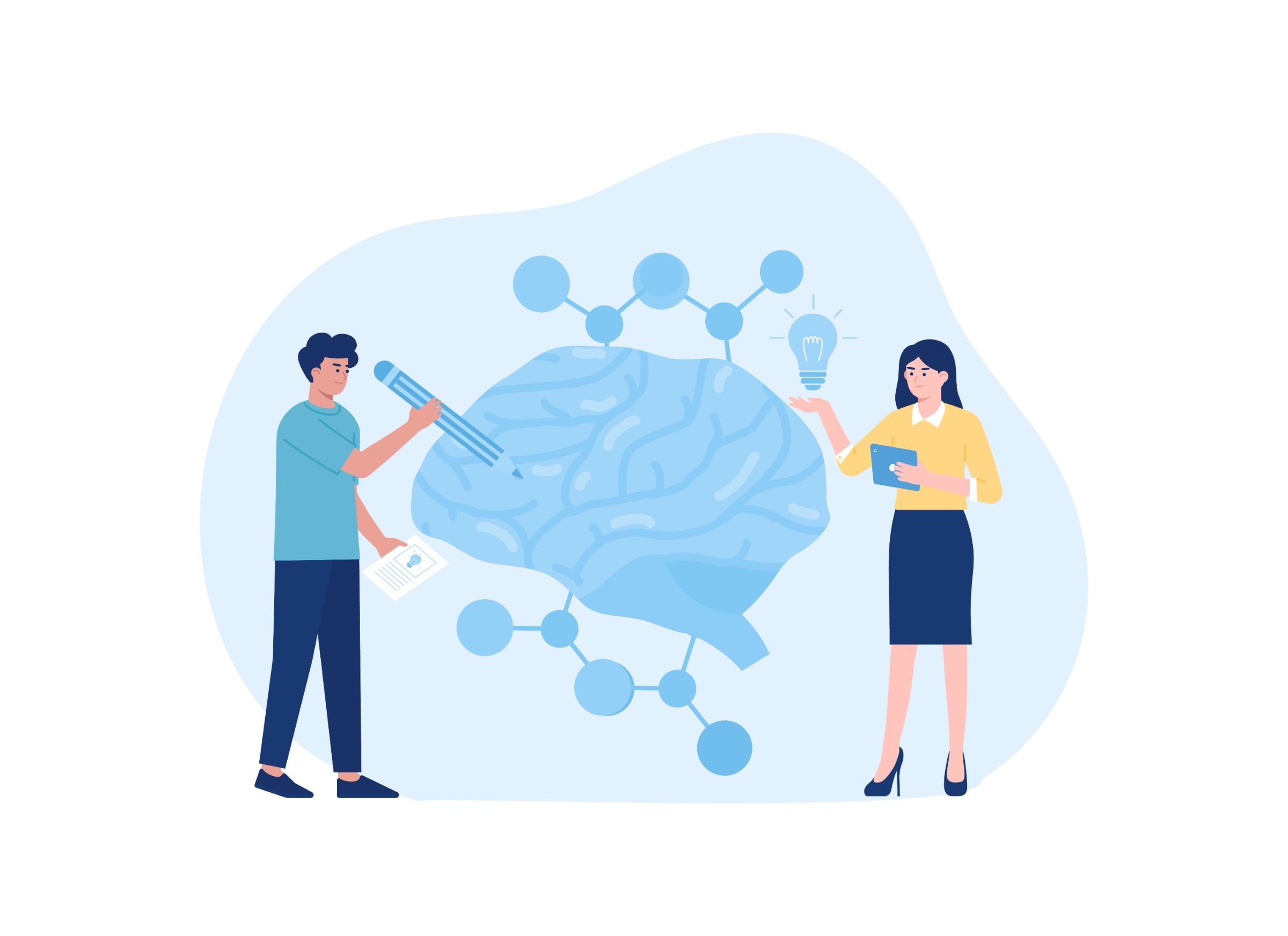
Tryptophan is an essential amino acid that the body cannot make. It must come from food and is necessary for serotonin synthesis. The pathway tryptophan → serotonin → melatonin shows why adequate tryptophan intake is a key to good sleep.
The benefits of good sleep
Recovery from fatigue and stronger immunity
Deep sleep allows efficient recovery and enhances immunity. Chronic sleep deprivation, conversely, can weaken immunity and reduce resistance to illness and stress.
Mental health and resilience to stress
Serotonin is important for emotional stability. Adequate production eases irritability and anxiety, improves daytime focus and motivation, and converts smoothly to melatonin for deeper sleep.
Better daytime performance
Sufficient rest supports brain activity and memory consolidation. Sleep organises information and performs brain maintenance, greatly improving next-day work and learning efficiency.
Habits that encourage melatonin release
A regular sleep schedule
To regulate melatonin rhythms, keep bedtimes and waking times consistent. Avoid drastically disrupting your routine even at weekends.
Reduce brightness at night
Light suppresses melatonin release.
- Use dimmer room lighting before bedtime
- Use glasses or device settings that cut blue light from smartphones and computers
These measures minimise nighttime light stimulation and support smooth melatonin release.
Get morning light
Conversely, sunlight in the morning resets the body clock and activates the daytime serotonin you need. Opening curtains or taking a morning walk can be highly effective.
A relaxing bedtime routine
It is also important to allow quiet time and reduce stress before bed. Stretching, meditation and aromatic relaxation can calm the mind and support smooth melatonin release.
Ways to support serotonin
Light and moderate exercise
As noted above, light strongly supports serotonin production. Moderate activity, such as walking or gentle jogging, also encourages its release in the brain.
Eat foods containing tryptophan
Sufficient tryptophan, the precursor of serotonin, makes serotonin levels easier to raise. Include a balanced range of:
- Soy products, such as natto, tofu and miso
- Dairy products, such as yoghurt, cheese and milk
- Nuts, such as almonds and walnuts
- Seafood and lean meat
in your diet.
A regular daily rhythm
Serotonin release is closely linked to a morning-oriented routine. Wake at a consistent time, including days off, and organise mornings consciously with sunlight and gentle exercise.
Avoid excessive stress
Stress inhibits serotonin release. Eliminating stress completely may be difficult in modern life, but setting aside time for yoga, meditation or hobbies deliberately creates opportunities for mental relaxation.
Practical habits for better sleep
Review the sleeping environment
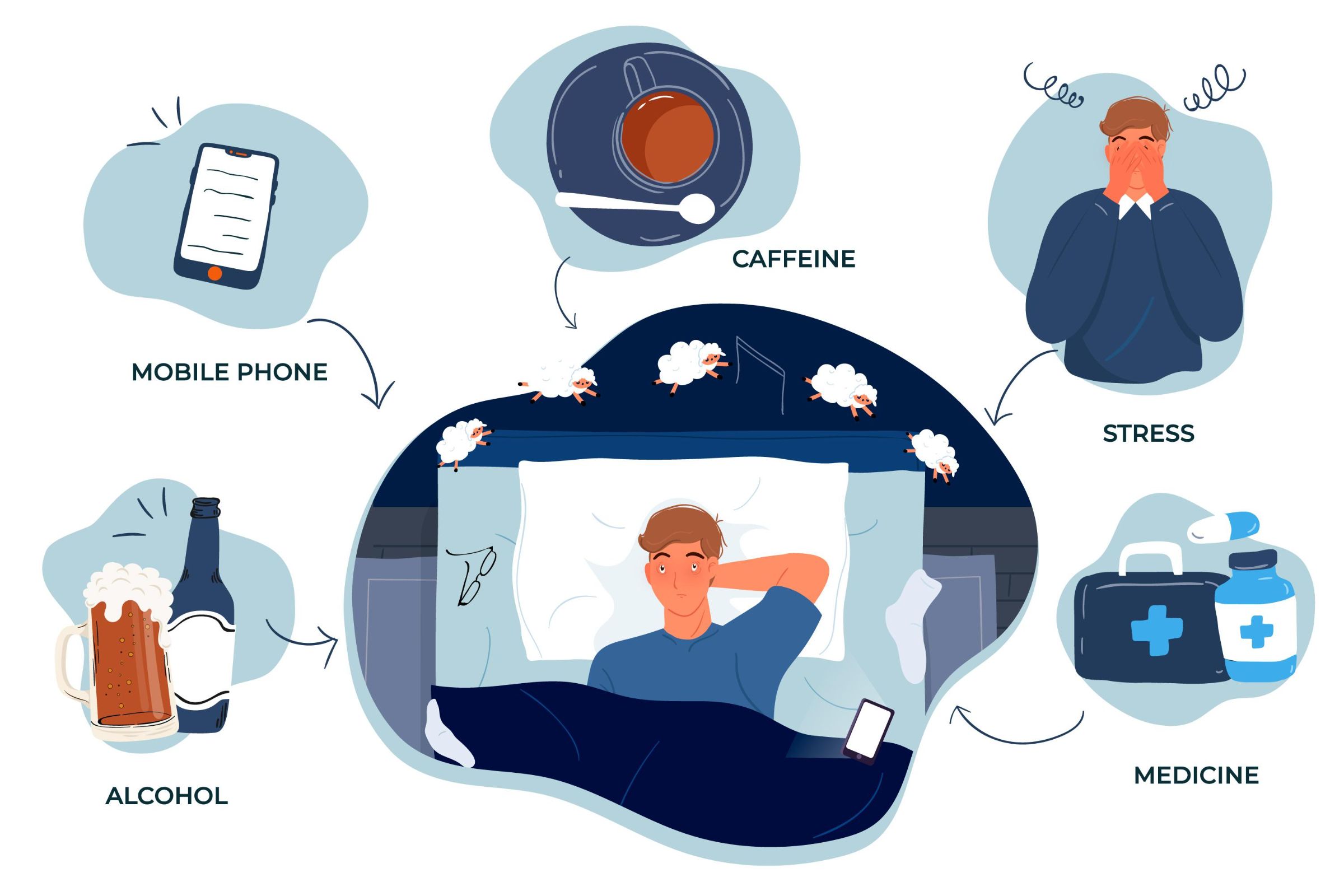
- Keep the bedroom dark and quiet
Use curtains or earplugs to block outside light and sound and adjust air conditioning as needed to create a comfortable bedroom. - Choose suitable bedding
A mattress and pillow suited to your build and sleeping position strongly influence sleep quality.
Limit caffeine and food before bed
Caffeine is strongly stimulating, so it is safer to avoid it after 3 p.m. Eating late strains digestion and may interfere with falling asleep, so finish dinner early.
Moderate rhythmic daytime exercise
Regular rhythmic activity such as walking or gentle jogging increases serotonin release and supports nighttime melatonin synthesis. Movement in morning sunlight is especially effective.
Melatonin supplements and sleep aids
Melatonin supplements are sometimes used to improve sleep temporarily, but long-term use is not always recommended. Above all, fundamental improvement in lifestyle habits must come first. Consider supportive items such as sleep aromas or relaxation music as well.
Deep relaxation at HITOYASUMI Dry Head Spa & Body Care near Nagoya Station
How a dry head spa can support sleep
A dry head spa loosens the scalp and neck with pleasant pressure, potentially balancing the autonomic nervous system and promoting circulation. Better balance reduces excessive sympathetic activity that interferes with sleep and is thought to benefit melatonin release.
- Stress relief
Attentive massage loosens head stiffness and tension and reduces everyday stress. By also addressing stress-related serotonin shortage, it supports good sleep. - Relaxation
Pleasant stimulation across the head leads to whole-body relaxation. Afterwards, the head feels clear and light, making deep relaxation easier.
What HITOYASUMI focuses on
HITOYASUMI Dry Head Spa & Body Care tailors treatment to each guest's condition and wishes. We carefully check the scalp, neck and shoulders and choose pressure and techniques suited to that day's needs.
Music, lighting and aroma also receive close attention, allowing physical and emotional relaxation throughout treatment.
- Conveniently near Nagoya Station
Easy access makes visits convenient after work or between errands. Regular personal care supports habits that prevent stress from building up. - Advice after treatment
We also offer practical sleep advice, including simple self-care and lifestyle points to review.
Final thoughts: support these three substances and combine daily habits with head care
- Melatonin
A sleep-promoting hormone released mainly at night, strongly affected by light and lifestyle.
- Serotonin
Also called the happiness hormone, it supports emotional stability and daytime performance. As melatonin's raw material, a shortage interferes with good sleep.
- Tryptophan
An essential amino acid used to make serotonin, requiring conscious intake through food.
To balance these three substances, a regular sleep schedule, daytime light and exercise, and relaxation before bed are essential parts of reviewing your overall lifestyle. Stress management and head care also matter.
Near Nagoya Station, HITOYASUMI Dry Head Spa & Body Care loosens scalp, neck and shoulder tension and balances the autonomic nervous system. Regular dry head spas offer deep relaxation and the potential for better sleep, providing support for a healthy sleep rhythm.
Better habits × dry head spa can help you sleep well and further support physical and mental health and everyday performance.
HITOYASUMI Dry Head Spa near Nagoya Station | Book here
Online reservations are accepted through this link.
Click to open the booking site.