2024
Jun
30
How to start meditating: three beginner steps to rest your brain and mind

As society becomes more digital, information constantly flows through everyday life. Processing it consumes mental and emotional energy. Amid social media, news sites and continuous information exposure, time for your mind to rest that lets the brain rest is increasingly important.
One practice drawing attention is meditation. It involves sitting upright, closing the eyes, regulating breathing and quieting the mind. In an information-heavy world, it is a highly useful way to reset the brain and mind. Bringing it into daily life can reduce stress and restore physical and emotional balance.
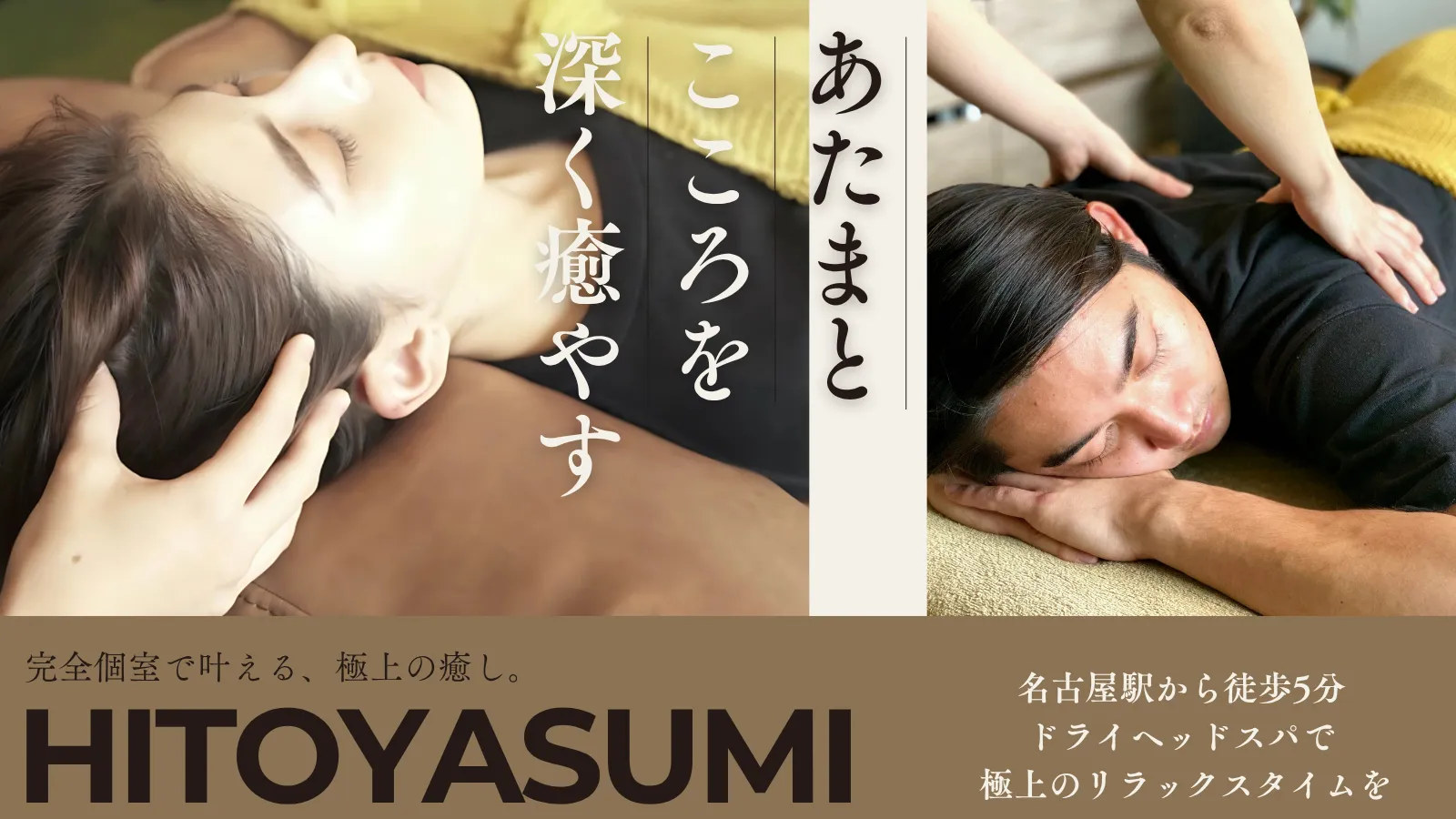
This article explains meditation's importance today, its basic steps and effects. We also introduce the meditative approach at HITOYASUMI in Nagoya. Learn how to get the most from meditation and put it into practice through an experience at HITOYASUMI.
What is meditation, and why does it matter today?
Meditation is an ancient technique for calming and clearing the mind. Sitting upright, closing the eyes and regulating breathing helps restore physical and emotional balance. Its importance is growing in modern society.
Digital society and information overload
Digital life exposes us to large amounts of information. Social media, news and email flow through smartphones and computers, keeping the brain constantly busy processing them and making mental fatigue easy to accumulate.
Social media also brings other people's lives very close, encouraging comparison and competition that can drain emotional energy. Continued information overload increases stress and anxiety and harms physical and mental health.
Why the brain needs a break
In an information-heavy environment, deliberately setting aside time to rest the brain is essential. This time for your mind to rest frees it from the burden of processing information and lets it refresh. Meditation is a useful means of providing that time effectively.
Closing off visual information and concentrating on breathing helps clear the mind. This state brings deep relaxation, reduces stress and supports physical and emotional balance.
In modern life, consciously including meditation can ease the stress of information overload and help keep body and mind healthy.
The basic steps of meditation
Following suitable steps helps you get the most from meditation. Here are the basics in detail.
Settle your posture: the body reflects the mind
Posture matters because it reflects mental state, and emotional disturbance often appears as physical tension. Start by sitting with your back straight and chest open.
You can sit cross-legged, kneel or use a chair; the important thing is to relax the whole body. Gradually release tension in the face, shoulders and arms, then the entire upper body, easing both physical and mental strain.
Maintaining suitable posture steadies the mind and enhances meditation.
Settle your breathing: a key to calm
Breathing strongly influences mental state. It becomes shallow when tense and deep when relaxed, showing how closely breath and mind are connected.
In meditation, breathe in and out through the nose. Avoid mouth breathing and imagine breath reaching every part of the body. Use abdominal breathing and make it as slow and steady as you can.
Even one minute of this process can help you feel calmer and more relaxed.
Settle the mind: relating to distracting thoughts
How you respond to distracting thoughts matters. A settled mind during meditation has fewer distractions and focuses on the present. It remains steady without getting caught up in unnecessary concerns.
First, straighten your posture and concentrate on breathing in and out. This naturally reduces distracting thoughts. If thoughts arise, count with the rhythm of your breath to help disengage from them.
Eliminating thoughts completely may be difficult at first. Rather than forcing them away, observe them objectively. With continued practice, the mind settles and meditation's effects become clearer.
Practising meditation and its effects
Meditation's benefits become noticeable when it is part of daily life. Here we explain how to practise and continue it to support physical and emotional balance.
Making time each day
Even short daily sessions can have a significant effect. Beginners can start with one minute a day and gradually extend it. Here are some practical tips.
- Start briefly: begin with one minute, then gradually extend to five or ten as you become accustomed to it.
- Use the same time each day: meditating after waking or before bed helps make it a habit.
- Choose somewhere quiet: find a quiet place where you can concentrate and create a relaxing environment.
- Set a reminder: a smartphone reminder or calendar entry can help you remember.
With continued practice, you can feel the relaxing effects on body and mind.
Better balance through regular practice
Continuing meditation can improve physical and emotional balance in several ways.
- Less stress: a calmer mind and lower stress hormone release reduce everyday stress.
- Better concentration: clearing distracting thoughts and focusing on the present improves work and study efficiency.
- Emotional stability: continued practice calms emotional waves and reduces ups and downs, creating greater stability and less everyday anxiety.
- Physical relaxation: regulated breathing relaxes the whole body and releases tension, easing fatigue and pain.
Regular practice helps sustain these benefits. Even short sessions matter. Making meditation a daily habit can support balance and a healthier life.
Make space for your mind to rest at HITOYASUMI
HITOYASUMI is a space devoted to physical and emotional relaxation, offering guests special time for your mind to rest. Here are features of its environment and meditative treatment approach.
A relaxing environment
HITOYASUMI carefully creates a setting where guests can relax. Its features include the following.
- Aromatic fragrance: relaxing scents refresh body and mind through smell, reducing stress and calming emotions.
- Calm lighting: warm, subdued lighting is gentle on the eyes. Soft light encourages comfortable relaxation.
- Relaxation music: soothing background music softens auditory stimulation and steadies the mind. Pleasant rhythms and melodies enhance the meditative effect.
- Comfortable treatment space: a spacious, private setting allows you to unwind. Comfortable treatment beds and pleasant interiors further enhance relaxation.
HITOYASUMI supports relaxation through all five senses.
A meditative approach during treatment
HITOYASUMI includes meditative elements in treatment to encourage deeper relaxation. The specific approaches are as follows.
- Quiet time: we value quiet during treatment so guests can turn their attention inward. Outside noise is shut out, allowing care in comfortable stillness.
- The therapist's touch: gentle touch encourages relaxation and balances body and mind. Attentive, delicate techniques enhance meditative calm.
Through these approaches, HITOYASUMI offers deep relaxation and time for your mind to rest. Enjoy a moment away from busy daily life to refresh body and mind.

HITOYASUMI Dry Head Spa near Nagoya Station | Book here
Online reservations are accepted through this link.
Click to open the booking site.