2024
Aug
18
What causes summer fatigue? Protecting the body from heat exhaustion and UV damage

Hot, humid August can feel tiring even when you simply go outside. Many people struggle with seasonal tiredness, poor appetite and insufficient sleep. These symptoms may involve not only summer fatigue but also UV damage.
Understanding causes and taking appropriate measures can support a healthier summer. Here we explain the causes and responses for summer fatigue and UV damage that deserve attention now.
Typical summer-fatigue symptoms and causes
Summer fatigue means heat upsets the body's balance and causes varied discomfort. It is common in extreme heat and humidity, particularly July and August in Japan. Here are typical symptoms and their causes.
Typical symptoms
- Fatigue Sluggishness and tiredness are most common, especially after strong daylight or long periods in humidity. This occurs as the body tries to adapt to heat and often feels like chronic tiredness.
- Poor appetite In hot, humid conditions, blood moves towards the skin to cool the body, reducing flow to digestive organs. Digestion slows and appetite falls. More cold food and drink can further strain the stomach and worsen it.
- Insufficient sleep High nighttime temperatures prevent body temperature falling adequately and make deep sleep difficult. Poorer sleep and inadequate rest increase next-day fatigue, creating a vicious cycle.
- Headaches and dizziness Sweating in heat and humidity loses water and minerals. As dehydration progresses, headaches and dizziness appear. Large indoor–outdoor temperature differences also disrupt temperature regulation and autonomic balance, making symptoms more likely.
- Irritability and poor concentration Persistent heat and humidity strain emotions as well as the body. Autonomic imbalance can increase irritability and anxiety and reduce focus, often affecting work and daily life.
Causes
In short, summer fatigue occurs when the body cannot fully cope with heat. The following factors are particularly involved.
- Indoor–outdoor temperature differences Large differences between air-conditioned rooms and hot outdoors make temperature regulation difficult and stress the autonomic system. This imbalance causes sluggishness, tiredness, headaches and dizziness.
- Insufficient water and minerals Heavy sweating readily depletes both. Continued shortages thicken the blood and impair circulation, increasing fatigue and potentially headaches or muscle cramps. Mineral shortages also affect nerves and muscles and make autonomic balance easier to disrupt.
- Cold food and drink Cool drinks and ice cream can seem appealing, but too much strains digestion. Chilling the body from within can also worsen circulation and cause tiredness or sluggishness.
- Irregular habits Heat and longer daylight encourage late nights and sleep shortages, disrupting autonomic balance. Recovery becomes inadequate and chronic fatigue accumulates. Insufficient sleep affects both body and mind and worsens summer-fatigue symptoms.
- Difficult temperature regulation in heat and humidity Sweat does not evaporate easily in humid heat, impairing cooling. Heat builds inside and drains stamina. Leaving sweat on the skin also makes surface temperature regulation harder and increases tiredness.
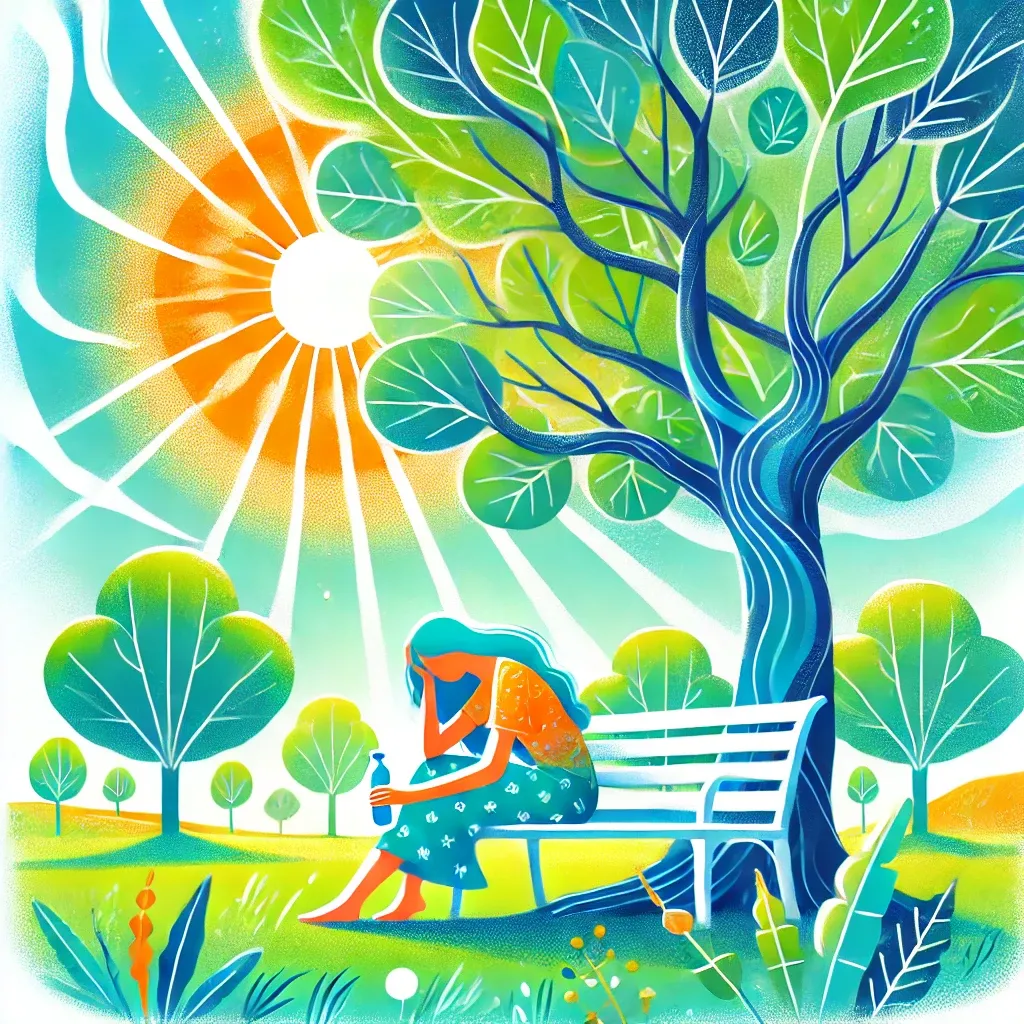
Why can UV cause fatigue?
UV is known for harmful effects on skin. Many guard against it because it causes spots, freckles and sunburn, but its effects are wider. UV can also directly contribute to fatigue. Let us look at why.
Effects of UV on the body
- Free-radical production UV generates free radicals, which attack cells and tissues and cause oxidative stress. This accelerates cellular ageing, damages different body areas and ultimately produces whole-body fatigue.
- Autonomic effects Absorbed UV also affects the autonomic system. Exposure through the eyes particularly affects the brain, its control centre, causing oxidative stress in nerve cells and potential imbalance. This is a major contributor to fatigue.
- Skin strain Skin produces melanin to protect against UV damage. Melanin causes spots and freckles, while damaged cells need repair, consuming the body's energy and contributing to fatigue.
- A trigger for mental fatigue UV entering the eyes stimulates the brain to work more actively than usual. Excess stimulation tires the brain and feels like whole-body fatigue, particularly after long periods in sunlight.
Preventing UV-related fatigue
- Use UV-protection items UV-blocking sunglasses, hats and parasols reduce direct exposure and are important for prevention.
- Eat antioxidant foods Foods with antioxidant action help reduce free-radical stress. Vegetables and fruit rich in vitamins C and E neutralise free radicals and help ease tiredness.
- Use sunscreen Apply sunscreen thoroughly to protect skin. Reapply frequently during long outings or strong sunlight to minimise damage.
- Plan rest well After UV exposure, secure enough rest. Closing the eyes in a quiet place helps reduce brain fatigue. Cooling the eye area also eases excessive stimulation and fatigue.
Protect against UV with sunglasses, hats and parasols
UV strains the body through skin and eyes, so proper protection is very important for reducing summer fatigue. Here are easy daily measures.
1. Use UV-blocking sunglasses
UV enters through the eyes and may affect autonomic function. Choose a high UV-blocking rate rather than simply dark lenses. Sunglasses blocking at least 99% of UV substantially reduce absorption through the eyes.
2. Wear a hat
A wide brim protects the whole face and neck from direct exposure and reduces UV entering the eyes. Combine with sunglasses for better protection. A brim of at least 7 cm is ideal for outdoor activity.
3. Guard against UV with a parasol
Parasols protect from direct sunlight and reflected UV. A black interior reduces reflected scattered light and protects more effectively. Carrying one regularly helps shield the body from strong summer sun.
These measures are easy to adopt, and continued use can substantially reduce summer fatigue.
Prevent heat fatigue and UV damage and enjoy summer
Both problems arise from summer's harsh conditions. Understanding their causes and acting appropriately minimises their effects.
1. Enough sleep and balanced meals
Secure sufficient sleep. Use air conditioning well and create a comfortable bedroom to improve quality. Balanced food matters too: ingredients rich in vitamins and minerals help maintain summer health.
2. Frequent hydration
Heavy sweating requires regular fluids. Sports drinks or mineral water are recommended to replace minerals too. Limit very cold drinks and choose room-temperature beverages to reduce digestive strain.
3. Thorough UV protection
Use the sunglasses, hats and parasols described above. Remember sunscreen to minimise direct skin exposure as well.
4. Find refreshment that suits you
Finding a way to refresh yourself that suits you also matters for reducing summer fatigue. Gentle exercise, stretching or time absorbed in a hobby releases emotional stress and eases fatigue. Relaxation such as a dry head spa refreshes both body and mind.
Severe heat continues this summer, but take steps to protect against heat fatigue and UV damage. Small daily changes in awareness can reduce tiredness and help you stay energetic. Protect your health and enjoy summer fully.

HITOYASUMI Dry Head Spa near Nagoya Station | Book here
Online reservations are accepted through this link.
Click to open the booking site.