2024
Aug
24
Can deeper breathing change your health? The benefits of paying attention to your breath

Every day, without thinking, we breathe.
Did you know shallow breathing can contribute to discomfort and stress? Simply paying a little attention and breathing more deeply can bring a surprising range of health benefits.
This article explains causes and effects of shallow breathing and practical ways to restore deeper breaths.
Read on if you want healthier days.
What happens when breathing is shallow?
Breathing sustains life, and we do it tens of thousands of times daily without thinking. Yet busy modern lives and stress often make it shallow without our noticing. Persistent shallow breathing can have various adverse health effects.
Reduced concentration
One of the clearest effects is reduced concentration.
The brain needs more oxygen than any other organ. When oxygen is insufficient, thinking slows and sustained focus becomes difficult.
Work and study efficiency and productivity can fall substantially. Because the brain also controls the autonomic system, prolonged oxygen shortage can disrupt that balance too.
Autonomic imbalance
Shallow breathing tends to encourage sympathetic dominance, keeping the body tense. If sustained, parasympathetic activity is suppressed and physical relaxation becomes difficult.
Sleep then becomes lighter and falling asleep harder. Poor appetite and unstable mood can also result from this imbalance.
Greater fatigue
Shallow breathing worsens circulation and prevents oxygen and nutrients reaching the whole body adequately. This reduces metabolism and increases fatigue.
Unusual tiredness at work or after exercise may partly reflect shallow breathing. If it persists, fatigue can become chronic.
Physical tightness and stiff shoulders or neck
Shallow breathing also affects muscle cells. Insufficient oxygen makes muscles more prone to stiffness and tension.
Neck and shoulder stiffness commonly troubles desk and phone users; shallow-breathing-related tension may contribute. Continued shallow breathing keeps muscles tight and makes fatigue more likely.
Why does breathing become shallow?
Causes are closely tied to daily life. Modern lifestyles and environmental factors strongly affect breathing. Here are the main reasons.
Stress
Stress is difficult to avoid in modern life. It triggers the fight-or-flight response, causing sympathetic dominance and physical tension. Breathing becomes shallow and fast, making efficient oxygen intake harder. Chronic stress can turn this into a habit that quietly harms health.
Desk work and posture
Long desk hours and phone use can worsen posture. Hunching or leaning forward compresses the chest and abdomen and obstructs breathing. Persistent posture tightens muscles in these areas and makes breathing shallow. People sitting for work or study should consciously straighten posture and deepen breaths.
Inactivity
Insufficient movement weakens the respiratory muscles, making deep breathing difficult. Weakened muscles cannot draw enough oxygen in, resulting in shallow breaths. Inactivity also worsens circulation, reduces nutrient and oxygen delivery and lowers metabolism, increasing tiredness and potentially worsening health.
Modern habits
Technology and lifestyle changes have reshaped habits. Long desk hours, phones and tablets, inactivity and stress create conditions for shallow breathing. Continuing them makes it normal and can quietly undermine health.

Simple ways to improve shallow breathing
We have seen how shallow breathing can affect daily life. Fortunately, small daily habits can improve it. Here are several approaches anyone can practise.
Stretch the breathing muscles
First, it is important to keep the muscles involved in breathing flexible. Stretching loosens the chest, shoulders and back and makes breathing easier. Try these in the morning, before bed or during a short break.
- Shoulder stretch
Raise the shoulders while inhaling, then rotate them back to their original position as you exhale. Repeat several times to release tension and encourage deeper breathing.
- Chest stretch
Clasp the hands behind you and inhale slowly. Exhale while drawing shoulder blades together and opening the chest, extending arms diagonally downwards. Looser chest muscles expand the rib cage and deepen breathing.
- Back stretch
Bend the knees slightly and lightly clasp hands in front of the chest. Inhale slowly while extending arms forward, then bring them back as you exhale. This stretches back muscles and makes breathing easier.
These simple movements take two or three minutes and fit readily into busy life.
Use abdominal breathing
Making abdominal breathing a habit is also effective for improving shallow breathing. Let the abdomen expand as you inhale and contract as you exhale. This supplies oxygen efficiently throughout the body and encourages relaxation.
- How to practise: Exhale slowly over six seconds, noticing the abdomen draw inward and focusing especially on breathing out. Then inhale slowly through the nose over three seconds and feel the abdomen expand. Repeat about five times daily and gradually increase the repetitions.
This is especially useful when stressed or wanting to relax. As deep breathing becomes natural, it eases daily stress and supports physical and emotional balance.
Experience deep breathing and relaxation at HITOYASUMI
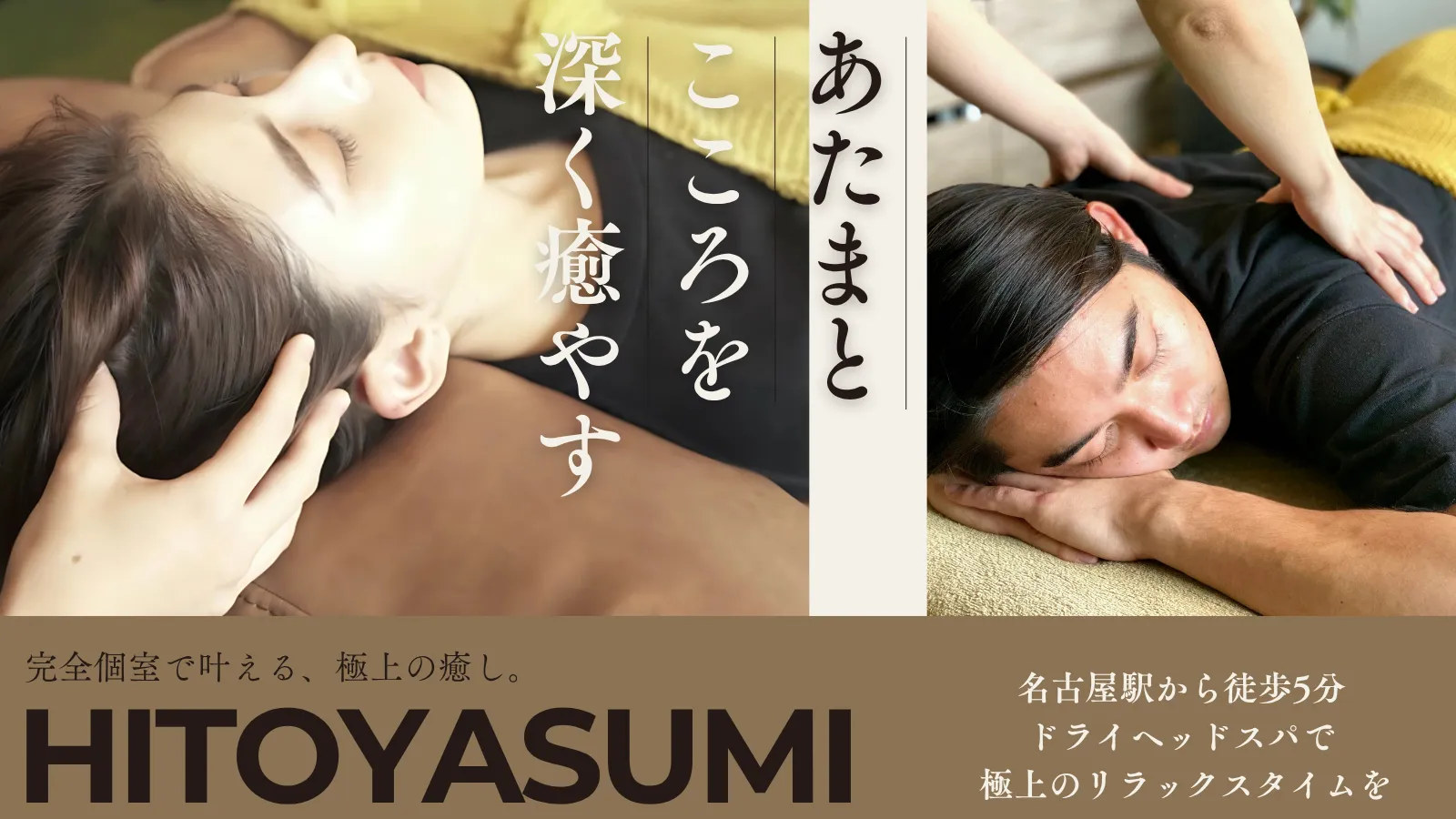
Alongside everyday care, professional help to deepen relaxation is very effective in improving shallow breathing and supporting health. HITOYASUMI offers treatment to encourage deep breaths and maximise physical and emotional relaxation.
A head spa to loosen breathing muscles
HITOYASUMI carefully loosens muscles from the head through shoulders, neck and back. These function as breathing muscles and often tighten under daily stress. Releasing them allows naturally deeper breaths and comfortable relaxation.
Guests often tell us, “I slept soundly after treatment” or “I relaxed and my head felt clear.”HITOYASUMI's head spa is one useful way to improve shallow breathing and support whole-body balance.
A soothing space surrounded by green
HITOYASUMI is designed as a nature-filled, soothing space. Abundant greenery calms the mind and enhances relaxation. Treatment in this environment encourages deeper breathing and may reduce stress. In quiet surroundings, settle your breath slowly and enjoy time with yourself.
Treatment for your concerns
HITOYASUMI tailors treatment to each guest. Whether stiff shoulders, a tight neck or stress-related shallow breathing concerns you, appropriate care eases fatigue in body and mind. Our aim is for deep breathing to become natural and improve everyday quality of life.
Final thoughts
Breathing is unconscious, but its depth and quality strongly affect health. Shallow breathing can cause poor concentration, autonomic imbalance, easy fatigue and muscular stiffness. Small changes in awareness and daily habits can deepen it and improve these problems.
Simple respiratory-muscle stretches and abdominal breathing help deeper breaths become natural and restore balance. HITOYASUMI also offers treatment to deepen breathing and relaxation, useful for releasing daily stress and fatigue.
Reviewing and consciously deepening everyday breathing is important for protecting health. HITOYASUMI treatment can complement a daily effort to breathe more deeply, refreshing the mind as well as the body for more fulfilling days.
HITOYASUMI Dry Head Spa near Nagoya Station | Book here
Online reservations are accepted through this link.
Click to open the booking site.