2024
Sep
14
Could teeth clenching be causing your headaches? Causes and ways to help

For some people with headaches, teeth clenching may be an unexpected contributing cause. This article explains how clenching affects headaches and what can be done about it.
What are clenching-related headaches?
Headaches have many causes. Apart from illness and injury, common examples include migraines associated with pressure changes and tension headaches linked to a stiff neck or shoulders. Too little sleep and eye strain can also cause headaches. One often overlooked factor, however, is teeth clenching.
Signs of clenching
- Waking with a heavy, squeezing pain around the head
- Noticing that you unconsciously press your teeth together during the day
If these sound familiar, clenching may be contributing to your headaches. Unconsciously pressing the teeth together hard can worsen headaches and neck and shoulder stiffness.
What is teeth clenching?
“Teeth clenching” means unconsciously pressing the teeth firmly together while asleep or concentrating. The force can be surprisingly strong and is said to reach 10 to 15 times your body weight.
The normal resting position of the teeth
Normally, the upper and lower teeth should not touch except during eating and speaking. They are said to be in contact for only about 20 minutes a day. With clenching, however, prolonged strong force on the teeth can adversely affect the head, neck and shoulders.
What causes clenching?
Several factors may explain why clenching happens.
1. Bite problems
An uneven bite can cause some teeth to make strong contact, making grinding and clenching during sleep more likely. A poorly aligned bite often leads to habitual firm clenching.
2. Stress
Stress is a major cause. Lighter sleep leaves the body tense and more likely to apply force unconsciously. One theory also suggests that clenching during sleep is a way of releasing stress.
3. Habits
A daily clenching habit, including pressing the teeth together during sports or exercise, can persist into sleep and make clenching or grinding more likely.
The effects of clenching
Persistent clenching can have various adverse effects on the body.
1. Effects on the teeth and jaw
- Tooth damage: teeth may chip or roots may fracture.
- Sensitivity: strong tooth contact can cause sensitivity.
- Temporomandibular disorders: constant jaw-muscle tension can cause pain or dysfunction in the jaw joint.
2. Headaches and stiff shoulders
The muscles used in clenching extend from the jaw to the head, neck and shoulders. Persistent clenching can therefore lead to headaches, neck and shoulder stiffness, chronic fatigue and insomnia.
Ways to manage and improve clenching
Several approaches can reduce the effects of clenching.
1. Using a mouthguard
The first important step is to consult a dentist. A dentist can make a mouthguard to wear while sleeping. It reduces strain on the teeth and eases muscular tension, and may also reduce the risks of neck and shoulder stiffness, headaches and jaw-joint problems.
2. Loosening muscles with massage
Simple massage at home
Gentle massage around the jaw can ease the effects of clenching. Use the index, middle and ring fingers to massage the surrounding muscles lightly and release tension. Doing this daily can make opening and closing the jaw smoother and help prevent a prominent-looking jawline.
Professional treatment
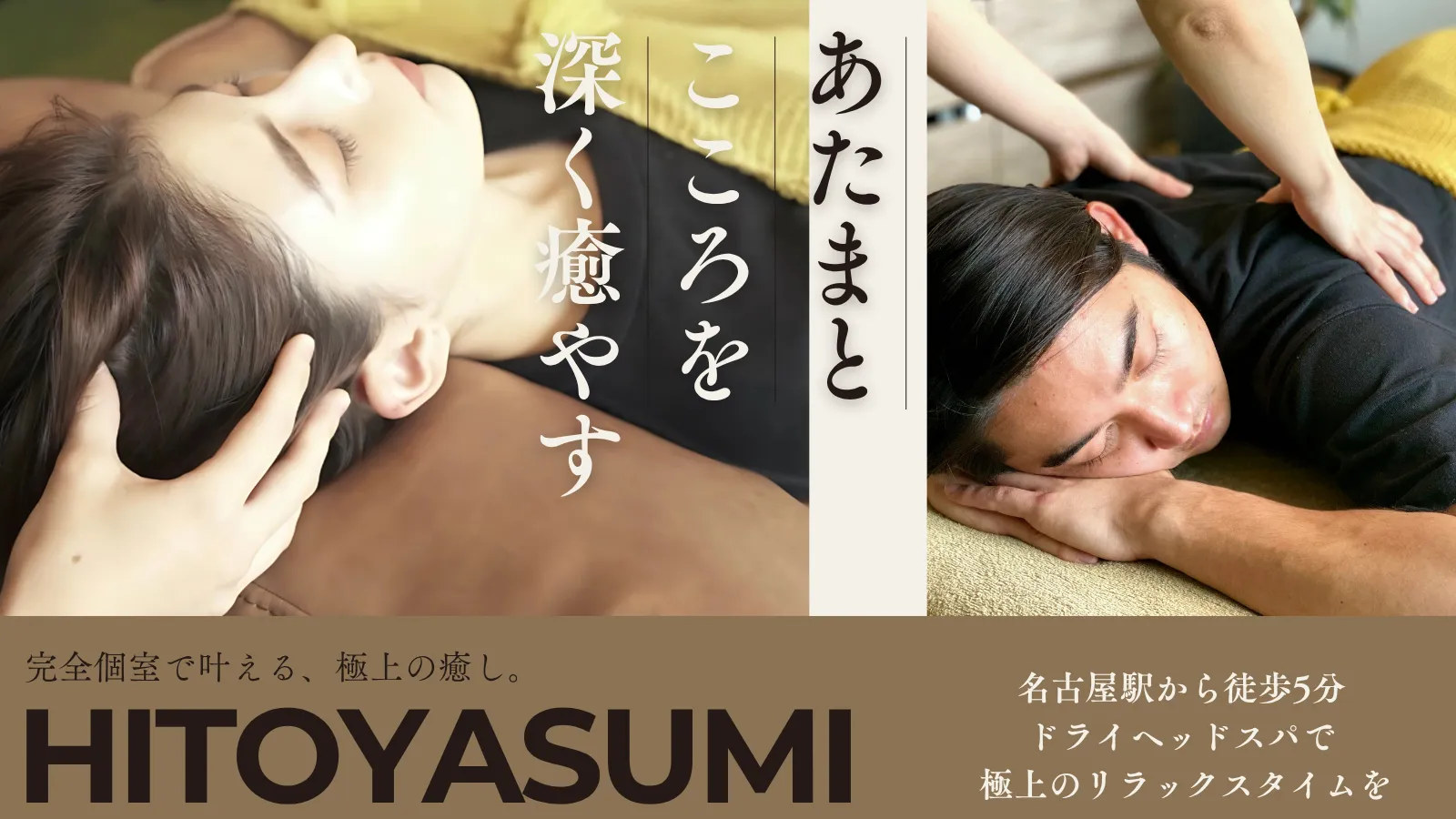
Massage through a dry head spa is another effective way to loosen muscles tightened by clenching. At our salon, we carefully loosen the neck and shoulders before moving to the scalp. We focus especially on the tense temporalis muscles and temples to help with headaches and insomnia. Relaxing treatment that targets pressure points can balance the autonomic nervous system and refresh body and mind.
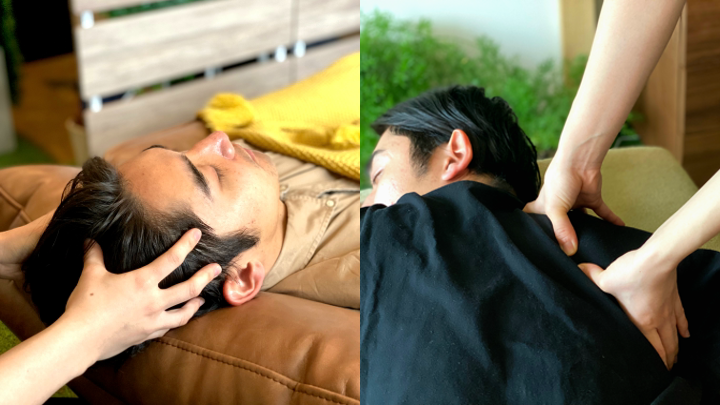
Relax with a dry head spa while addressing discomfort
Our salon, HITOYASUMI, offers dry head spa treatments to ease headaches and neck and shoulder stiffness caused by clenching. Experienced therapists tailor treatment to your concerns and provide a comfortable, relaxing experience.
Book now and take a step towards relief from the unpleasant effects of clenching.
We support relaxation and health with care suited to each guest.
Final thoughts
“Teeth clenching” is one possible cause of headaches, neck and shoulder stiffness and other discomfort. Because it happens unconsciously, it can be hard to notice, yet it may affect the teeth, jaw and whole body. Try suitable measures such as everyday stress management, massage and a mouthguard to live more comfortably.
At HITOYASUMI, our dry head spa treatments aim to improve discomfort associated with clenching. Visit us to support both health and relaxation.
HITOYASUMI Dry Head Spa near Nagoya Station | Book here
Online reservations are accepted through this link.
Click to open the booking site.