2025
Feb
22
Supporting autonomic balance with dry head spa

Introduction
“I haven’t been sleeping well lately.” “I often get headaches.” “Work stress makes it hard to recover from fatigue.” If these sound familiar, autonomic imbalance may be involved. Desk work, relationships and excessive smartphone use expose us to varied stressors, making it easy to lose the balance between sympathetic and parasympathetic activity. When autonomic balance is disturbed, light sleep and headaches become more likely.
At such times, consider trying dry head spa: a treatment that massages the scalp without oil or water to encourage relaxation and circulation. Recent research suggests that releasing head, neck and shoulder tension favors parasympathetic activity and may help reduce stress hormones and improve sleep quality.
Drawing on recent medical papers and expert views, this article explains how autonomic imbalance causes insomnia and headaches and how dry head spa may support improvement. It also offers practical advice for highly stressed people, especially professionals in their 30s to 50s, plus precautions and situations requiring a doctor. Read on for ideas for health management and self-care.
Autonomic nervous system basics and its relationship with stress
Sympathetic and parasympathetic roles
The body contains a neural network called the autonomic nervous system that operates outside conscious awareness. Its two main divisions, sympathetic and parasympathetic, divide their roles as follows.
- Sympathetic nervous system, SNS
The sympathetic nervous system provides the “fight-or-flight” response to stress or emergencies. It puts the body into action mode by raising heart rate and blood pressure, increasing breathing rate and dilating the pupils. - Parasympathetic nervous system, PNS
The parasympathetic nervous system, by contrast, supports rest and relaxation. It lowers heart rate and blood pressure, promotes digestion and gently restores mind and body.
These divisions normally balance like a seesaw, switching activity with environmental changes and day-night rhythms. Busy modern life and psychological stress can upset that balance. If sympathetic activity remains dominant, parasympathetic recovery cannot work fully, increasing risks of discomfort and disease.
How chronic stress disrupts balance
- Excess cortisol and noradrenaline
Stress activates the hypothalamus–pituitary–adrenal cortex pathway, or HPA axis, releasing stress hormones such as cortisol and noradrenaline. Normally this is temporary and settles when the stressor passes. With chronic stress, however, hormone release continues and sympathetic arousal persists, making sleep disorders and reduced immunity more likely. - Reduced parasympathetic recovery
When sympathetic activity is always dominant, the parasympathetic “brake” becomes less effective. Heart-rate control and suppression of inflammation become insufficient, encouraging a vicious cycle of nonspecific symptoms such as headaches, dizziness and fatigue.
What is autonomic dysfunction?
“Autonomic dysfunction” is a collective term for diverse symptoms caused by an imbalance of sympathetic and parasympathetic activity. Typical symptoms include insomnia, headaches, tight shoulders, tinnitus, palpitations and dizziness. Some of these symptoms are particularly prone to becoming chronic in professionals exposed to stressful environments over long periods.
Specific links with insomnia and headaches
Stress reactions causing insomnia
- Difficulty sleeping from hyperarousal
Insomnia is often thought to mean only being unable to sleep at night, but the body is actually in a state of excessive arousal throughout the full 24 hours. Stress causes excessive cortisol and noradrenaline release, keeping mind and body in sympathetic-dominant mode. The brain stays stimulated even in bed, causing difficulty falling asleep or repeated waking during the night. - Disrupted sleep hormones
People with insomnia are also more likely to have disrupted secretion rhythms of melatonin, needed at night. Excessive cortisol and sustained sympathetic tension can delay or reduce melatonin, leaving them unable to sleep at the time they should be moving into relaxation mode.
Causes of tension headaches and migraines, and their relationship with stress
- Tension headache
A common example is tension headache, characterized by a feeling of tight pressure around the whole head. In many cases, stress-related sympathetic dominance keeps neck and shoulder muscles tense, impairing circulation and causing pain. - Migraine
Migraine is closely related to stress and the rhythms of blood-vessel dilation and constriction. A rebound after stress or hormonal imbalance may abruptly dilate brain vessels and produce throbbing pain. Excessive sympathetic activity can also sensitize the trigeminal system, making pain easier to trigger and attacks more frequent or severe.
Recent research on the vicious cycle of insomnia, headaches and stress
Recent reviews and clinical studies emphasize a vicious cycle: chronic stress, involving disruption of the HPA axis and autonomic system, worsens insomnia and headaches, which then cause further stress. Medication and temporary symptomatic care therefore have limits, and increasing numbers of experts describe underlying stress management and autonomic balance as essential.
How dry head spa supports balance
Relaxation and parasympathetic activation
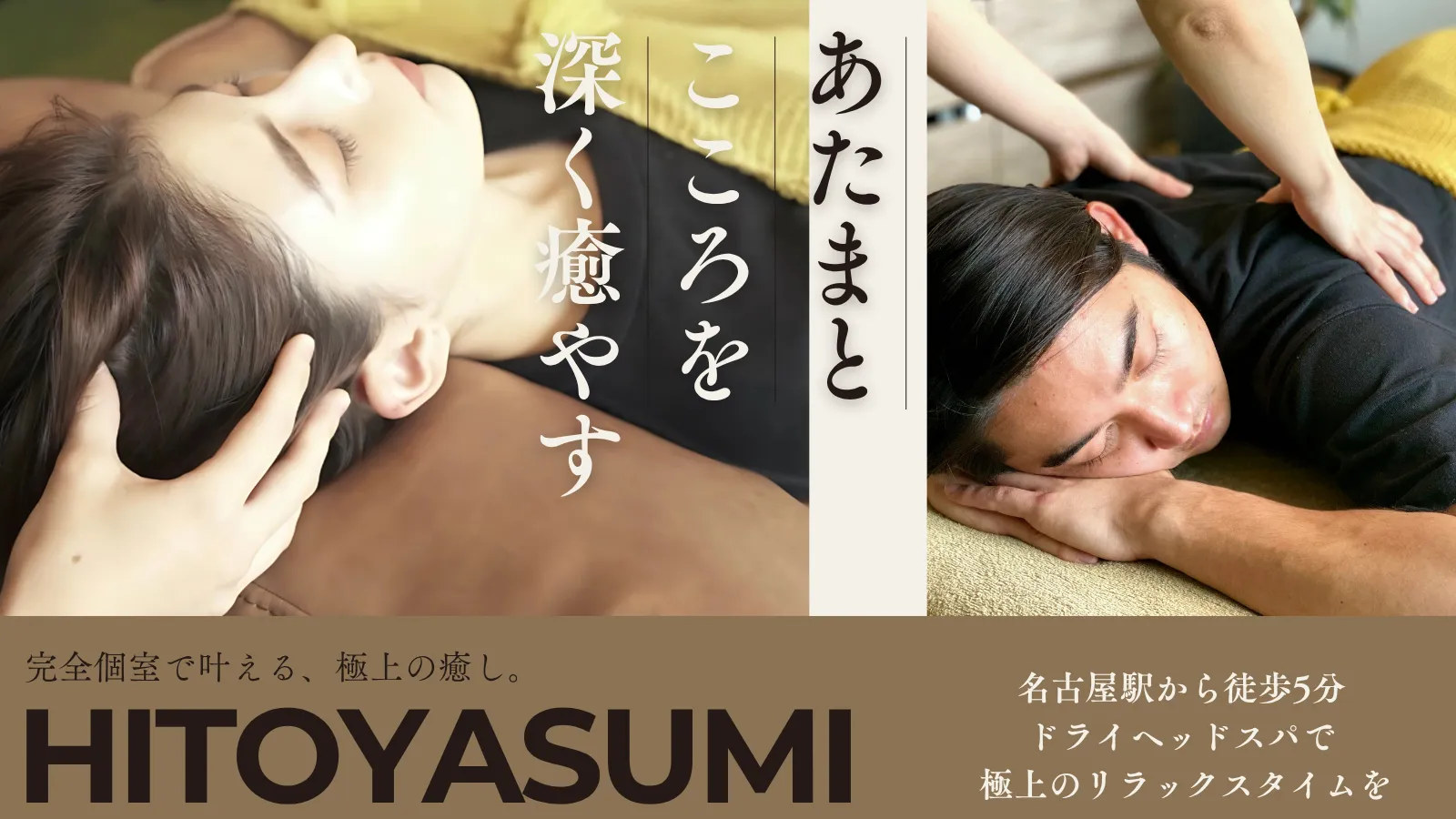
Dry head spa uses hands-on techniques to loosen the scalp and areas around the neck and shoulders without water or oil.
- Parasympathetic dominance
During head massage, the high-frequency component, HF, of heart-rate variability rises, confirming a significant increase in parasympathetic activity. Rhythmic stimulation from the therapist’s hands creates reassurance and calms excessive sympathetic arousal. - Increased serotonin and dopamine
Some research suggests scalp massage may increase secretion of serotonin, involved in emotional stability, and dopamine, involved in pleasure and motivation. These neurotransmitters support relaxation and positive mood.
Relieving pain and fatigue through better circulation and muscle relaxation
- Head and neck circulation
Stress and poor desk-work posture leave muscles and vessels in the head, neck and shoulders persistently tense. Loosening these tight muscles through dry head spa improves circulation to the head, allowing smoother delivery of oxygen and nutrients. - Myofascial release for headaches
Gently releasing fascia at the back and sides of the head through pressure or stretching can sometimes ease chronic tension headaches. It may also help symptoms such as heaviness behind the eyes or temple pain from desk work.
Effects on cortisol, noradrenaline and other hormones
- Lower stress hormones
Massaging the scalp and neck has been reported to suppress excessive sympathetic activity. Studies have found significantly lower cortisol, a stress hormone, after a period of scalp massage. It may also help lower noradrenaline, adrenaline and other hormones that keep the body tense. - Deep relaxation for brain fatigue
As sympathetic activity settles, the brain can move more easily from alert mode to relaxation mode, helping organize thoughts and recover from mental fatigue. This is thought to create a body state more conducive to sleep—parasympathetic dominance—and support improvement in insomnia.
Specific potential benefits of dry head spa
- Better sleep quality
It may help not only with falling asleep but also with increasing sleep depth. - Less headache and shoulder tension
Releasing tight muscles and improving poor circulation eases discomfort from tension headaches and shoulder stiffness. - Stress relief and refreshment
Many people report a clearer head and lighter mood after treatment, with benefits for mental well-being too. - Better work performance
For professionals in their 30s to 50s in particular, relief from head and eye fatigue can make it easier to improve concentration and productivity.
Practical advice for sleep and headaches
Common problems for professionals in their thirties to fifties
- Long desk-work hours
Long hours at a desk strain the neck, shoulders and eyes and can contribute to persistently high stress hormones. - Chronic sleep loss and irregular routines
Overtime, late nights and sleeping in on days off disrupt the body clock and encourage insomnia. - Heavy psychological pressure
Deadlines, responsibility and relationships with supervisors or subordinates create continuous pressure that constantly activates the sympathetic nervous system.
Everyday autonomic care: stretching, breathing and more
- Abdominal breathing and meditation
Abdominal breathing—slowly inhaling through the nose and exhaling through pursed lips—can encourage parasympathetic dominance. About five minutes of simple meditation is also effective. - Light exercise and stretching
Make stretching during desk-work breaks a habit: circle the shoulders or neck and extend the arms to reduce muscle tension. Walking and light strength training can also support autonomic balance. - Digital detox before bed
Blue light from phones and computers readily stimulates sympathetic activity. Avoid screens for an hour before bed or use night mode.
Using dry head spa effectively
- Check the treatment details and areas covered
Treatment areas and pressure differ between salons. Describe specific concerns, such as wanting relief from insomnia or headaches, or severe neck and shoulder stiffness. - Regular care
Regular treatment, rather than a single visit, is important for experiencing the effects. Many people begin at once or twice a week. - Choosing the time of day
If you want to go home relaxed, late afternoon or evening after work is recommended. Morning treatment, on the other hand, can sometimes clear the head and improve work efficiency.
Frequency and timing
- Once or twice weekly as a guide
Overly frequent sessions can strain time and budget, but around once or twice weekly can balance stress relief with preventive care. - Before fatigue peaks
Regular care before fatigue or stress has visibly accumulated can help prevent major discomfort.
Precautions and when to seek medical care
When to postpone
- Fever or feeling unwell
When immunity is low, stimulation may worsen symptoms, so waiting until you recover is safer. - Scalp inflammation or wounds
Massage could worsen the condition. Wait until the inflammation or injury has fully healed. - Pregnancy, especially middle to late stages
Some salons may decline treatment during pregnancy. Consult your doctor and choose a salon offering maternity services.
Making the most of treatment
- Hydrate well
Circulation improves after treatment; consciously drinking water or tea can encourage removal of waste products. - Let your therapist know what pressure feels right
Excessively strong massage may overstimulate muscles or nerves and trigger headaches. Moderate pressure that feels comfortably sore is best. - Get enough rest
Relaxation often leaves you sleepy after treatment. If possible, go to bed early that night to enhance the benefit.
Signs that insomnia or headaches need medical advice
- Frequent insomnia lasting a month or more
If you cannot sleep at least three nights a week for a month or more, or daytime activity is markedly impaired, chronic insomnia rather than simple lack of sleep is likely. Seek specialist advice and tests at a psychosomatic medicine or sleep clinic. - Sudden severe headache or neurological symptoms
Pain unlike anything you have experienced, or headache with altered consciousness, seizures, one-sided weakness or numbness, may indicate serious conditions such as cerebrovascular disease or meningitis. Seek urgent medical attention. - Medication is becoming less effective or headaches more frequent
If symptoms persist or worsen beyond control with over-the-counter or prescribed medicines, consider reassessment and treatment by a headache specialist or neurologist.
Other checks to consider
- Blood tests
Other conditions, such as hyperthyroidism or anemia, can underlie insomnia and headaches. A blood test can help provide reassurance. - Possible sleep apnea, SAS
Loud snoring or reports that breathing stops during sleep may mean sleep apnea is preventing deep sleep. Specialist testing is an option.
Conclusion: reset autonomic balance with dry head spa for more comfortable days
Dry head spa is an accessible relaxation option for people today, whose autonomic balance is easily disrupted. Carefully loosening the head, neck and shoulders may offer these benefits:
- Better sleep: Increased parasympathetic activity eases difficulty falling asleep and waking during the night.
- Less headache and shoulder tension: Improved circulation and reduced muscle tension address underlying sources of pain.
- Lower stress hormones: Reduced cortisol and noradrenaline support mental refreshment.
- Better work performance: Relief from brain fatigue improves concentration and efficiency.
However, this remains support through relaxation; leaving a condition that needs medical treatment unattended is dangerous. For long-term insomnia or severe headaches, see a specialist to identify the cause, then consider dry head spa alongside appropriate care.
Begin self-care and regular professional care
- Review routines: Frequent stretching, a digital detox before bed and abdominal breathing are ways to care for yourself.
- Salon care: Regular dry head spa for deep relaxation and an autonomic reset.
- Medical coordination: Prioritize professional diagnosis if troubling symptoms do not improve or suddenly become worse.
If a heavy head, insomnia or stress-related irritability troubles you, consider trying dry head spa. Listen carefully to your body and combine suitable rest with specialist support to help maintain your best mental and physical condition in a busy world. Support autonomic balance and work toward comfortable days free from insomnia and headaches.
References and sources
- Chronic Stress and Headaches: The Role of the HPA Axis and Autonomic Nervous System. Biomedicines (2025).
Link - Stress and Sleep Disorder. PMC.
Link - Chronic stress puts your health at risk - Mayo Clinic
Link - Cortisol decreases and serotonin and dopamine increase following massage therapy. PubMed.
Link - Physical and Psychological Effects of Head Treatment in the Supine Position Using Specialized Ayurveda-Based Techniques - PMC.
Link
We hope this article helps you understand dry head spa’s relaxation benefits and points requiring care, and encourages self-care or professional consultation suited to your own condition. We wish you healthy days ahead.