2025
Mar
22
Rainy-season headaches and weather-related symptoms: dry head spa care

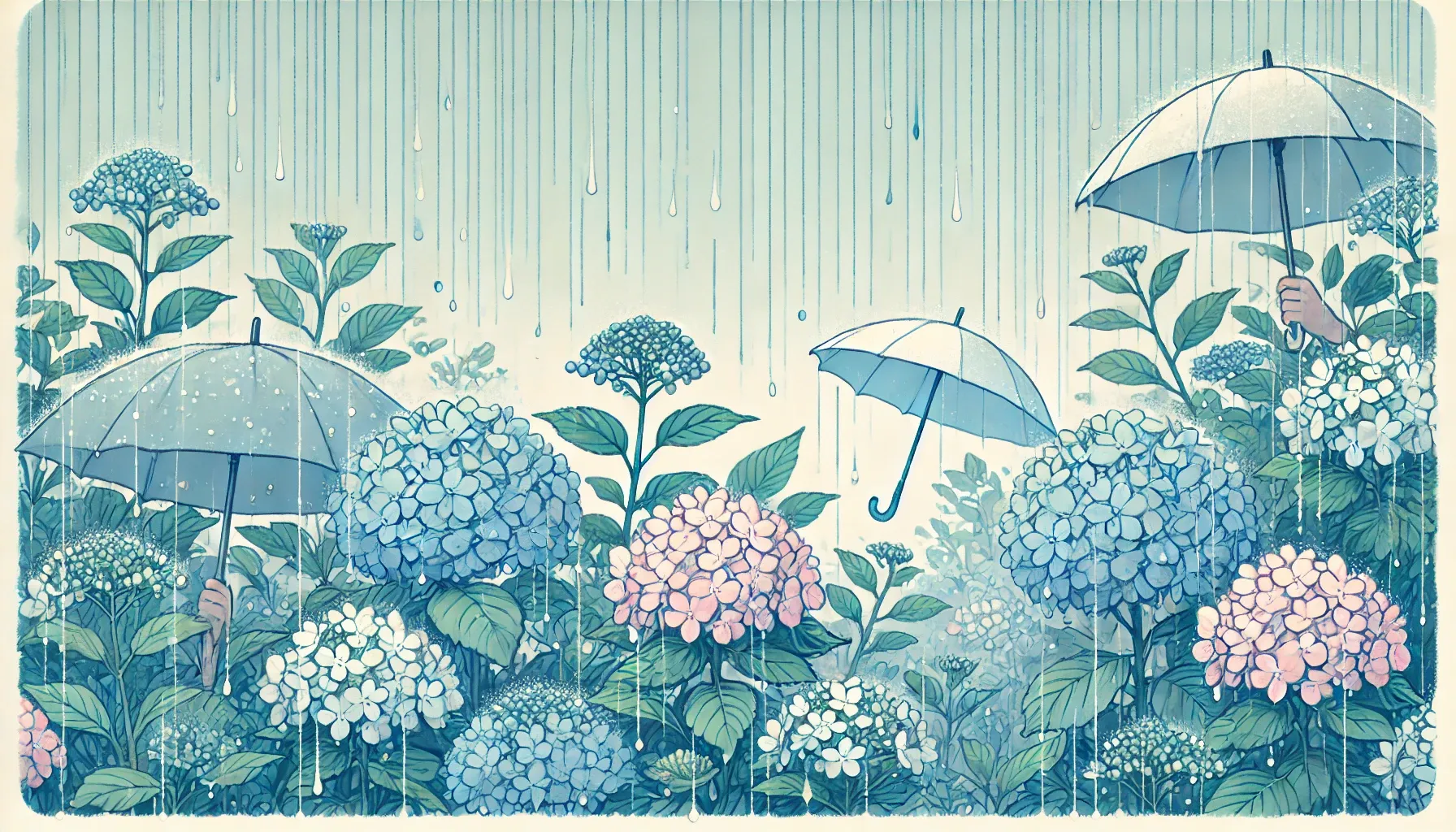
In the damp rainy season, do you find yourself feeling generally unwell, with a heavy head or stiff shoulders? It may be more than ordinary fatigue: it could be “weather-related illness or weather pain.”
Japan’s rainy season brings low pressure and high humidity, making it a testing time for people with weather-related illness. Drawing on scientific evidence, this article explains the basics, how dry head spa can ease symptoms, and the special treatments at HITOYASUMI, five minutes from Nagoya Station.
What is weather-related illness?
Weather-related illness is a collective term for physical discomfort triggered by changes in atmospheric pressure, humidity, temperature and other weather conditions. It is also called “weather pain” or “weather sickness.”
Main symptoms
- Headaches or dizziness.
- General fatigue or sluggishness.
- Tight shoulders or joint pain.
- Low mood or irritability.
- Tinnitus or sleepiness.
- Poor concentration
Weather-related symptoms in Japan
Weather-related illness is a real bodily response, not something imagined. A nationwide survey found that around 64.6% of Japanese people had experienced it, with women affected about two to three times as often as men, roughly a 7:3 ratio. Regional differences are substantial: some data show that about 80% in Shimane Prefecture have experienced it.
Headache is the most common symptom: the national average for weather-related headaches was 67.1%, reaching 86.1% in Kyoto Prefecture. Weather-related mental discomfort, such as low mood, also varied regionally, highest in Akita at 73.2% and lowest in Hiroshima at 43.9%.
How it differs from usual headaches or tension
The key difference between weather-related symptoms and ordinary headaches or shoulder stiffness is that their timing is linked to weather changes. For example:
- Headache as low pressure approaches.
- Old injuries aching before rain.
- Tinnitus with pressure changes.
When symptoms coincide with weather changes in this way, weather-related illness is more likely.
Why rainy-season symptoms worsen
Weather-related illness is particularly likely during the rainy season, and there are scientific reasons for this.
Pressure-change mechanisms
Changes in atmospheric pressure, especially drops, affect the body in several ways. A central role is played by the inner ear, deep inside the ear. Besides hearing and balance, it acts as a sensor for changes in air pressure.
When pressure falls, the inner ear detects the change and passes the information to the brain, disturbing autonomic balance. Falling pressure can also dilate blood vessels and stimulate surrounding nerves, causing headaches.
During the rainy season, stationary fronts and frequent low-pressure systems make these symptoms more likely.
Rising humidity
Rising humidity, a hallmark of the rainy season, also affects the autonomic nervous system. Research finds that higher humidity significantly increases sympathetic activity, the “tension mode,” while reducing parasympathetic activity, the “relaxation mode.”
In high humidity, sweat evaporates less easily, impairing temperature regulation. Studies also show strong correlations between skin moisture and discomfort, sensations of dampness, and salivary amylase activity, a stress indicator.
Weather fronts and symptoms
Symptoms are also closely related to passing weather fronts. Weather-related illness forecast maps broadcast in German weather reports indicate the following:
Cold fronts: high blood pressure, angina, rheumatism, arthritis, asthma and abdominal pain are among the predicted conditions.
Warm fronts: low blood pressure, thrombosis, heart trouble, headaches, reduced concentration and low mood are among the predicted conditions.
Also take care when the maximum temperature falls by at least 5°C from the previous day, or when the day’s high and low differ by at least 10°C, as these conditions can make you feel unwell.
Who is more susceptible?
Weather-related illness can affect anyone, but some characteristics make people particularly susceptible.
Why working women in their 30s to 50s are more susceptible
Possible reasons why working women in their 30s to 50s are especially susceptible include:
- Physiological factors:
More sensitive inner-ear pressure sensors than men; less muscle mass and therefore weaker temperature regulation; and larger hormonal changes, such as during menstrual cycles, after childbirth and around menopause.
- Environmental factors:
Long periods in the same desk-work posture; eye strain from prolonged computer or smartphone use; and extended time in air-conditioned rooms.
People in their 40s and 50s around menopause can be particularly vulnerable to weather changes because a rapid decline in female hormones makes autonomic balance more easily disrupted.
Existing conditions
People with existing health problems tend to be more strongly affected. Take particular care if you have any of the following:
- Rheumatism, migraine, back pain, fibromyalgia or other chronic pain.
- Autonomic dysfunction.
- Heart disease or low blood pressure.
- Asthma or allergies.
Autonomic dysfunction and weather-related illness have a particularly strong correlation and affect one another. Weather changes often worsen symptoms in people with autonomic dysfunction, and medical providers are increasingly treating people diagnosed with both conditions.
Stress and habits
Stress tends to make sympathetic activity dominant in modern life, leaving people more vulnerable to weather changes. The following habits also increase susceptibility:
- Too little sleep.
- An unbalanced diet
- Inactivity
- Long phone or computer use.
These factors disrupt autonomic balance and reduce the body’s ability to adapt to weather changes.
Scientific evidence for dry head spa’s effects on weather-related illness
Scientific findings show that dry head spa can help improve weather-related illness symptoms.
Autonomic effects
Research confirms that all basic scalp-massage techniques activate parasympathetic activity and lower pulse rate. Brain-wave measurements also show that dry head spa increases the activity of serotonin, a neurotransmitter associated with happiness, to about 3.5 times that of ordinary treatment.
Measurements before and after sleep-promoting dry head spa also confirm an increase in parasympathetic activity from 5.6 to 6.2. This brings relaxation responses including blood-vessel dilation, lower heart rate and deeper breathing.
Circulation and symptom relief
Improving circulation around the inner ear is especially important for weather-related illness. Ear massage encourages blood flow in that area and may ease symptoms.
Because dry head spa promotes circulation throughout the scalp, it can also improve flow around the inner ear and may adjust sensitivity to pressure changes. Adding neck and shoulder massage can also help ease tension headaches associated with stiffness in those areas.
Specific effects
- Better oxygen and nutrient delivery through improved circulation
- Reduced muscle tension.
- Suppressed secretion of the stress hormone cortisol
- Improved sleep quality
- Fatigue recovery.
- Headache relief.
These effects directly relate to easing many symptoms of weather-related illness.
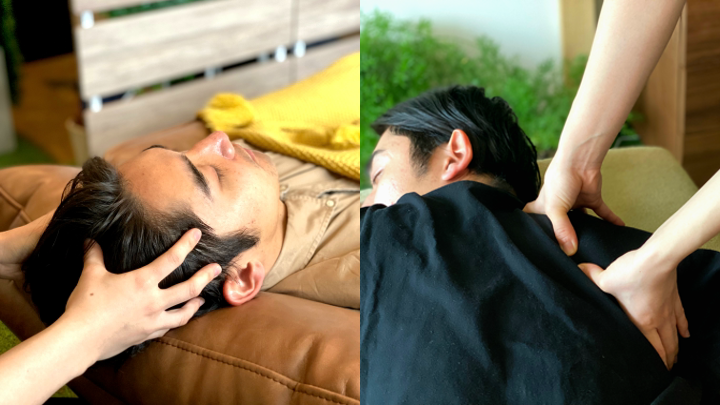
HITOYASUMI’s dry head spa for weather-related illness
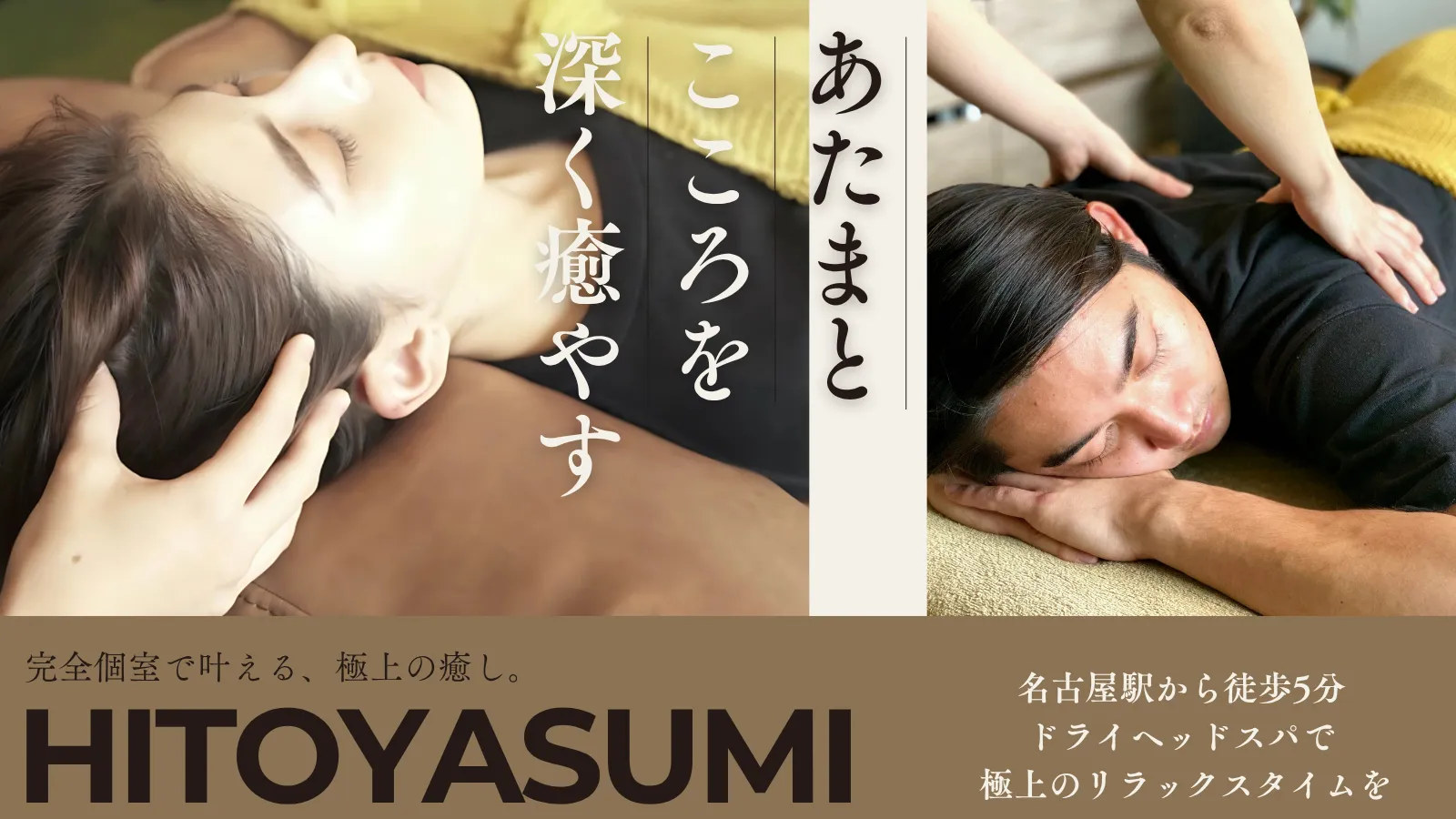
“HITOYASUMI”, a dry head spa specialist five minutes on foot from Nagoya Station, offers treatments specifically designed for weather-related illness.
Areas of treatment for weather-related symptoms
HITOYASUMI’s dry head spa pays particular attention to the following treatment points for weather-related illness:
- Massage around the ears to improve inner-ear circulation.
- Cranial adjustment to restore autonomic balance
- Relaxing the neck and shoulders to help prevent tension headaches.
- Comprehensive care for whole-body fatigue.
Treatment process
Treatment takes place in fully private rooms within an extraordinary, plant-filled setting inspired by “dozing in a forest or by the sea.” The basic sequence is:
- Consultation to discuss your condition and any symptoms of concern.
- Dry head spa: scalp massage and cranial adjustment
- Optional treatments for tired shoulders, back and other areas of the body.
Frequency for best effects
Regular visits are recommended to get the most from dry head spa.
- General suggestion: once every two weeks to one month, in line with the scalp’s roughly 28-day renewal cycle.
- Rainy-season suggestion: around once a week, according to how readily symptoms appear.
Effects usually last one to two weeks, but regular treatment is effective for maintaining autonomic balance.
Weather-related symptom care at home
Even when professional treatment is unavailable, incorporating home care can help ease symptoms.
Ear massage, around three times daily
- Gently pull both earlobes up, down and sideways, then release after about five seconds.
- Fold the ears and hold for five seconds.
- Cover the ears with the palms and make five backward circles.
Towel exercise
- Drape a towel around your neck, hold both ends and pull diagonally forward and upward.
- Raise your gaze, relax your neck and let the towel support it while breathing for ten seconds.
- Keeping your neck supported by the towel, move your chin up and down ten times.
Twelve-second breathing
- Inhale slowly through the nose for four seconds.
- Hold your breath for four seconds.
- Exhale slowly through the mouth for four seconds.
- Repeat five to ten times.
Daily habits for weather changes
To prevent or reduce rainy-season weather-related illness, everyday habits that support autonomic balance are important.
Rainy-season prevention habits
- Get morning sunlight: sunlight resets the body clock and promotes production of sleep-supporting melatonin. Make a habit of opening the curtains and getting natural light when you wake.
- Regular meals: aim for three regular meals a day. Breakfast is particularly important for raising body temperature and waking the body.
- Moderate exercise: exercise helps the body switch from sympathetic to parasympathetic activity. Start with simple stretches and gradually increase intensity.
- Limit bedtime phone use: blue light from phones and televisions stimulates sympathetic activity and lowers sleep quality. Avoid their use for the 90 minutes before bed.
- Bathing: soaking slowly in lukewarm water, 38–40°C, helps balance the autonomic nervous system.
Use weather forecasts to plan ahead
Weather apps can help you identify periods of increased risk in advance and prepare accordingly:
- Zutool (頭痛ーる) app: forecasts periods when pressure changes may cause discomfort, using three levels—slight caution, caution and alert.
- Weathernews’ Weather Pain Forecast: predicts weather-pain risk up to six days ahead on a four-level scale.
On high-risk days, avoid overloading your schedule, pay attention to sleep and meals from the previous day, and consider arranging care such as dry head spa.
Indoor environment
Indoor conditions also matter during the rainy season:
- Temperature and humidity: aim for around 25°C and 50% relative humidity.
- Humidity management: mites and mold grow more readily above 60% humidity, so use a hygrometer and take advantage of a dehumidifier or air conditioning.
- Ventilation: when possible, open diagonally opposite windows for effective ventilation.
- Lighting: choose lighting close to natural daylight without excessive brightness.
Conclusion: a comfortable rainy season through knowledge and care
Weather-related illness is a scientifically explainable bodily response, not imagination. Pressure changes and rising humidity can worsen symptoms during the rainy season, but appropriate knowledge and measures can keep their impact to a minimum.
Dry head spa can ease symptoms by supporting autonomic balance and circulation around the inner ear. HITOYASUMI, five minutes from Nagoya Station, offers care specifically for weather-related illness. If rainy-season discomfort troubles you, consider trying it.
Combine treatment with everyday prevention and self-care at home, and enjoy healthy days less affected by changing weather.