2025
Mar
29
Golden Week: avoiding holiday fatigue, with a neuroscience look at dry head spa

“Golden Week is over, but I still don’t feel refreshed…” “I feel more tired after the holiday…”
Have you experienced this? Even after a long-awaited extended break, you can feel “holiday fatigue.” This phenomenon has scientific foundations and is studied as conditions known as “leisure sickness” and “social jet lag.”
This article takes a neuroscience perspective on fatigue before and after Golden Week and how to prevent and relieve it effectively. We focus on dry head spa at HITOYASUMI, five minutes on foot from Nagoya Station—an ideal way to reset fatigue before the break and support a smooth return to daily life afterward.
What is holiday fatigue? Neuroscience explains its mechanisms
Why are you tired after resting?
Holiday fatigue is not imaginary. Research in the Netherlands reports that about 3% of the population experiences “leisure sickness”: headaches, fatigue, muscle pain and similar symptoms appearing on weekends or holidays. Stress in the transition from work to non-work is considered one cause.
Fatigue originates in the brain’s autonomic nervous system
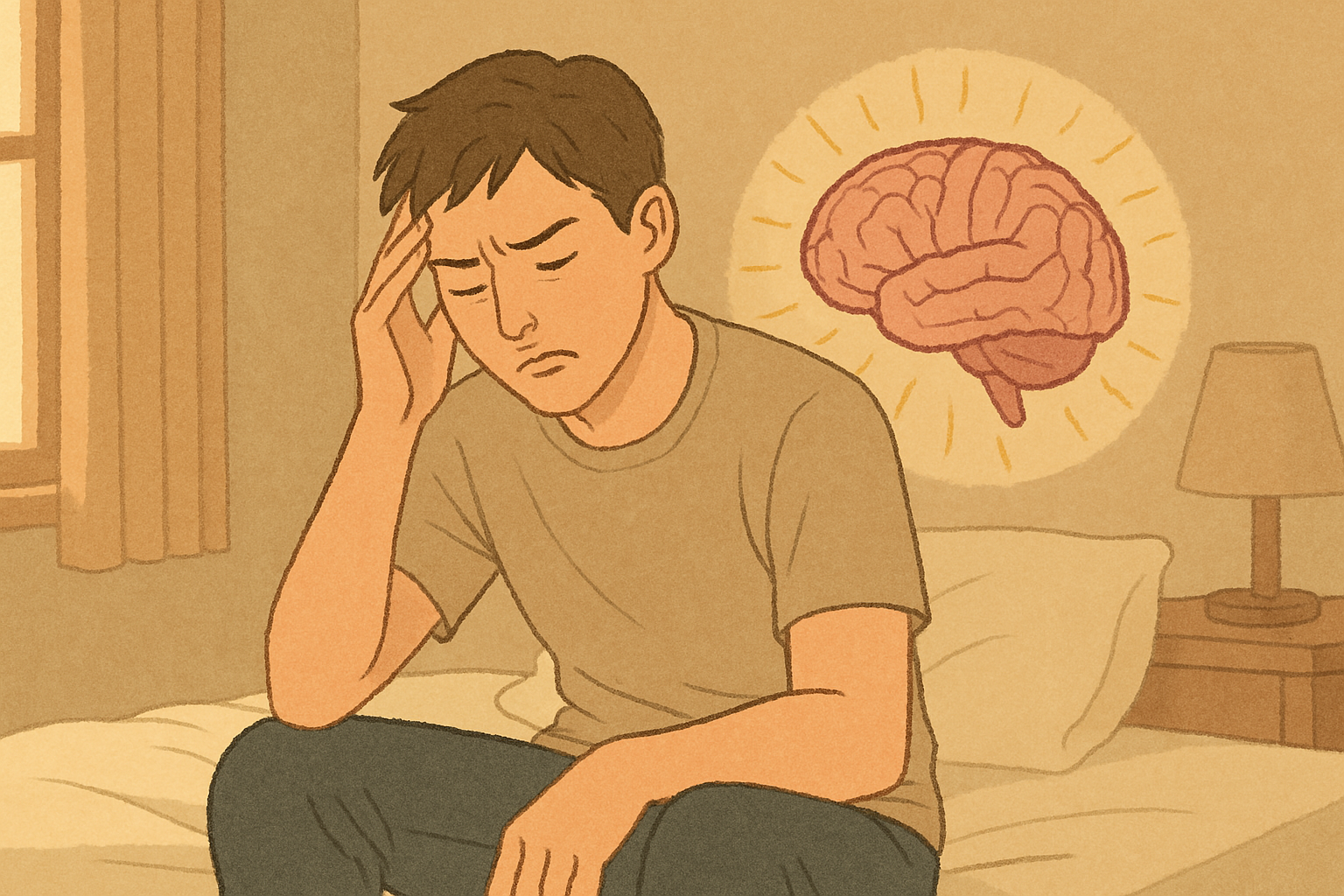
Recent scientific research suggests that fatigue is fundamentally “fatigue of the brain’s autonomic nervous system.” Fatigue in the hypothalamus and anterior cingulate cortex, autonomic centers in the brain, is especially important. These areas work continuously to sustain life and generate large amounts of reactive oxygen species. Oxidation by those species of mitochondria, the cells’ energy factories, is the underlying process of fatigue.
Social jet lag during Golden Week
“Social jet lag” is a particular concern during extended holidays. It means the difference between weekday and holiday sleep rhythms. Research in healthy adults found that, even when weekday sleep remained normal, waking three hours later only on Saturday and Sunday delayed melatonin secretion and worsened fatigue and daytime sleepiness into the first half of the next week.
Long holidays such as Golden Week can disrupt rhythms even more, making this a major cause of holiday fatigue.
Effective rest through neuroscience
The default mode network and brain rest
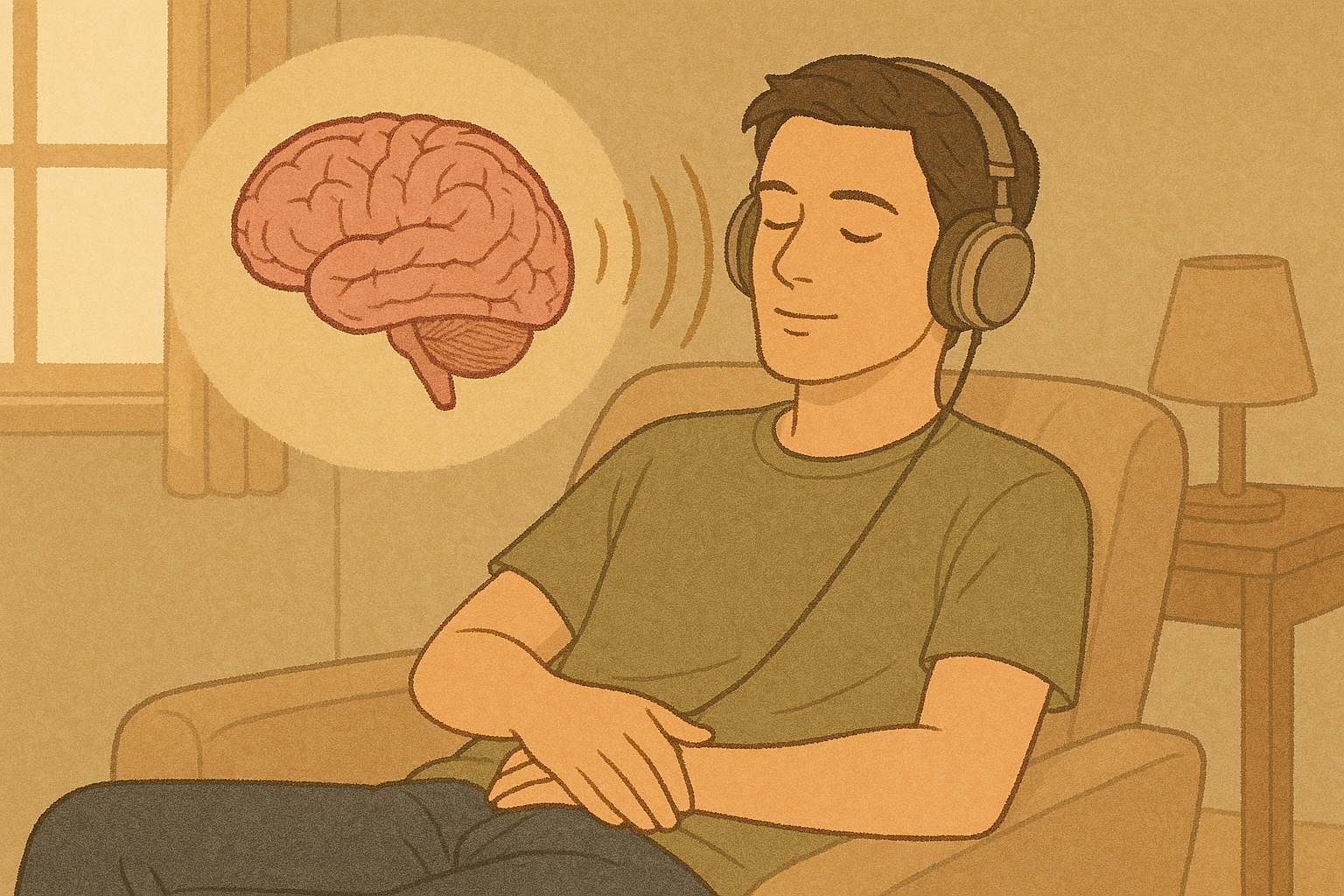
To rest the brain, activation of a neural network called the “default mode network,” or DMN, is important. It refers to neural activity that rests the brain’s deliberate thinking, information processing and judgment: a quiet state in which thoughts stop, attention is not directed anywhere and no particular interest is engaged.
This network becomes active when we are resting or quiet, rather than concentrating on the outside world or a purposeful task. Because people today constantly process something on smartphones or computers, they cannot activate DMN sufficiently and their brains do not truly rest.
Quality sleep and the brain’s recovery process
Quality sleep is the most important factor in recovering from fatigue. Recent research suggests that increased capillary blood flow in the brain during REM sleep activates exchanges such as nutrient delivery and waste removal.
During sleep, the cerebrum and autonomic nervous system are freed from daytime exertion, and proteins known as fatigue-recovery factors help the brain recover. Poor sleep quality prevents this process from working properly.
Simply “doing nothing” does not rest the brain
Many people assume that rest means resting the body, but the brain needs its own particular kind of rest. Simply lounging on a sofa or lying down while continually looking at a smartphone does not give the brain sufficient rest.
Brain fatigue differs fundamentally from physical fatigue and can accumulate unnoticed no matter how much the body rests. If it becomes chronic, performance declines across the board; in severe cases, it can develop into mental illness.
A care plan to make the most of Golden Week
Before the break: ease accumulated fatigue
Easing accumulated fatigue before Golden Week helps you make the most of the holiday. Dry head spa is particularly recommended.
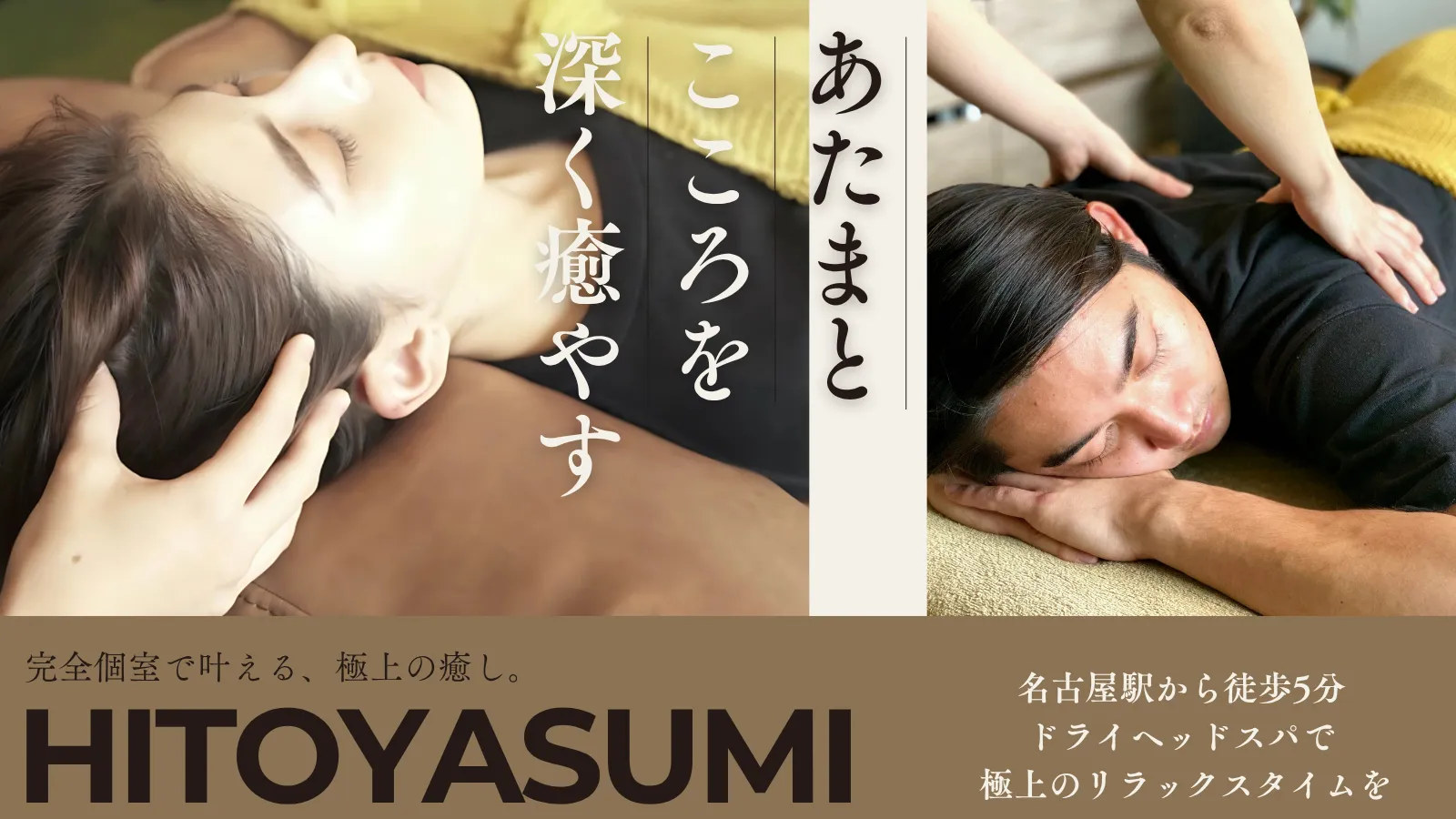
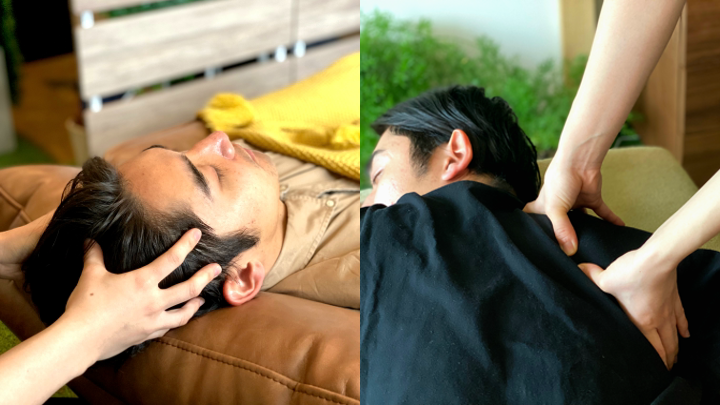
“HITOYASUMI”, five minutes on foot from Nagoya Station, offers dry head spa that loosens the scalp, neck and shoulders without wetting your hair. Even in a short 20-minute treatment, you can enter deep relaxation, followed by a curious sense of a refreshed head and face, as though the brain has reset.
Dry head spa’s effects align with neuroscientific findings. Appropriate scalp stimulation supports autonomic balance, suppressing excessive sympathetic activity that dominates during stress or tension and encouraging parasympathetic activity. This helps recovery from brain fatigue and maximizes the benefits of a holiday.
During the break: support autonomic balance
How you spend the holiday matters too. Enjoying travel and recreation to the fullest is important, but so is taking steps to maintain autonomic balance.
- Keep sleep rhythms reasonably steady
Wake at the same time every day and get morning sunlight to reset your body clock and support autonomic balance. Shifting wake time by three hours or more simply because it is a holiday disrupts the body clock and can leave you unwell afterward. - Include moderate movement
Light aerobic exercise improves circulation and helps autonomic function. Make time for manageable movement, such as walking or stretching, but finish at least 90 minutes before bed. - Deliberately make time to do nothing
Use the holiday to step away from smartphones and computers and deliberately make time to sit quietly without thinking. This activates the DMN described above and gives the brain genuine rest. - Encourage parasympathetic dominance with a bath
A five-to-ten-minute bath in lukewarm water, 38–40°C, one to two hours before bed encourages parasympathetic activity and supports good sleep.
After the holiday: care for a smooth return to everyday life
The following points matter for a smooth return after the holiday:
- How to spend the final day of the holiday
Go to bed early on the final holiday evening and prepare to wake at your normal time the next day. Returning meals to the weekday schedule also helps adjust the body clock smoothly. - Nutrition for brain-fatigue recovery
Choose foods that support recovery from brain fatigue, such as chicken breast and fish, which contain imidazole peptides. Remember to stay hydrated as well. - Reset accumulated fatigue with dry head spa
Dry head spa is especially recommended after the holiday. It resets fatigue accumulated during the break and supports a smooth transition back to everyday life.
HITOYASUMI’s Golden Week care
Dry head spa at HITOYASUMI, five minutes on foot from Nagoya Station
HITOYASUMI offers dry head spa treatments to help manage fatigue before and after Golden Week.
Our dry head spa first loosens the muscles of the arms, shoulders and neck, then works directly on the scalp with the finger pads. Starting at the extremities helps reduce risks such as anemia associated with a sudden increase in circulation around the head and is expected to promote upper-body blood flow.
When to book and how to avoid busy periods
The periods before and after Golden Week are very busy, so book early. The following dates are particularly recommended:
- Recharge before the holiday: April 25–28
- After-holiday care: May 6–10
Weekdays from noon to 3 p.m. are relatively easy to book, so consider visiting during your lunch break.
Three steps to prevent holiday fatigue
Here are three steps to get the most from Golden Week and prevent holiday fatigue:
Step 1: prepare before the break
- Reset accumulated fatigue with dry head spa
- Avoid smartphone use before bed to improve sleep quality.
- Prepare travel and other plans in advance to avoid last-minute rushing.
Step 2: during the break
- Keep wake time close to your weekday schedule.
- Set aside time to do nothing at least once each day.
- Get moderate exercise and sufficient fluids.
- Deliberately make time to relax with deep breathing or meditation.
Step 3: care after the holiday
- Go to bed early on the last holiday evening to adjust your body clock.
- Reset fatigue accumulated during the holiday with dry head spa.
- Replenish the brain’s energy with nutritionally balanced meals.
- Start work with small tasks and gradually build up your pace.
Putting these steps into practice helps you make the most of Golden Week and prevent holiday fatigue.
Conclusion: make the most of Golden Week with neuroscience-based holiday-fatigue care
An extended holiday such as Golden Week may rest the body, but recovery from brain fatigue requires a different approach. Supporting autonomic balance is particularly important, and dry head spa is one effective method.
Preventive dry head spa before the break can support autonomic balance. Combine it with appropriate habits during the holiday and follow-up care afterward to minimize holiday fatigue and maximize refreshment.
“HITOYASUMI”, five minutes on foot from Nagoya Station, offers dry head spa to support fatigue care before and after Golden Week. We invite you to try it.
How to book
Reservations are accepted through the official website or by phone.
Official website: hitoyasumi.co
At-home care
Here are simple self-care methods to help you experience dry head spa’s effects at home too.
- Fingertip massage: use the fingertips to massage the scalp gently in circles, moving from the forehead toward the back of the head for about five to ten minutes.
- Temple relaxation: gently massage the temples in circles with the finger pads. This releases facial-muscle tension and deepens relaxation.
- Neck stretching: move the neck slowly forward, backward and to both sides to ease muscle tension. Give particular attention to the back of the head and the base of the neck.
To ease April’s fatigue, enjoy a fuller Golden Week and return smoothly to daily life afterward, consider adding dry head spa to your plans. We sincerely look forward to welcoming you.