2025
Apr
05
Fewer colds, less fatigue: supporting immunity with dry head spa

Do you want to stay well in every season and become less prone to colds? In modern society, more people find that stress and irregular habits lower their immunity and leave them feeling unwell. Especially at seasonal transitions and for busy professionals, efficient ways to improve immunity are a major concern.
This article introduces the effects of “Dry head spa”, an emerging approach to health that starts with the head, and scientifically grounded tips for improving immunity. We explain how to support overall health by balancing the autonomic nervous system through care for the head, using treatments at “HITOYASUMI”, a dry head spa salon near Nagoya Station, as examples.
The close relationship between immunity and the autonomic nervous system
Immune-system basics
Immunity is the defense system that protects us from disease and keeps the body functioning normally. It has two forms: innate immunity and acquired immunity. Innate immunity is the defense we are born with; acquired immunity fights by making specific antibodies after encountering an antigen, such as a virus or another foreign substance.
White blood cells at the front line of immunity are broadly divided into granulocytes and lymphocytes. Granulocytes—neutrophils, eosinophils and basophils—mainly respond to bacteria and parasites. Lymphocytes, including T cells, B cells and NK cells, respond to viruses and provide immune memory.
In healthy people, granulocytes make up 54–60% of white blood cells and lymphocytes 35–41%. Disruption of this balance can lead to various illnesses.
Autonomic regulation of immunity
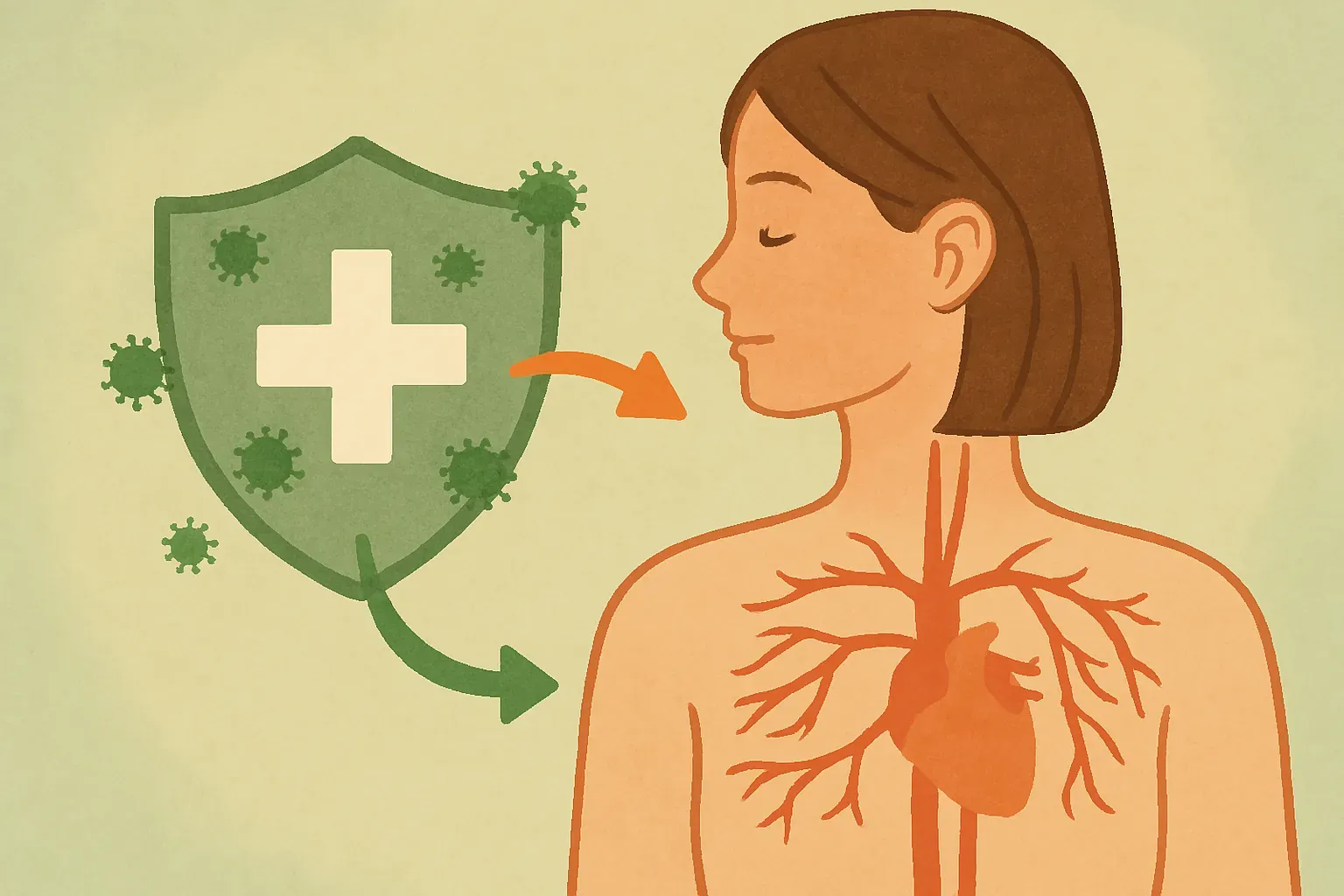
The autonomic nervous system consists of sympathetic and parasympathetic divisions, which control internal-organ activity, breathing and body temperature. Interestingly, research shows that this autonomic activity regulates immune function.
During daytime activity, when sympathetic activity dominates, the granulocyte proportion rises to respond to the higher risk of bacterial and parasitic infection. Conversely, at night or during relaxation, when parasympathetic activity dominates, the lymphocyte proportion rises and strengthens defenses against viruses.
The hypothalamus in the brain serves as the command center for this autonomic and immune coordination. Proper functioning there allows the immune system to work efficiently. This is one reason working on the head can help improve immunity.
Stress and immunity
Stress, unavoidable in modern life, strongly affects immunity. Prolonged stress extends the time spent in sympathetic dominance, raising the granulocyte proportion excessively.
Cortisol, a hormone released under stress, can also suppress NK-cell activity and interfere with communication between immune cells. In a study of first-year dental students, secretion of the immune substance IgA fell most during high-stress periods such as examinations.
These scientific findings suggest that balancing the autonomic nervous system and reducing stress to support immunity is especially important. Dry head spa is one effective approach to achieving this.
The scientific basis for improving immunity through dry head spa
Head massage and autonomic activity
Dry head spa is a scalp massage performed without shampoo. More than simple relaxation, it has a scientifically confirmed effect on autonomic balance.
A study by the Japanese Society for Complementary and Alternative Medicine, “Effects of Head Massage on Autonomic Nervous Function”, confirmed that appropriate stimulation of the head activates parasympathetic activity and balances it with sympathetic activity. Pressure and light-stroking techniques were particularly effective in activating the parasympathetic system and reducing stress.
There are also many pressure points on the head associated with autonomic regulation, and stimulating them helps restore autonomic balance. Head massage also improves blood flow throughout the body, warming the body and helping the autonomic nervous system function normally.
Relaxation and immune function
Many studies have examined massage therapy’s effects on the immune system. A University of Miami research group reported that massage increases the number and activity of natural killer, or NK, cells.
Swedish massage has also been reported to reduce TH2-type cytokines and produce anti-inflammatory effects. These effects lasted at least one week and were especially marked in the group receiving massage once a week.
Research further suggests that massage therapy reduces anxiety and is an effective relaxation and stress-management method for regulating immune function. In other words, dry head spa’s effects do more than feel good: they also contribute to improved immune function, as supported by scientific findings.
Improving immunity through better sleep quality
Dry head spa may also improve sleep quality. Relaxing a tense body and restoring autonomic balance can make good-quality sleep possible.
Sleep quality is closely linked to immunity. Immune cells are strengthened during non-REM sleep, so insufficient or poor-quality sleep directly reduces immunity.
Research identifies three risks from sleep deprivation: the risk of viral infection triples, the antibody-producing response is halved, and cortisol, a cause of immune suppression, increases. For people whose busy work and stress cause insufficient or poor-quality sleep, dry head spa is a very effective immunity-support approach.
Seasonal changes and immunity
Weather changes and autonomic function
At seasonal transitions, large changes in temperature and humidity and the resulting rapid environmental shifts make it easier to become unwell. At such times, autonomic balance is more readily disturbed and immunity tends to fall.
Take particular care in spring and autumn, when large day-to-night temperature differences make temperature regulation difficult. In winter, dryness weakens the protective mucous membranes of the nose and throat, increasing the risk of viral infection.
Immune variation through Japan’s seasons
Interestingly, summer, rather than winter, is known as the season when immunity is most likely to drop. Organisms naturally store nutrients in autumn to prepare for winter’s cold, so immunity remains highest from autumn into winter.
From spring into summer, activity increases using stored energy. Those reserves are gradually consumed, and by late summer both energy and immunity reach their lowest point of the year.
Why, then, is cold prevention emphasized particularly in winter? Besides the easier spread of viruses in dry conditions, the busy year-end and New Year period, autonomic disruption from irregular routines and increased stress are thought to play major roles.
Factors in modern life that can reduce immunity
For people today, risks to immunity involve not just temperature changes but also social and lifestyle factors. Heating and air conditioning can make it harder for the body to adapt to temperature changes, complicating health management.
Plants and animals in nature store resources and reduce activity at this time, but humans rarely do so consciously. In Japan especially, the rush toward year-end often leads naturally to overwork. More tasks must be finished before the year ends, alongside preparations such as major cleaning and shopping. Moving busily in the cold consumes substantial energy.
Thus, seasonal transitions and modern habits increase the risk of reduced immunity. Balancing the autonomic nervous system through dry head spa is an effective way to reduce these risks.
Put it into practice: specific ways to improve immunity in daily life
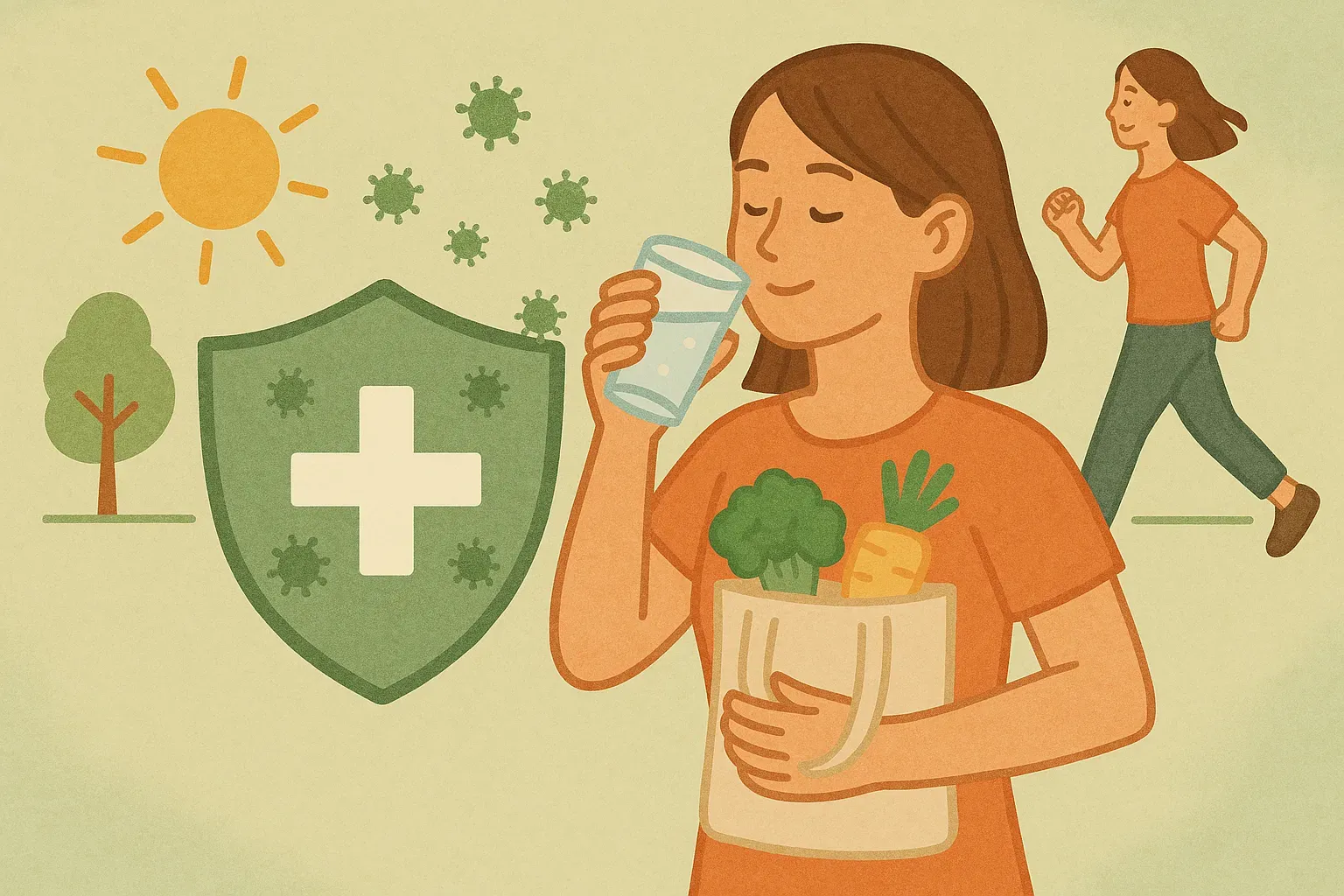
Regular, balanced meals
Regular meals are essential for improving immunity. Eating at consistent times each day regulates bodily rhythms and maintains autonomic balance, leading to improved immunity.
Make a point of getting protein, the material for immune cells, from meat, fish, eggs and soy products; vitamin A for immune regulation from deeply colored vegetables and liver; vitamin C from fruit and vegetables; vitamin E from nuts and plant oils; and minerals from seaweed and dairy products.
Supporting a healthy gut is important too. Fermented foods such as yogurt, natto and miso, along with dietary fiber from vegetables, fruit and seaweed, increase beneficial intestinal bacteria and can help improve immunity.
Quality sleep and temperature
Securing good-quality sleep is extremely important for maintaining immunity. Keep consistent bedtimes and wake times and aim for seven to eight hours. Insufficient sleep reduces immunity and raises viral-infection risk.
Temperature management also matters. It is said that a 1°C drop in body temperature reduces immunity by 30%. Cold is an enemy of immunity, so make a conscious effort to keep warm. Soaking in a bath, rather than only showering, is effective for warming the body deeply.
Moderate exercise and stress management
Even light exercise promotes circulation and relieves stress, helping immunity. Make manageable activities such as walking, jogging or yoga a habit. Ideally, exercise around 30 minutes a day, three to four times a week.
Stress is a major factor in reduced immunity. Make time for hobbies, refreshment and relaxation to release it. Adequate sleep, a balanced diet and moderate exercise are also effective for stress relief.
Healthy habits with dry head spa
Regular dry head spa promotes scalp circulation, restores autonomic balance and helps improve immunity. It is especially worth considering when fatigue is strong or the seasons are changing.
Simple self-administered head massage is possible at home too. Just gently massaging the whole scalp with the finger pads can improve circulation. Specialist salon treatment is more effective, however, so regular visits are recommended.
Practical immunity-boosting strategies for busy professionals
Introducing dry head spa at HITOYASUMI near Nagoya Station
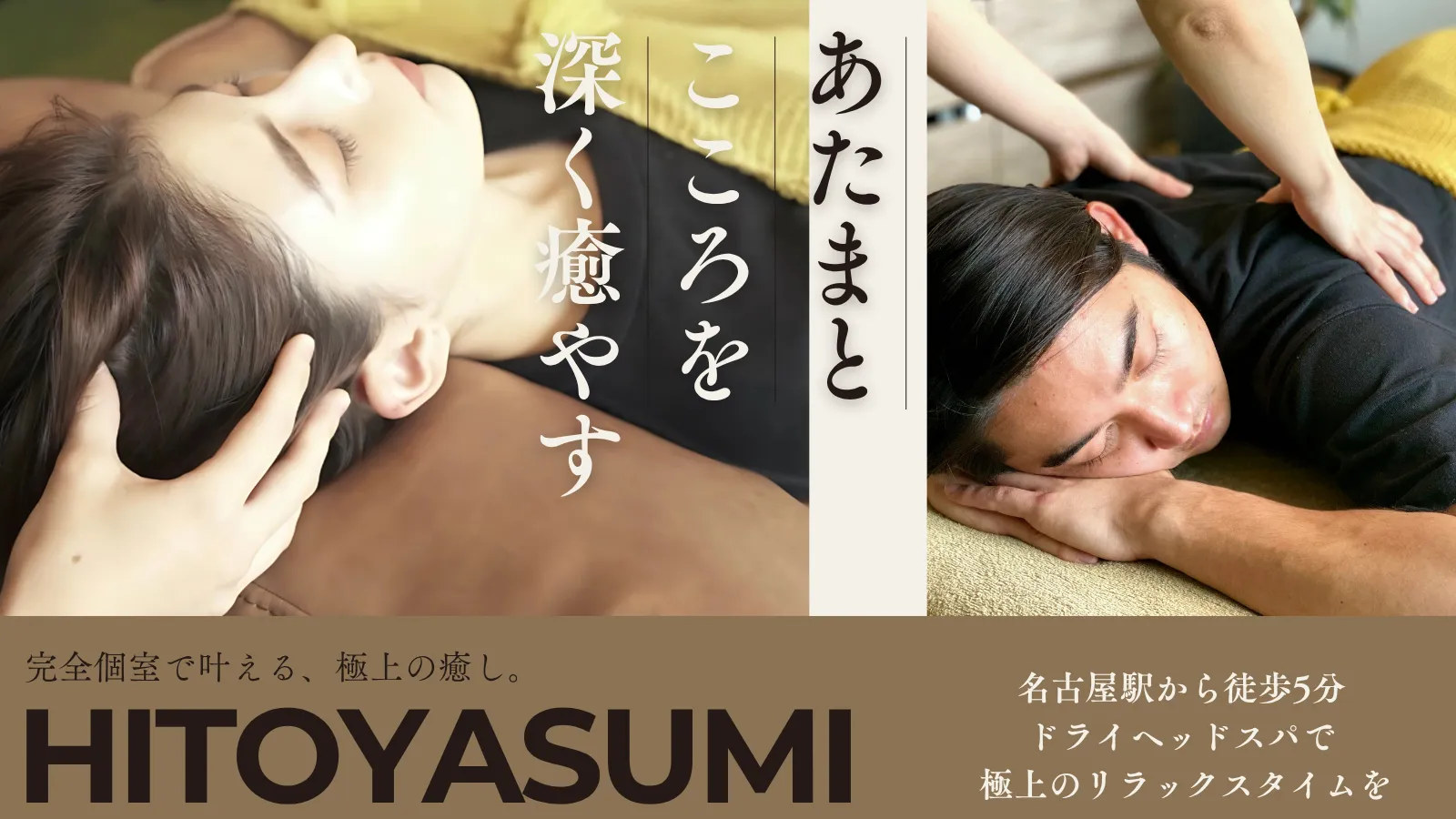
“HITOYASUMI”, in Takebashicho five minutes on foot from Nagoya Station, is a head-relaxation salon focusing on “brain fatigue”. Its luxurious dry head spa addresses visible physical fatigue such as a heavy head, tired eyes and stiff shoulders, as well as less visible fatigue such as poor sleep and bodily sluggishness.
With a balanced 5:5 male-to-female customer ratio, the salon is designed to make male visitors feel welcome too. Fully private rooms let you relax without worrying about other customers, and a change of clothes is provided so you can come straight from work. Body treatments for the shoulder blades and back are also available.
HITOYASUMI’s comprehensive approach includes the neck and shoulders as well as the head, releasing tension throughout the body and supporting autonomic balance. In particular, as a dry head spa popular among Nagoya professionals, it has gained many repeat customers.
Making a short visit effective
For busy professionals, improving immunity efficiently matters. By loosening the scalp, dry head spa immediately increases blood flow and improves scalp flexibility. Research shows that these effects can occur even in a short treatment.
In particular, salons such as HITOYASUMI that focus on brain fatigue can efficiently ease the effects of stress and cortisol that reduce immunity. First-time visitors can try a basic treatment, see how it feels, then choose one suited to their symptoms and preferences.
Self-care during work breaks
On days you cannot visit a salon, or between tasks, simple self-care also matters. Three to five minutes of easy stretching or deep breathing during desk-work breaks can help regulate autonomic balance.
Waking at a consistent morning time and eating breakfast within one hour of waking also helps regulate the body clock and maintain autonomic balance.
Remember hydration too. About 60% of the human body is water, around 80% of which is lymph fluid, or interstitial fluid. Smooth flow of this lymph fluid activates immune cells.
Frequency and scheduling
Regular visits are recommended to get the greatest benefit from dry head spa. Research shows that massage once a week can help improve immune function.
Plan visits especially during stressful periods, such as seasonal transitions or around project deadlines. If sleep quality is a concern, visiting in the period before bedtime can also enhance sleep-related benefits.
HITOYASUMI also offers plans such as first-visit discounts to support regular use. Set a suitable frequency according to your lifestyle and budget.
Conclusion: healthy days through immunity care starting at the head
Improving immunity requires attention to autonomic balance. Dry head spa is a scientifically grounded method that works from the head to support autonomic balance and help improve immunity. It offers potential benefits including better circulation, relaxation and improved sleep quality.
Especially during seasonal transitions and for professionals leading busy lives, regular dry head spa can be an efficient investment in health. Make effective use of specialist salons such as HITOYASUMI near Nagoya Station and combine them with everyday self-care to build a healthy body less troubled by colds and fatigue.
Improved immunity does not happen overnight. A comprehensive approach combining regular habits, balanced meals, moderate exercise, quality sleep and relaxation such as dry head spa is important. Build health starting with head massage, and enjoy fulfilling days.
HITOYASUMI provides customized treatments suited to each customer’s condition. If you are concerned about staying well as the seasons change or preventing colds, we invite you to try it. Start with care for the head and work toward healthier, more energetic days with fewer colds.