2024
May
11
May blues: symptoms, coping strategies and habits to avoid | HITOYASUMI near Nagoya Station

April and May bring excitement as new environments and routines begin, but also substantial stress. New employees and students, people changing departments or locations, and anyone joining a new community can find change physically and emotionally demanding.
One concern is the “May blues.” People who repeatedly overdo things or are perfectionists tend to be more susceptible. Left unaddressed, it can interfere with work, study and everyday life.
This article introduces symptoms, causes and early stress-relief measures. It also covers behaviours to avoid and relaxation at HITOYASUMI Dry Head Spa near Nagoya Station. Read on if adapting to a new life is leaving you tired.
What are the May blues?
May blues, or gogatsubyō, describes physical and mental fatigue and accumulated stress about a month after a new routine begins, causing low motivation, anxiety and sluggishness. It is often regarded medically as a form of adjustment disorder, mainly caused by unresolved stress from environmental changes until body and mind cry out.
The name reflects fatigue and stress from trying too hard in April appearing around May after Golden Week. Similar symptoms can occur at other times, but April and May are said to be the most common season.
What causes it?
A major cause is the combination of rapid environmental changes and pushing too hard, leaving stress unresolved.
- Adapting to new circumstances: An unfamiliar workplace, school or relationships keep pressure and tension high.
- High goals and expectations: April's enthusiasm to work hard can lead to overexertion and accumulated fatigue.
- The post-holiday gap: Golden Week may disrupt routine or make the shift from holiday mode to work and study difficult.
Together, these factors upset physical and emotional balance. Without deliberate rest and stress relief, fatigue can suddenly surface.

Who is more susceptible?
It can happen to anyone, but the following tendencies increase susceptibility.
- Perfectionism and meticulousness: Constant high goals and unwillingness to compromise make fatigue harder to notice.
- A strong sense of responsibility: Assigned work and roles can feel particularly pressurising.
- Difficulty saying no: Putting personal views and wishes last tends to accumulate stress.
- Difficulty with change: Taking longer to adapt to new environments or relationships increases stress.
If these sound familiar, watch carefully for your own stress signals.
Typical symptoms
Symptoms vary, but common examples include the following.
- Sluggishness and easy fatigue
Small movements feel tiring, and rest does not restore you. - Low motivation and poor focus
Difficulty engaging with work or study and finding motivation. - Sleep problems, including insomnia or oversleeping
Difficulty sleeping, inability to wake in the morning or poorer sleep quality. - Poor appetite and digestive problems
Reduced appetite, sometimes with stomach pain or nausea. - Irritability and low mood
An unsettled, persistently gloomy feeling.
If symptoms last two weeks or more, or interfere with daily life, consider early care or a medical consultation.
What if it is left unaddressed?
Although often a temporary adjustment difficulty, leaving it untreated increases these risks.
- Progression to depression: Prolonged stress may develop into serious mental health problems such as depression.
- Worsening relationships: Irritability or restlessness can lead to taking feelings out on others and strained relationships.
- Poorer work or study performance: Continued lack of focus prevents results, reduces self-esteem and creates a vicious cycle.
Do not simply assume it is fine or will pass; take suitable care and action early.
Practical measures
Start with these basic approaches.
Enough sleep and rest
Sleep is essential to recovery. Needs differ, but use around seven to eight hours as a guide and keep a regular rhythm, avoiding late nights or excessive catch-up sleep.
Maintain your daily rhythm
Sleeping in or staying up very late on days off can make you feel worse. Avoid large differences between weekdays and days off.
Review nutritional balance
Stress can reduce appetite or encourage overeating. Get sufficient protein, vitamins and minerals; simply choosing balanced meals without excessive sugar or fat supports recovery.
Talk to others
Conscientious people often carry worries alone. Speak to family, friends or colleagues. Talking organises feelings and helps prevent excessive brooding.
Recommended stress relief
Choose approaches suited to you for prevention and coping. These are especially recommended.
Sunlight
Light resets the body clock and encourages serotonin, the happiness hormone. Even a 15-minute walk in the morning or lunch break can refresh your mood.
Moderate exercise
Movement relaxes body and mind and releases stress. Choose jogging, walking, yoga or another activity you can comfortably maintain.
Refresh with a bath
A slow soak promotes circulation and loosens tension. Aim for 10–20 minutes in lukewarm water around 38–40°C for greater relaxation.
Write thoughts on paper
Rather than carrying worries in your head, writing gives an objective view, helps organise problems and releases emotions. Make your thoughts visible so you can consider responses one by one.
Habits to avoid
Some intended stress relief can be counterproductive.
Excessive drinking or overeating
Temporary distraction may increase physical discomfort, obesity or alcohol-dependence risks. Enjoy food and drink moderately.
Catch-up sleeping
Trying to make up weekday sleep at weekends can disrupt the body clock and intensify next week's fatigue. Wake as close to your usual weekday time as possible.
Self-pressuring thinking
Believing you must work harder or must not rest can further exhaust body and mind. Build self-worth and avoid guilt about resting.
A mindset for managing stress
Everyone feels some stress with a new life. What matters is managing it well rather than eliminating it entirely.
- Practise self-management: Observe physical and emotional changes objectively and bring in rest and care early.
- Do not demand perfection: Expect some mistakes and changes and respond flexibly.
- Ask for help: Do not carry everything alone; consult trusted people or specialists.
- Schedule relaxation regularly: Build stress-releasing habits such as hobbies, gentle exercise or massage.
Refresh at HITOYASUMI Dry Head Spa near Nagoya Station
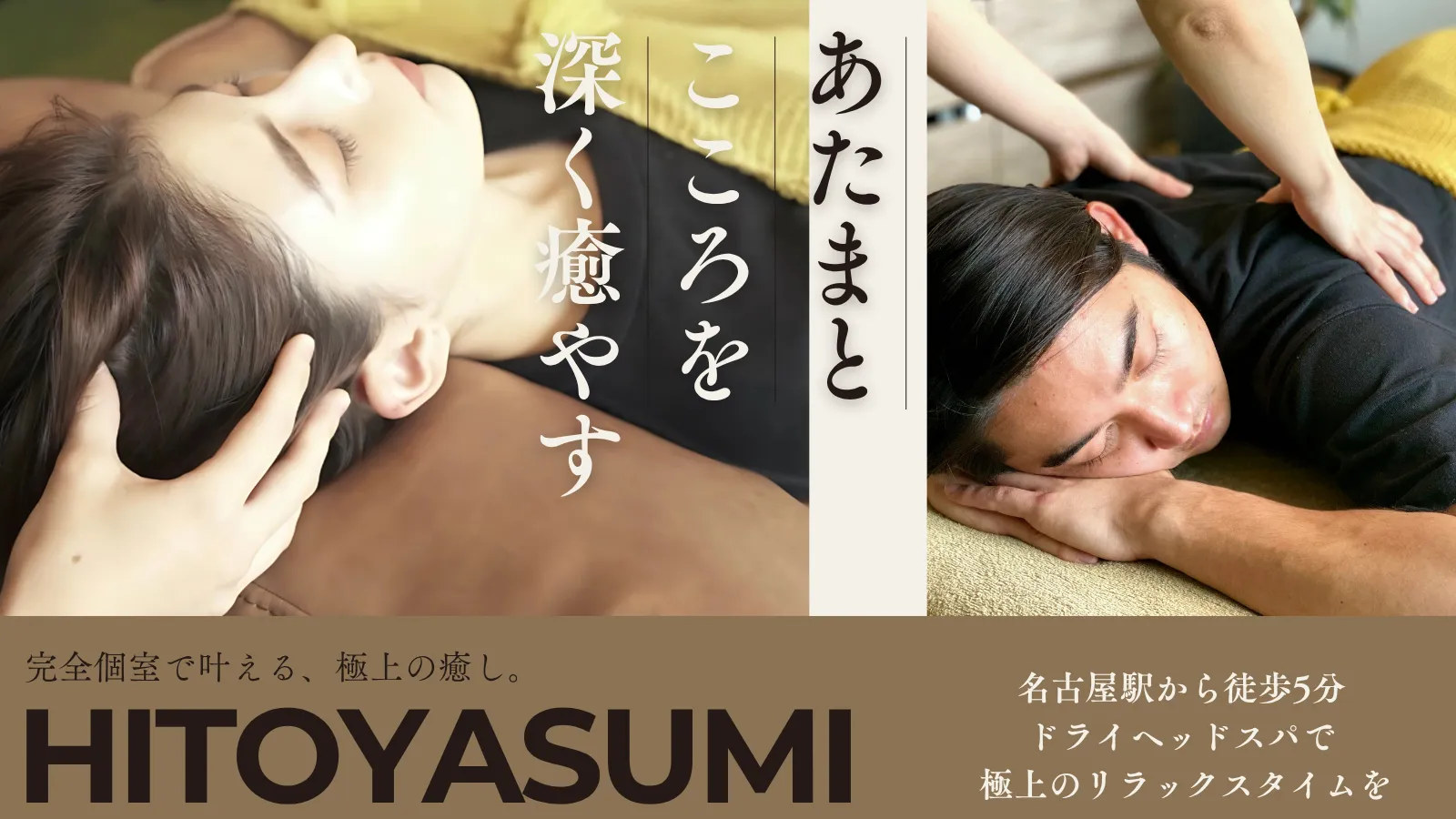
If the May blues bring stress or fatigue, consider a dry head spa to refresh your head and mind. HITOYASUMI works mainly on the head, neck and shoulders to encourage circulation and autonomic balance.
What is a dry head spa?
It loosens the scalp without water or oil. The head has many pressure points; concentrated care offers deep relaxation for people prone to modern stress and fatigue.
Potential benefits
- Less stress: loosening scalp, neck and shoulder tension guides the brain and autonomic system towards relaxation.
- Better sleep quality: deep relaxation supports easier sleep onset and a more rested feeling.
- Less eye fatigue: especially suited to strain from long computer or phone use.
HITOYASUMI's features
- Excellent access: near Nagoya Station, convenient after work or between errands.
- Professional treatment staff: staff with national qualifications or specialist knowledge tailor care individually.
- A calm space: white and wooden tones create time away from everyday stress.
Final thoughts
May blues is physical and emotional discomfort often experienced around a new school or business year. Its main causes are accumulated stress from sudden environmental change and pushing too hard. Perfectionists and those with strong responsibility should take particular care.
Symptoms include sluggishness, poor focus, insomnia, appetite loss, irritability and low mood. Left unaddressed, it can lead to serious mental health issues. Get enough sleep and rest, release stress through moderate exercise or bathing, and avoid overeating, excessive drinking and catch-up sleeping.
Stress management also benefits from outside support. Professional treatment such as HITOYASUMI loosens head tension, refreshes body and mind and helps prevent or improve May blues.
Even if temporary, early action is best. Value your body and mind and enjoy the unique experiences of your new life by including appropriate care.
HITOYASUMI Dry Head Spa near Nagoya Station | Book here
Online reservations are accepted through this link.
Click to open the booking site.