2024
Sep
01
Hidden sleep debt: risks, remedies and a check on your own sleep

Japan is known for short sleep durations. An OECD survey in 2021 put average sleep in Japan at seven hours and 22 minutes, the lowest among 33 member countries.
But did you know that everyday life can conceal an even more overlooked issue: hidden sleep debt? Sleep shortages that accumulate unnoticed can significantly affect both body and mind.
This article looks closely at the risks of hidden sleep debt and ways to address it.
First, check how you are sleeping now.
Sleep duration and sleep debt in Japan
People in Japan tend to sleep less than those in other developed countries. The OECD survey found that in 2021, average sleep in Japan was just seven hours and 22 minutes, the lowest among 33 countries. Compare that figure with your own sleeping time.
Many readers may find they sleep even less than this average.
Busy daily lives and stress can lead us to cut sleep without noticing, leaving us likely to accumulate sleep debt.
What is sleep debt?
Sleep debt refers to accumulated chronic sleep deprivation whose effects show up in the mind and body. The health ministry's 2019 National Health and Nutrition Survey found that around half of men in their 30s–50s and women in their 40s–50s slept less than six hours. Work, housework, childcare and the stresses of digital life make sufficient sleep difficult, leaving many people in debt.
What hidden sleep debt is and why it matters
A particularly troublesome form of sleep debt is hidden sleep debt. This means small, barely noticeable shortages accumulating over time. Modern habits, such as remote working and using smartphones before bed, can reduce sleep quality, stimulate the brain and make falling asleep harder. Sleep then becomes lighter, awakenings more frequent and sufficient rest harder to secure.
As hidden sleep debt builds up, fatigue accumulates in the brain and body, increasing the risk of physical discomfort and lifestyle-related disease. It can also reduce judgement, memory and attention, potentially affecting daily life and work. Tolerance for stress may fall as well. Hidden sleep debt can therefore have a substantial physical and emotional impact.
How to check whether you are getting enough sleep
Use the checklist below to see whether you may have hidden sleep debt. Add up the points for each item that applies.
• Sleeping at least two hours longer on days off than on workdays: 3 points
• Finding yourself dozing off on trains or the sofa: 1 point
• Falling asleep within minutes of getting into bed: 1 point
• Finding waking difficult and not feeling refreshed: 1 point
• Feeling sleepy during the morning: 1 point
• Being unable to wake without an alarm: 1 point
• Going to sleep at different times on three or more days each week: 1 point
Use your total to assess your current sleep debt.
• 9 points — close to bankruptcy: too much sleep debt has accumulated. Take action promptly.
• 6 points or more — sleep debt: your brain and body are tired. Acting to improve sleep is important.
• 3 points or more — a strong possibility: you may have unnoticed sleep debt. If items 5 and 7 apply especially, review your sleeping environment now.
• 1 point or more — at risk: your pattern is mostly good, but take care during busy periods.
• 0 points — ideal: you are getting enough sleep. Maintain your current pattern.
Three ways to address sleep debt
If your checklist suggests sleep debt, aim to reduce it with the following approaches.
1. Catch up sensibly at weekends
Sleeping in too late at weekends can disrupt the body clock and make you feel worse. Try to keep weekend waking times within two hours of your weekday time, allowing you to reduce debt while maintaining your rhythm.
2. Use naps appropriately
An ideal nap is around 15–30 minutes. Even on days off, keep naps within two hours and take them between noon and 3 p.m. Avoid napping after 3 p.m., as it may affect sleep at night.
3. Reduce it gradually through your everyday sleep
Going to bed an hour earlier is ideal. If that is difficult, try going to bed 30 minutes earlier and getting up 30 minutes later. This can gradually reduce your sleep debt.
Habits to watch for better sleep quality
As well as addressing sleep debt, reviewing everyday habits can improve sleep quality. Pay attention to these points.
• Stop using your phone in bed: smartphone use before sleep stimulates the brain and makes falling asleep harder. Avoid it as much as possible.
• Finish eating and bathing two hours before bedtime: avoid interfering with digestion and temperature regulation.
• Do not rely on alcohol to fall asleep: alcohol may temporarily cause drowsiness, but can reduce sleep quality.
Improve sleep quality with support from HITOYASUMI
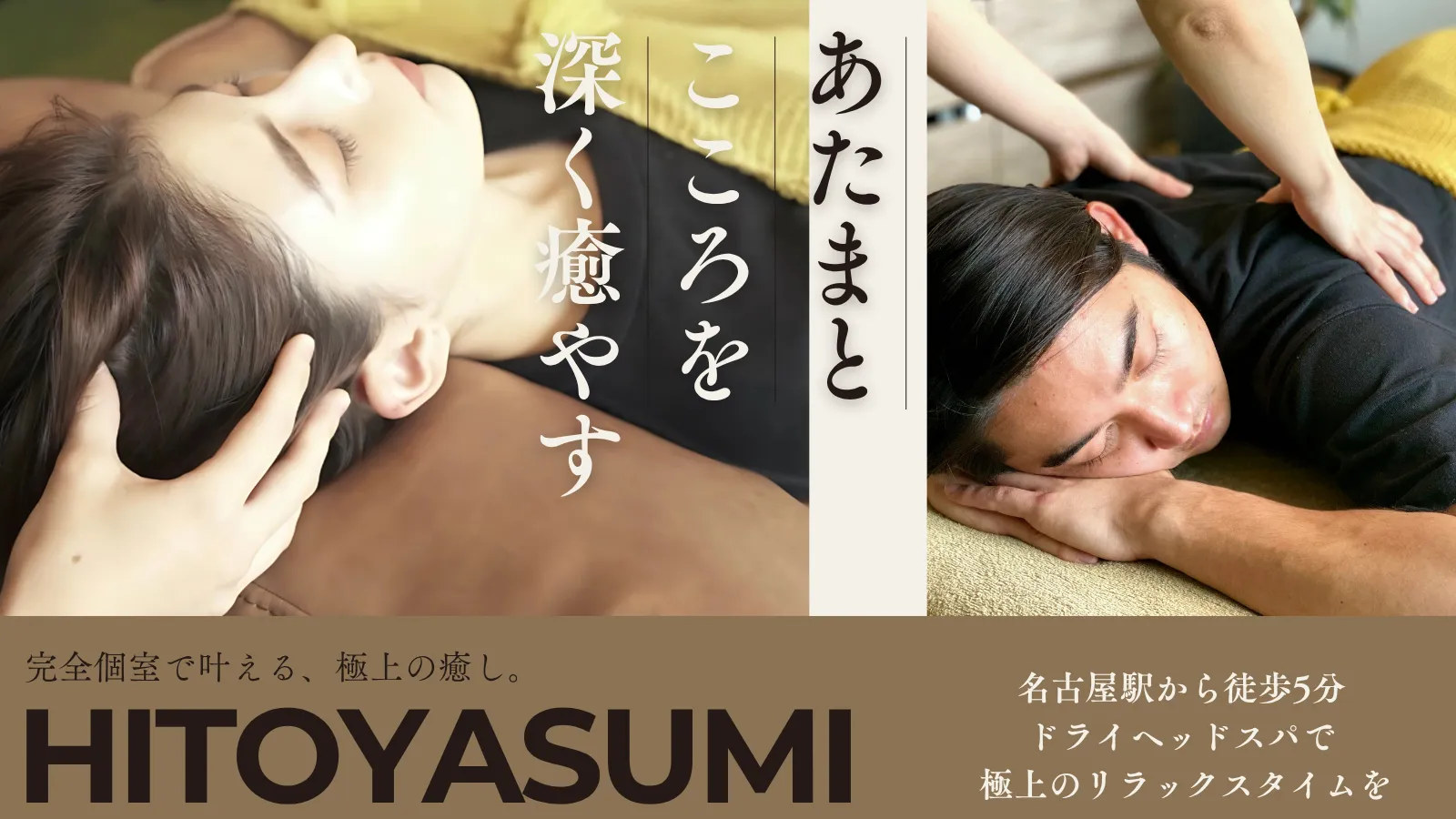
HITOYASUMI offers dry head spa and body care treatments to support better sleep. By enhancing relaxation and soothing everyday fatigue, these treatments help you sleep better.
If sleep debt or discomfort is troubling you, speak to HITOYASUMI.
Enjoy professional care as a step towards good-quality sleep and a healthy life.
HITOYASUMI Dry Head Spa near Nagoya Station | Book here
Online reservations are accepted through this link.
Click to open the booking site.